You Can See Everything (2026): A Three-Year Descent Into Abyss
A spoiler-free first look at the 2026 documentary You Can See Everything, following Elizabeth Holmes before prison.
October 21, 2026
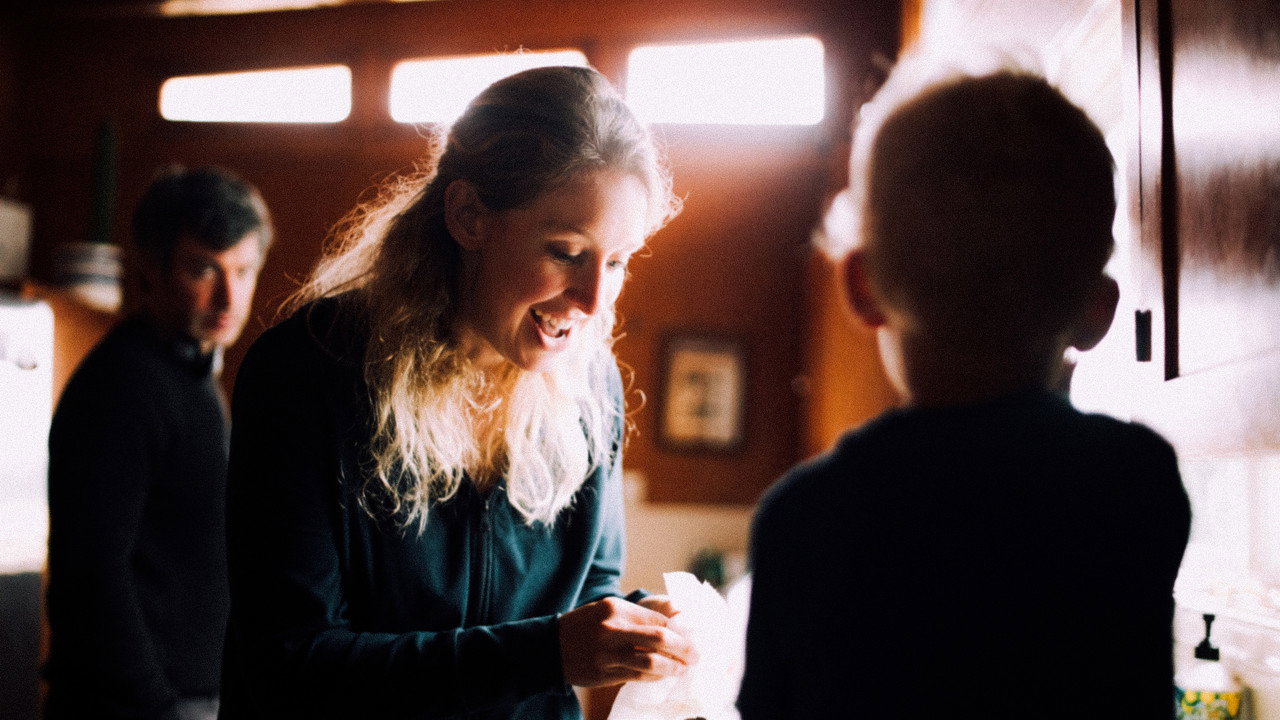
A Spoiler-Free First Look
Streaming platforms often dump hours of content on us without context, but this new release invites a different kind of attention. Nathan Fielder, known for awkward observational comedy, steps behind the camera for a 174-minute documentary feature that follows one of Silicon Valley's most infamous figures. The project carries a near-perfect early score of 8.958 out of 10 from a small pool of voters, signaling that patient viewers have found something special.
For anyone hesitant about commitments, our coverage acts as a You Can See Everything first look guide that sketches the boundaries without crossing them. We will not reveal the three-year arc or the surprising turns that the film reportedly takes. Instead, think of this as a friendly briefing from a fellow streamer who wants you to press play informed.
The director's background in provocative television prepares him to document a figure who famously blurred truth and performance. While the finished work is labeled a documentary, it plays with the form in ways that may remind viewers of staged reality. Still, the core subject remains a real person facing real consequences, which keeps the project anchored.
The Premise
Thirty-four days before a prison sentence begins, Elizabeth Holmes—the disgraced business woman who built and then shattered a biotech illusion—welcomes a skeptical crew into her life. The setup promises an intimate portrait of an enigmatic felon, yet the cameras keep rolling far beyond the initial month. What starts as a countdown becomes a mind-bending three-year journey through multiple states and personal transitions.
The narrative threads together locations like San Diego, California, Texas, New York City, Los Angeles, California, and the Silicon Valley hub itself. A husband wife relationship enters the frame, as does the presence of Billy Evans and other figures from Holmes's inner circle. Amanda Seyfried and Christopher Abbott appear alongside documentary filmmaker Lance Oppenheim, though the line between reenactment and reality stays deliberately blurred. This You Can See Everything documentary feature uses meta techniques to question what we are actually watching.
Themes of voyeurism and meta storytelling are not afterthoughts; they shape every scene. By including reenactment sequences, the crew questions the reliability of memory and confession alike. This approach separates the film from a standard biography and turns the camera into a character.
If you enjoyed character-driven biographies like Pamela, A Love Story, you will recognize the urge to let a controversial person speak for herself under careful observation.
Tone, Style and Pace
Fielder's signature discomfort permeates the footage. The voyeurism is constant; we watch a disgraced entrepreneur navigate everyday moments while the lens never blinks. Because the edit spans three years, the rhythm shifts from tense anticipation to mundane waiting, then to something stranger. Themes of reenactment and meta commentary turn the screen into a hall of mirrors.
During the intro, the narrator poses the question is You Can See Everything scary to set mood, and the answer depends on your tolerance for psychological unease rather than jump scares. The film is less horror and more slow-creeping fascination, the kind that makes you check your own assumptions about truth. Christian Rasmus Holmes IV and Noel Anne surface in the cast list, adding to the layered family textures.
Students of surveillance cinema should pair this with We Live in Public, a earlier documentary that also probes how cameras change the people they capture.
Should You Start It?
The first thing to know is that this is a long sit. At 174 minutes, the runtime demands a comfortable sofa and a willingness to let scenes breathe. However, the documentary respects intelligent viewers by refusing to spoon-feed conclusions. If you appreciate a slow burn that trusts your interpretive skills, the opening minutes will hook you.
Families with younger viewers may want guidance. We prepared a You Can See Everything parents guide document that notes mature thematic content, including criminal fallout and adult relationships. The presence of a husband wife relationship and candid moments means discretion is advised for teenage audiences, but there is no graphic exploitation.
Another title that explores tricky real-life subcultures is Orgasm Inc: The Story of OneTaste, which similarly balances observation with ethical questions.
Is You Can See Everything Worth Your Time?
With so many short-form options available, investing three hours in a single film is a practical decision. The early rating of 8.958/10 suggests the gamble pays off for those who enjoy biography mixed with experimental form. The journey from Silicon Valley boardrooms to quiet Texas intervals offers a spectrum of American life that few docs attempt.
A proper You Can See Everything spoiler free recap would stop here, because the joy is in discovering how the crew's relationship with Holmes evolves. The meta layer means you are not just watching a disgraced founder; you are watching a film about watching her. That self-awareness elevates the runtime from endurance test to genuine event.
You Can See Everything Summary
To sum up, Nathan Fielder's 2026 documentary compiles an unusual assignment into a sprawling meditation on image and consequence. Elizabeth Holmes, Billy Evans, Amanda Seyfried, Christopher Abbott, and Lance Oppenheim populate a story that begins with a prison countdown and ends somewhere uncharted. Themes of voyeurism, reenactment, and biography intertwine across California, Texas, and New York City.
If you have read this far, you now have a grounded sense of the premise, tone, and time investment. The film is a You Can See Everything documentary work that rewards patience rather than channel-surfing. Whether you stream it tonight or save it for a weekend, the experience is built to linger after the credits roll.