The View (1997): A Daytime Conversation Machine
A spoiler-free look at The View, the ABC daytime talk show where hosts discuss the day's hot topics, interview celebrities and welcome field experts.
October 19, 2026
A Spoiler-Free First Look
Not everything on a streaming menu is built to make you glance over your shoulder. Take the ABC morning talk show The View, a daytime fixture that has been on the air since 1997. If your usual tastes run toward horror and thrillers, this is a different kind of watch altogether — a room full of hosts trading opinions about the news while the coffee flows. Plot twists are not part of the job description, so the view spoiler free promise is an easy one to keep. Most the view first look articles arrive at the same observation: this show lives or dies on conversation, not suspense.
Some visitors land on this page fully expecting a fright, probably after typing is the view scary into a search bar. The honest answer is that nothing here is remotely frightening. The only tension on offer is the human kind — how sharply a panel of strong-willed hosts can disagree before the next commercial break.
So consider this a beginner's tour. No spoiled clips, no dissected episodes, just the premise, the personalities, the tone, and a straight answer about whether the series respects your time.
The Premise
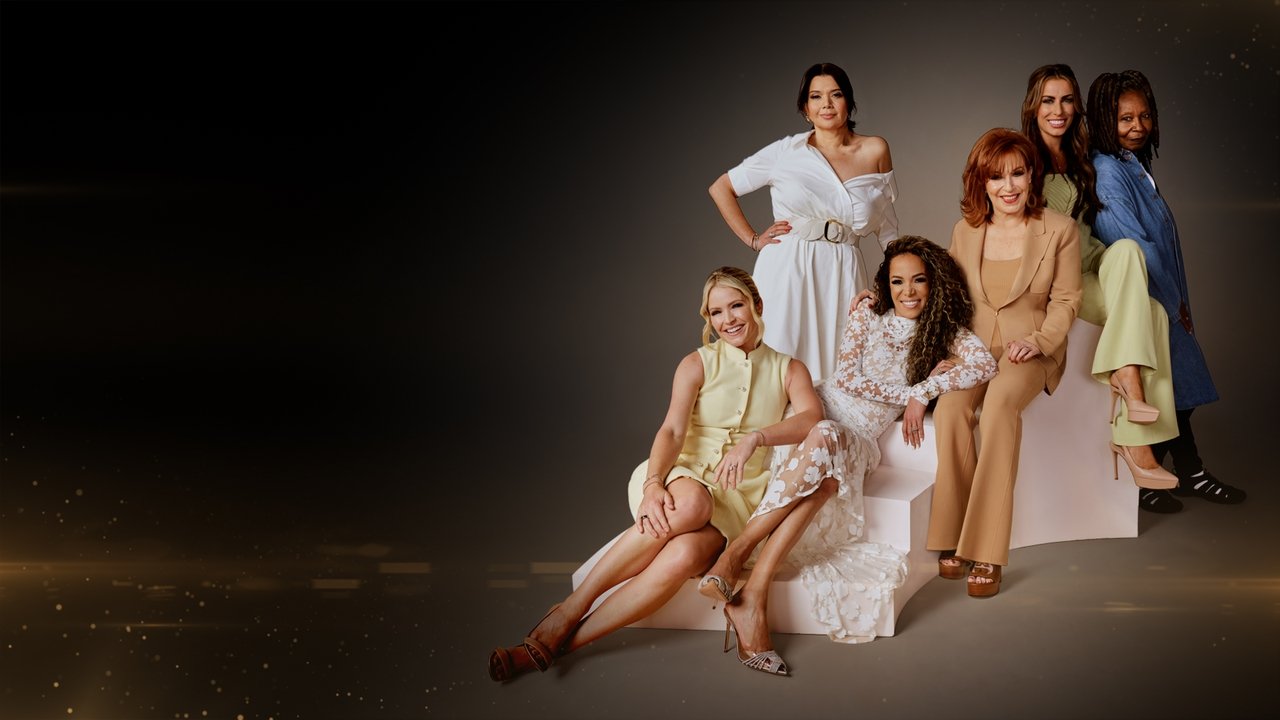
The format is refreshingly simple. Each broadcast gathers Whoopi Goldberg, Joy Behar, Sunny Hostin, Sara Haines, Alyssa Farah Griffin, and Ana Navarro to discuss the most exciting events of the day. Hot news topics set the agenda, with experts from the relevant field brought in to explain the story behind the headline. Celebrity interviews appear whenever a guest has a project to promote, while lighter entertainment segments round things out so the show can breathe between the heavier arguments.
There is no pilot episode to hunt down and no serialized mythology to memorize. Every broadcast stands alone, which makes the program feel closer to a morning newspaper than to a novel — something consumed fresh, argued about at the office, then replaced by tomorrow's edition. That daily rhythm is both the appeal and the commitment, and it shapes how any newcomer should approach it.
If you enjoy watching people talk for a living — really talk, interrupt, doubt themselves out loud, and change their minds — this setup will feel instantly familiar. It is the same DNA that has powered televised panel conversation for decades.
Tone, Style and Pace
Picture a very loud kitchen table. Segments whip from politics to pop culture in a matter of minutes, the hosts finish one another's sentences after years of sharing the same chairs, and the whole broadcast moves with the urgency of a group chat that happens to be televised. The pace is brisk by design, aimed at viewers getting ready for the day rather than settling in for a binge.
That said, the tone has evolved, and longtime viewers have strong feelings about it. There was a stretch in which fans of Goldberg's earlier work — the warm, quick-witted comic presence that defined a lot of eighties viewing — felt the program grew angrier and more confrontational, quick to punish anyone who disagreed with the panel. One common lament is that guests lost the rope they once had to ramble, unlike an earlier era when a visit from a storyteller such as Norm MacDonald could wander pleasantly and entertain precisely because nothing got resolved. Then again, plenty of viewers tune in for exactly that friction; a gentler, politer version would bore them.
The public score attached to the series, 4.3 out of 10 across roughly a hundred votes, reads like a mirror of that divide. With a sample that small, it says less about objective quality and more about how fiercely this particular panel splits its audience.
If the older, looser style of televised conversation appeals to you more, The Dick Cavett Show is a wonderful counterweight — one host, one guest, and no need for anyone to win an argument.
Should You Start It?
Here is the good news: there is no wrong door. Because each episode is assembled around the day's events, almost any broadcast will teach you who these hosts are and how they bounce off one another. Most the view episode guide searches end the same way — buried under decades of morning television, people abandon the idea of starting at the beginning and simply choose whatever is current. That instinct is correct.
As for the view parents guide worries, they are easy enough to settle. The content is conversation rather than spectacle — no jump scares, no graphic imagery, just adults talking about adult subjects. Debates can turn pointed, particularly around politics, so households with younger viewers may want to sample a single morning before making the show a habit.
If you would rather ease into daytime chat with the volume turned down, The Terry and Gaby Show and Angela and Friends both keep the friendly panel format while dialing back the combat.
Should You Press Play on The View?
Press play on a single episode — not as a commitment, but as a test drive. One broadcast tells you everything you need to know. If the back-and-forth energizes you, you have stumbled into a weekday habit that costs you nothing but a morning slot. If the arguing wears you out, you have spent twenty minutes and learned something useful about your own taste.
The show respects your time the way all good conversation does: it asks for attention, not homework. Whether you stick around depends entirely on how much of the news cycle you want delivered at full volume before breakfast.
The View Key Details
- Title: The View (1997)
- Genre: Talk
- Format: ABC Daytime morning panel show
- Hosts: Whoopi Goldberg, Joy Behar, Sunny Hostin, Sara Haines, Alyssa Farah Griffin, Ana Navarro
- Content: Hot news topics, expert guests, celebrity interviews, general entertainment
- Audience score: 4.3/10 from 115 votes