The Simpsons (1989): A Pop Culture Satire Icon
A spoiler-free guide to The Simpsons (1989), the satirical animated comedy about Springfield's Simpson family and its pop culture impact.
October 17, 2026
A Spoiler-Free First Look
Starting a long-running animated series can feel intimidating, especially when everyone around you has quoted it for decades. If you want a gentle The Simpsons first look without diving into endless back catalogues, this guide lays out what newcomers can expect from the show’s world and rhythm. We focus on the early identity of the program, the kind of comedy it offers, and whether it will reward the hours you invest.
Throughout this article we keep everything The Simpsons spoiler free. You will not read about specific storyline turns or character exits. Instead, the goal is to help you decide if the tone matches your taste before you press play on the streaming platform.
The series arrives from the late eighties as a half-hour cartoon built around a recognizable household. It mixes silly visual gags with sharper commentary, a balance that helped it stand out from typical kids’ programming. Even without prior knowledge, the format is easy to grasp because each installment presents a self-contained day in the life of the residents.
The Premise
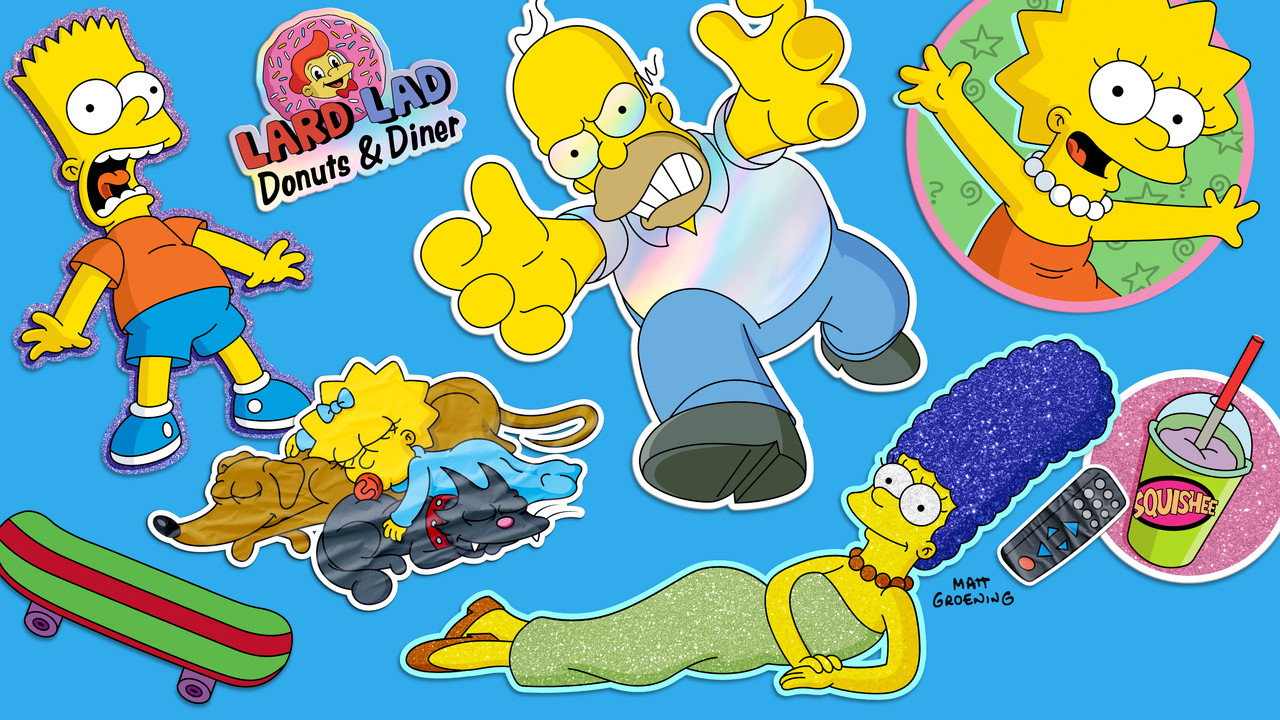
The yellow-skinned family entered living rooms with The Simpsons 1989 premiere. The setting is Springfield, an ordinary American town that serves as a microcosm for broader society. At the center are Homer, Marge, Bart, Lisa, and Maggie, whose everyday adventures form the backbone of the narrative.
Homer works at a nuclear power plant, a detail that fuels both workplace comedy and environmental satire. Marge holds the family together while navigating the chaos of domestic life. Bart is the mischievous son whose antics at school create recurring friction, and Lisa is the thoughtful daughter whose intellect often highlights the absurdity around her. Maggie, the baby, communicates through gestures and occasional surprises.
Beyond the immediate household, the show populates Springfield with a virtual cast of thousands. Neighbors, officials, and celebrities appear to flesh out a world that feels both familiar and exaggerated. The writing uses this large ensemble to deliver parody of media, politics, and middle-class habits. Themes of family conflict and social satire weave through the episodes, making the program more than a simple cartoon.
Viewers who enjoy sharp animated satire might also appreciate MAD, a later show that likewise parodies pop culture with quick-sketch humor. While the tone differs, the willingness to poke fun at contemporary trends connects the two.
Tone, Style and Pace
The visual style is deliberately flat and bright, using a limited palette that became iconic. Comedy ranges from physical slapstick to dense verbal jokes, and the pacing of a standard episode moves quickly between scenes. The initial hesitation, is The Simpsons scary, usually fades once the humor becomes clear, because the series favors laughter over fright.
Adult humor sits alongside child-friendly animation, a combination that defined adult animation as a category. References to bureaucracy, consumer culture, and television itself appear regularly. The tagline describes the family as “just a product of society that’s lost its good manners,” which captures the cheeky perspective. Social satire never overwhelms the storytelling, but it gives the nonsense a pointed edge.
Episodes tend to be brisk, with setups that resolve inside a single installment. That structure respects the viewer’s time, letting you sample the show without committing to a sprawling arc. The fearless take on American life means some jokes target politics or media, yet the approach stays playful rather than lecture-heavy.
Fans of family-centered animated sitcoms could also try Bless the Harts, which shares a similar affection for flawed characters and small-town absurdity. It offers a different voice but echoes the tradition of using cartoon families to reflect real-world quirks.
Should You Start It?
The viewing decision, The Simpsons parents guide suggests, should account for occasional mature references amid the broader comedy. Younger kids may miss layered jokes while older viewers catch the irony, and the adult animation label sets expectations for mixed-age households.
New viewers will find that the program respects their schedule. You can watch a single chapter and walk away satisfied, or binge several to see recurring patterns. The dysfunction of the Simpson household is presented affectionately, making the conflict more comforting than stressful.
Because the comedy is established early, there is little prerequisite knowledge needed. The writing assumes you recognize basic American archetypes, but it explains nothing through exposition dumps. That light touch makes starting the series low-pressure.
Those who like 90s sitcom vibes may enjoy Smart Guy, a live-action family comedy with a different format but a comparable warmth toward gifted kids and everyday struggles. It can be a nice palette cleanser between animated outings.
Our Rating for The Simpsons
Based on aggregated community feedback, the title holds a score of 8.024 out of 10 across 11,075 votes. That figure reflects enduring affection rather than novelty alone. While individual episodes vary, the overall body of work earns a strong recommendation for anyone curious about influential animation.
We would place it among the essential viewing for students of pop culture, not because it is flawless but because its template shaped countless successors. The combination of satire, heart, and repeatable characters justifies the high mark, and the show remains a touchstone for discussing media parody.
The Simpsons Cheat Sheet
For quick reference, here are the core details:
- Title: The Simpsons (1989)
- Genres: Animation, Comedy
- Main cast: Dan Castellaneta, Julie Kavner, Nancy Cartwright, Yeardley Smith, Hank Azaria, Harry Shearer
- Tagline: Just a product of society that's lost its good manners.
- Themes: nuclear power plant, middle class, cartoon, satire, parody, dysfunctional family, school, adult humor, social satire, family, family conflict, adult animation
The above snapshot should help you decide if the show fits your queue. With a spoiler-free mindset and an open ear for parody, the Springfield community welcomes new visitors who appreciate comedy that respects their time.