The Late Late Show with Craig Ferguson (2005): Still Worth It
A spoiler-free guide to The Late Late Show with Craig Ferguson, covering the premise, tone, and whether this Peabody-winning CBS talk show is worth your time.
October 20, 2026
A Spoiler-Free First Look
We are keeping this late late show first look deliberately light on specifics. Nothing here reveals guest surprises, punchlines, or the emotional beats that made particular episodes land. Instead, we will talk about what the show is, who made it, and whether it is worth your time when you finally press play.
Consider this a late late show spoiler free guide to a program many have heard of but never actually watched. Talk shows are often judged by their highlights, and clips circulate online stripped of context, which can be misleading. Letting the show speak for itself is the only honest way to judge a nightly program.
The Premise
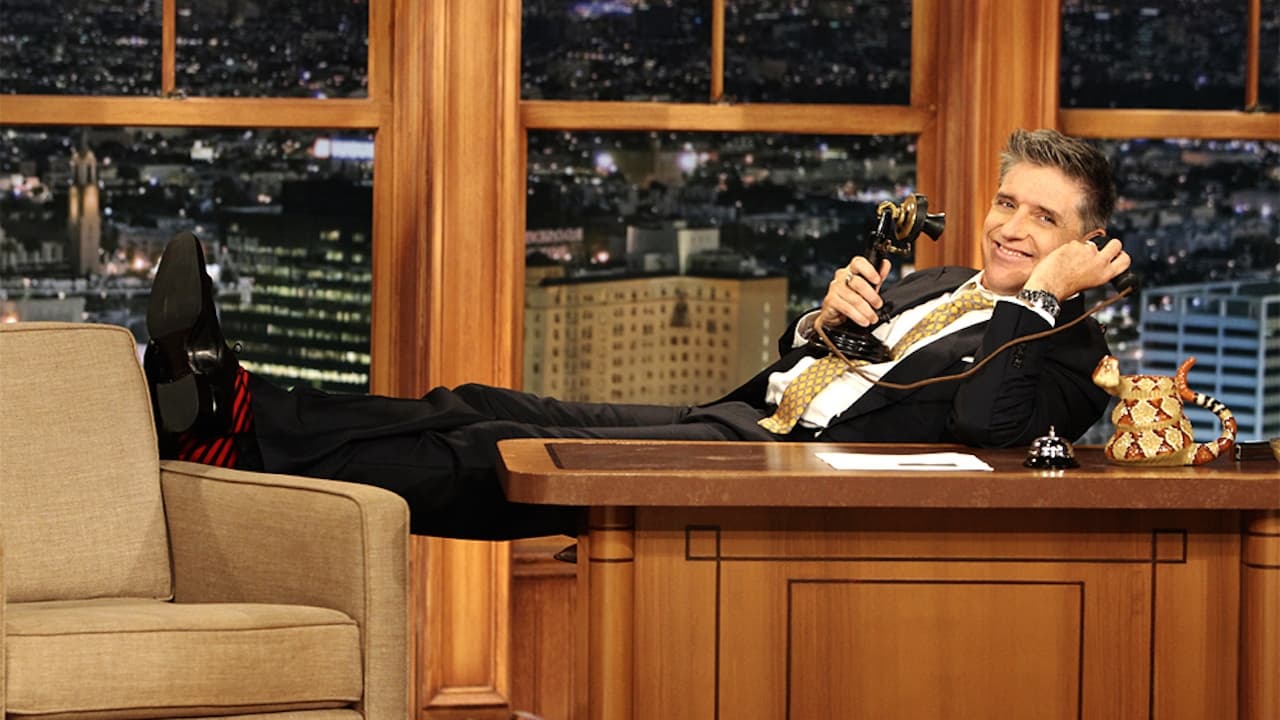
At its core, this is a traditional American late-night talk show. It aired weekdays on CBS at 12:37 a.m., tucked directly behind the Late Show with David Letterman in the overnight lineup. Episodes were taped in front of a live studio audience at CBS Television City in Los Angeles, directly above the Bob Barker Studio. That scheduling relationship explains a great deal about the show's DNA.
If you have been typing late late show craig ferguson 2005 into a search bar, you are probably after the run that started once he took over from Craig Kilborn and Tom Snyder. Craig Ferguson, a Scottish American comedian, became the third regular host of the Late Late Show franchise on January 3, 2005, inheriting a program that had launched in 1995. Under Ferguson, the show posted the highest ratings since its inception.
The program came from David Letterman's production company Worldwide Pants Incorporated, in association with CBS Television Studios. For viewers who only know the show through scattered clips, that lineage situates it inside a specific tradition of American late-night comedy rather than floating free of it.
Tone, Style and Pace
The majority of episodes are built on comedy, and Ferguson brought a loose, conversational energy that did not always follow the standard late-night playbook. Yet the program was not content to stay in one gear. Over the years, Ferguson used his platform to address difficult personal subject matter, including the deaths of his parents. Those segments were not played for easy laughs.
The show also took interviews seriously. A conversation with Desmond Tutu earned the program a 2009 Peabody Award, which tells you something important about the range on display. It moved between silliness and sincerity, sometimes within a single episode, and that flexibility is probably the most defining feature of the era.
This is not late late show craig ferguson scary territory in any genre sense; there is no horror framing here. The word might apply only to an occasional awkward silence, and even those moments are standard late-night fare rather than anything that will keep you up at night.
The pace is worth thinking about if you plan to binge. The show aired five nights a week, which is a lot of content, and the program rewards casual sampling more than strict sequential viewing. You can drop in almost anywhere and follow along, which makes it ideal for background watching.
Should You Start It?
If you enjoy late-night talk shows as a format, the value here is obvious. You are getting a host with a distinct voice, a live audience, and a production pedigree tied to one of the most influential figures in the genre. If you are indifferent to the format, individual episodes might feel slight, though the emotional and comedic highs tend to be memorable enough to justify the investment.
A quick late late show parents guide check is worth doing before family viewing, because the material leans adult. The show aired at 12:37 a.m. and occasionally handled mature themes or frank personal material. Families should sample an episode before deciding whether it fits their household, since the serious subject matter is not always suitable for younger viewers.
What the show respects, more than anything, is your attention. It does not demand that you follow a serialized plot or catch every episode to understand the next one. Each night stands on its own, which is exactly what you want from a program taped live five days a week.
If you want to place it in a larger context, the lineage is easy to trace. The The Ed Sullivan Show established the variety-talk hybrid that programs like this still echo today, while The Oprah Winfrey Show proved that a daily conversation could carry real emotional weight. Ferguson's program sits somewhere between those poles, balancing performance with genuine interview craft.
And because the Letterman connection runs so deep through Worldwide Pants and the CBS schedule, viewers who enjoy this era of late night might also appreciate My Next Guest Needs No Introduction with David Letterman, which carries a similar interest in long-form, unhurried conversation.
The Verdict on The Late Late Show with Craig Ferguson
So is it worth starting? For the right viewer, absolutely. This is a show that understands late night is a companionship format as much as a comedy one, and it rewards viewers who want to feel like they are in the room. The rating sits at a respectable 6.9 out of 10 based on 123 votes, which suggests a program that divides opinion somewhat but satisfies those who connect with it.
The strongest argument for giving it a shot is the range. Few nightly programs can move from absurd comedy to a Peabody-worthy conversation with Desmond Tutu without losing themselves in the transition. That Ferguson managed it while posting the best ratings of the franchise's life is a testament to how well the format suited him. If you have been waiting for a sign to start, treat this as your cue.
The Late Late Show with Craig Ferguson Fast Facts
- Genre: Comedy, Talk
- Host: Craig Ferguson, the third regular host of the franchise
- Premiere: January 3, 2005
- Network: CBS
- Timeslot: Weekdays at 12:37 a.m., following Late Show with David Letterman
- Location: CBS Television City, Los Angeles
- Production: Worldwide Pants Incorporated and CBS Television Studios
- Audience: Live studio audience
- Accolade: 2009 Peabody Award
- Rating: 6.9/10 from 123 votes