The Boys (2019): Blue-Collar Vigilantes vs Corrupt Heroes
The Boys (2019) follows blue-collar vigilantes fighting corrupt superheroes with grit and dirty tactics.
October 20, 2026
A Spoiler-Free First Look
If you are curious about superhero stories that bite back at the genre, Marvel's Agents of S.H.I.E.L.D. offers a more conventional take, but The Boys gives you something far rougher. This show arrives with a simple warning from its own tagline: never meet your heroes. For newcomers, a The Boys spoiler free introduction is the best way to step in, because the series works best when you do not know which idol is about to shatter.
The story follows a ragtag group of ordinary people who call themselves The Boys. They are not polished crime-fighters. They are workers with grit and a readiness to get their hands dirty. Their mission is to expose and take down superheroes who have been corrupted by fame, money, and power. From the opening minutes, the show makes it clear that capes here are not symbols of hope but branding tools for a greedy corporation.
The Premise
The world of The Boys is built around Vought International, an evil corporation that manages superheroes like celebrities. These beings have real super power, but the company treats them as products. The superhero team known as The Seven sits at the top, admired by the public and protected by PR. Behind the smile is manipulation, and sometimes something far worse.
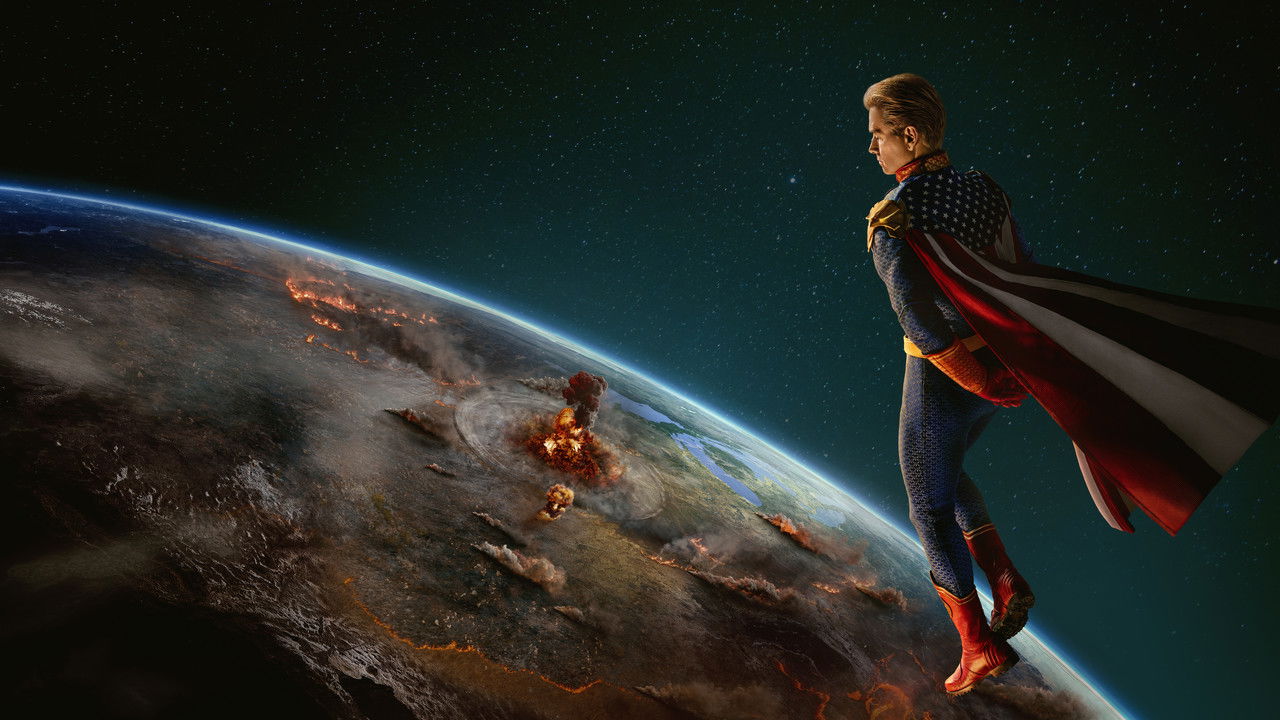
On the other side, The Boys are vigilantes without fancy suits. Led by Billy Butcher, played by Karl Urban, they use blue-collar tactics and a willingness to fight dirty. Jack Quaid plays Hughie, a relatable newcomer pulled into the mess after a personal loss. Antony Starr portrays Homelander, the unsettling face of Vought, while Erin Moriarty, Laz Alonso, Chace Crawford, Tomer Capone, and Karen Fukuhara fill out a cast that keeps the drama human even when the spectacle is not.
The plot is based on comic work by Garth Ennis and Darick Robertson. The adaptation keeps the satirical core but shapes it into a sharper commentary on media, corruption, and how institutions absorb dissent. It is a superhero story turned inside out, where the central question is not who will save us, but who is pretending to.
Tone, Style and Pace
The tone is biting and satirical, yet it carries real tragedy. Scenes can be hilarious one moment and brutally sad the next. The series does not shy away from gore or violence. If you are wondering is The Boys scary, the answer is not in a horror-movie sense, but in a discomforting one. The scariest parts come from recognizing how close the fiction sits to real-world behavior.
The Boys violent scenes are frequent and explicit. They are not included just for shock. The blood and destruction act as a comment on how bodies become disposable in a system that sells heroism. Viewers sensitive to graphic content should know what they are walking into before pressing play.
Pacing varies across the seasons. Early episodes build character and tension with care. Later stretches move faster and lean harder into spectacle. The show respects your time in the sense that it rarely stalls, though some arcs wander. A The Boys first look at season one alone is enough to tell you whether the ride is for you.
Should You Start It?
For viewers with kids at home, a The Boys parents guide is essential. This is strictly adult television. Strong language, sexual content, and extreme violence make it unsuitable for younger audiences. Parents should treat the superhero label as a warning, not an invitation.
If you enjoy satire and stories that question power, this is an easy yes. If you prefer clean victories and gentle heroes, it will likely repel you. The show respects your time by committing fully to its ugly premise instead of softening it for broad appeal. You will not wonder what it is trying to say.
Fans of older genre comedies might also appreciate Red Dwarf, which uses humor instead of blood to poke at authority. The Boys chooses the opposite road, and that contrast is part of its identity.
Our Take on The Boys
The Boys earns its reputation as a savage reflection of excess. It uses the superhero frame to expose corruption in plain sight. Homelander is a chilling creation, and Butcher is a broken mirror held up to him. Their conflict feels less like good versus evil and more like damage versus damage.
The satire lands because it is specific. Vought behaves like a real company, complete with crisis management and ruined ideals. The misandry and other social tensions in the writing are part of the messiness the show wants you to sit with. It is not always comfortable, and it is not meant to be.
Some seasons are stronger than others. The early run is tight and furious. Later entries spread thinner, yet still deliver moments that sting. Even when the story wobbles, the central idea holds: heroes are manufactured, and the manufacture is the problem.
For a different kind of team adventure, Captain Planet and the Planeteers shows the cheerful opposite, where powers exist to teach rather than to dominate. Watching both back to back would be a strange but honest look at what superhero stories can be.
The Boys FAQ
Is The Boys based on a comic? Yes. It adapts the comic by Garth Ennis and Darick Robertson, keeping the satirical spine while reshaping the story for television.
What genres does it cover? The series sits in Sci-Fi & Fantasy and Action & Adventure, but its real engine is satire. Expect corruption, tragedy, and dark comedy mixed together.
How graphic is the content? Very. The Boys violent scenes include heavy gore and disturbing imagery. A The Boys parents guide will confirm this is not family viewing.
Does it respect your time? Mostly. The show moves with purpose and does not pretend to be something it is not. Slow patches exist, but the premise stays clear throughout.
Why do people call it scary? When someone asks is The Boys scary, they usually mean the social horror more than monsters. The fright comes from how believable the corruption feels.
Where should a new viewer begin? Start with season one. A The Boys first look at the premiere tells you everything about tone, and you can decide from there without any spoilers.