Tenzing (2026)
A determined man embarks on a high-stakes quest—and defies seemingly impossible odds—to fulfill his dream of being the first to reach the summit of Mount Everest.
October 17, 2026
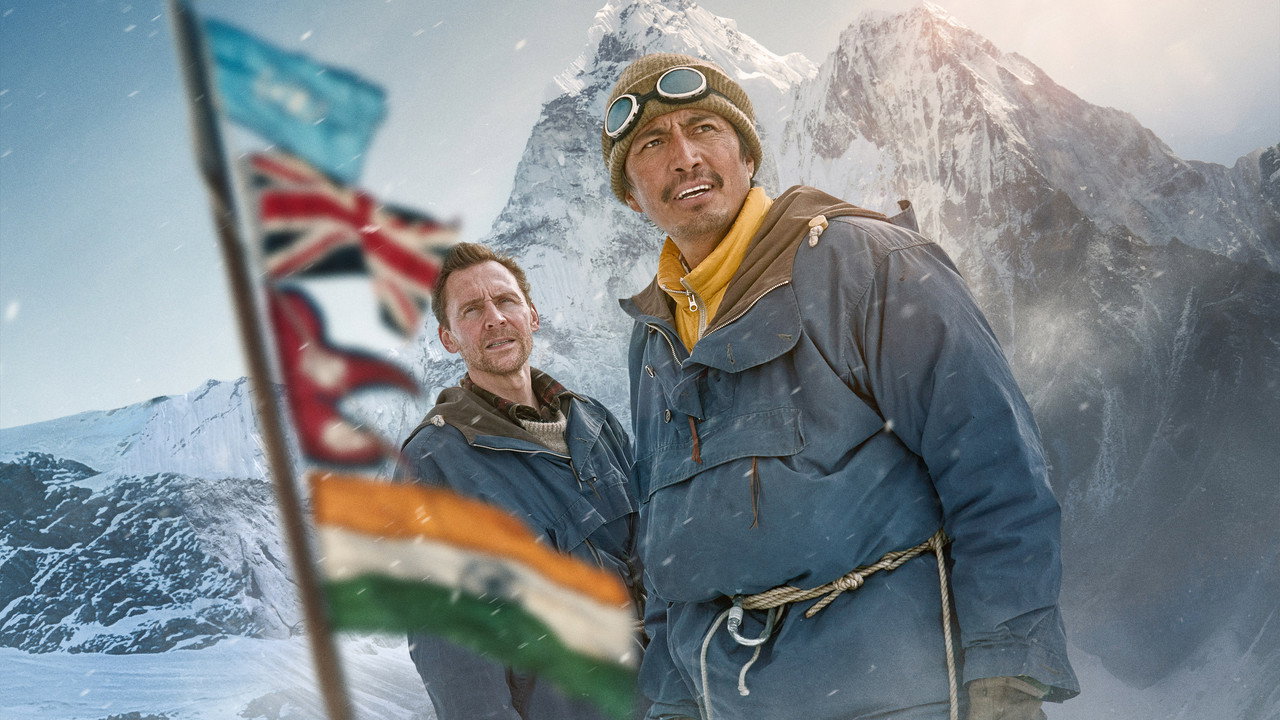
A Spoiler-Free First Look
Streaming audiences often hunt for a quick impression before committing two hours. This Tenzing first look speaks directly to anyone who has not yet watched the 2026 drama. We keep things light, and this Tenzing spoiler free write-up reveals nothing about the final ascent. Jennifer Peedom directs a measured account of a real climber’s journey, running just over two hours at 126 minutes. The film carries a tagline, “The ascent that made history,” which already signals its respectful ambitions. Early buzz suggests a calm, human story rather than a frantic survival thriller. For viewers who value their time, the premise alone offers enough to decide.
Before we go further, fans of historical biopics may enjoy A Call to Spy, a similarly patient wartime drama about unsung figures.
Our goal is to help you decide without spoilers. The film’s 126-minute runtime is reasonable for a period drama, and the director’s careful approach means nothing feels padded. Early viewers have noted the emotional core rather than action spectacle. This brief orientation should give streamers confidence before they click.
The Premise
That Tenzing film summary is grounded in a true story from the 1950s involving mountaineering on Mount Everest. A determined man embarks on a high-stakes quest and defies seemingly impossible odds to fulfill his dream of being the first to reach the summit. The narrative unfolds in Nepal, where the clash between human ambition and nature drives the plot. Themes of man vs nature and making history sit at the core of the script.
The ensemble includes Genden Phuntsok in the leading role, with Tom Hiddleston and Willem Dafoe among the supporting performers. Also featured are Samdrup Dorje Lama, Bhuchung Kata, Johnny Flynn, Lhakpa Tsamchoe, and Jampa Kalsang Tamang, who populate the community and expedition with quiet authenticity. The period setting gives the film a textured backdrop of mid-century mountaineering culture.
The climb is presented as a shared human achievement rather than a solo ego trip. The protagonist’s relationship with the mountain mixes respect and personal determination, reflecting the broader theme of making history. Support from seasoned expedition members turns the quest into a collective effort. The story remains a drama of character first, spectacle second.
The film’s genres are listed as drama and history, which aligns with its careful reconstruction of a real achievement. At 126 minutes, it allows the expedition’s emotional weight to develop without rushing. Viewers get a clear sense of the era and the mountainous terrain that defines the conflict.
Tone, Style and Pace
People wondering is Tenzing scary should relax; the picture is a reflective drama, not a horror or monster feature. Tension arrives from weather and altitude, but the camera treats the mountain with awe rather than fright. Real location photography dominates, using aerial techniques borrowed from nature documentaries to show scale. The pace is steady, allowing character moments to breathe across the 126-minute runtime. Jennifer Peedom’s background in documentary craft shows in wide, patient shots of Everest’s slopes.
Visuals are the film’s silent narrator. Rather than staged sets, the production uses genuine Himalayan vistas, captured with the kind of hovering cameras usually reserved for wildlife films. This choice lets the audience feel the enormity of the terrain. The score supports rather than commands, which keeps the mood contemplative.
If you appreciated survival tales told with restraint, you might also like The Way Back, which similarly respects endurance without cheap shocks.
The performances keep the tone warm. Phuntsok balances ambition with humility, while Hiddleston and Dafoe provide camaraderie and command. The soundtrack and editing avoid manipulative crescendos, making the film feel like an amiable biopic rather than a rushed adventure.
Should You Start It?
For families, this Tenzing parents guide highlights mild themes: occasional peril from altitude, subtle grief, and light romantic longing. There is no graphic violence, and the language stays accessible. New viewers who prefer story over spectacle will find the film rewarding. Because it is based on true story events, the outcome is historical fact, yet the journey stays engaging.
Consider your own taste before starting. The narrative rewards attention to character over rapid plot beats. Viewers who enjoyed patient historical portraits will feel time well spent. Those needing constant momentum might check their expectations at the door.
Those who enjoy ensemble historical pieces can explore Eight Men Out for another look at real events retold with calm authority.
The question of whether to press play depends on patience. If you want constant action, the slower rhythms may test you. If you value craft and context, the film respects your time and leaves you informed.
Tenzing: The Bottom Line
Overall, this is a respectful, well-shot drama that honors a pioneer without overdramatizing. The 7.286 out of 10 rating from early voters suggests quiet approval rather than hype. With a tight focus on character, the movie avoids filler and keeps its 126 minutes purposeful. It is a solid stream for a thoughtful evening.
While the vote count is small, the weighted score indicates a competent, heartfelt work. Peedom’s handling of the true events avoids myth-making, presenting a man who earned his place through persistence. The film’s tagline promises an ascent that made history, and the movie delivers that without shouting.
Tenzing Highlights
Before the list, it is worth noting that the film’s strengths are cumulative. Small moments build toward a satisfying whole.
- Genden Phuntsok’s grounded performance as the lead climber.
- Jennifer Peedom’s direction blending documentary realism with narrative ease.
- Stunning real Everest visuals using eagle-eyed aerial photography.
- Strong supporting work from Tom Hiddleston and Willem Dafoe.
- A script that respects history and the local Nepalese context.
The film stands as a calm, informative watch that should satisfy viewers seeking substance over sensation.