Tales of Demons and Gods (2017): Reborn to Defend His Home
A spoiler-free look at Tales of Demons and Gods (2017), where a reborn weak teen uses past wisdom to save his city.
October 26, 2026
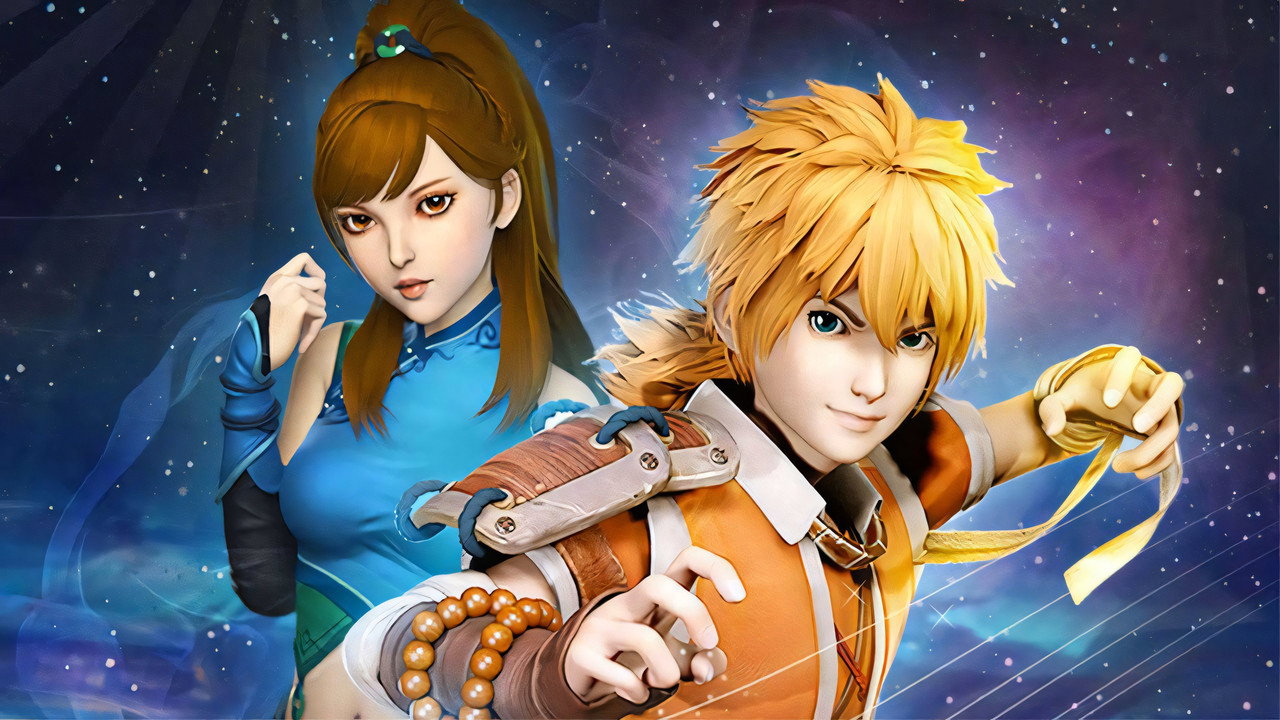
A Spoiler-Free First Look
Welcome to a relaxed introduction to the 2017 animated web series that reimagines a cultivated hero’s second chance. The Demons and Gods spoiler free summary below avoids reveals about later plot turns, so you can read without worry. We are focusing on viewers who have not pressed play yet, and we want to help you decide whether this donghua deserves a spot on your watchlist.
This production comes from China and fits the labels Animation, Action & Adventure, and Sci-Fi & Fantasy. Director 高峰 guided the project, which adapts a popular web novel into a 3D animation format. The rating currently sits at 7.667 out of 10 from a small pool of twelve votes, hinting that early fans appreciated what they saw even if the audience remains niche.
The Premise
The story centers on Nie Li, a young man whose previous life ended in tragedy. In that earlier timeline he was too weak to defend his home when it mattered, yet through sheer determination he rose to become the strongest Demon Spiritist and reached the peak of the martial world. He fell during a clash with the Sage Emperor and six deity-ranked beasts, but his soul was sent back to his thirteen-year-old body.
Now reborn as the weakest student in his class, possessing only a faint red soul realm, Nie Li relies on the vast knowledge he gathered before. The Tales of Demons and Gods first episodes establish this loop clearly, showing him train faster than anyone expects while planning to shield those who once died nobly. His mission is to protect the city from future devastation by demon beasts and to save the lover, friends, family, and citizens lost in the earlier assault.
The Tales of Demons and Gods anime adaptation uses 3D animation to render the martial world, leaning on xianxia tropes like reincarnation and cultivation. Because it is based on a web novel, the narrative carries the brisk pacing typical of donghua spun from online fiction. Fans of Chinese fantasy will recognize the structures immediately.
If you enjoy rebirth tales in animated form, you might also like Dragon Raja -The Blazing Dawn-, which shares a similar Chinese fantasy slant and modern rendering style.
Tone, Style and Pace
The overall mood balances cheerful camaraderie with urgent stakes. The Tales of Demons and Gods scary sequences involve beast assaults and battlefield memories, but the violence stays stylized rather than grim. Bright energy surrounds the training montages, and the protagonist’s confident foresight keeps the atmosphere hopeful rather than despairing.
Visually, the series embraces 3D animation, a choice that sets it apart from traditional hand-drawn imports. As a web series, it delivers shorter bursts of story that respect a casual viewer’s schedule. The cast includes Su Shangqing, Zhixiao Liu, Zhang Ni, Qiege Qin, and 柳川鱼, whose performances lend warmth to the familiar archetypes.
Viewers who appreciate patient world-building may enjoy Sword of Coming, another recent donghua with a measured rhythm and a focus on cultivation lore.
Pacing feels efficient because the hero already knows the path; we watch him bypass mistakes rather than repeat them. That economy of storytelling means the show does not waste your minutes on redundant exposition, which is a plus for anyone wary of padded episodes.
Should You Start It?
Newcomers often ask whether the content suits a household audience. The Demons and Gods parents guide recommendations are easy to follow for cautious viewers, noting that combat is fantastical and not graphic. Families with older children can gauge tolerance from the opening beast attack, which is more triumphant than terrifying.
For those wanting a contrasting tone, Death Parade offers a darker animated meditation, but our subject stays hopeful and forward-looking.
If you value a protagonist who uses intellect over brute force, this is a friendly entry point. The reincarnation premise hands Nie Li a mental head start, so even slow scenes feel purposeful. You do not need prior knowledge of xianxia to follow along, as the early chapters explain the soul realm system through context.
Is Tales of Demons and Gods Worth Your Time?
Considering the compact premise and the efficient use of its reset mechanic, the show earns a tentative recommendation. The 3D animation might divide purists, yet it serves the kinetic battles well. With a rating of 7.667 from twelve voters, it clearly satisfied its initial niche, and the source web novel’s popularity suggests more than a fleeting curiosity.
The main draw is watching a weak red-soul teenager outthink a doomed fate. That core fantasy, paired with protective motives toward friends and family, gives emotional weight to the action. If you have roughly half an hour for a pilot, the first chapter respects your attention and sets up longer arcs without demanding a binge.
On the downside, the limited vote count means community consensus is still forming, and the runtime per episode is not publicly listed. Still, as a web series it is built for flexible viewing, and the Chinese donghua style offers a fresh alternative to saturated markets.
Tales of Demons and Gods Explained
To clarify without spoiling, the title refers to the demon and deity forces within its universe, not a religious text. The explained part is simply that Nie Li’s second chance is a tool for prevention rather than revenge. He carries memories of a fallen world into a brighter starting line, and the narrative follows his applied wisdom.
We have kept this breakdown light because the joy comes from seeing plans unfold. Themes of based on novel or book, reincarnation, chinese, xianxia, 3d animation, web series, animation, donghua, and based on web novel all surface naturally as the episodes progress. Whether you seek a calm introduction or a launchpad into donghua, this 2017 title makes a polite first impression.