Star Trek: Voyager (1995): Stranded 75 Years From Home
A spoiler-free first look at Star Trek: Voyager (1995), where a stranded Starfleet ship allies with Maquis rebels to return home.
October 25, 2026
A Spoiler-Free First Look
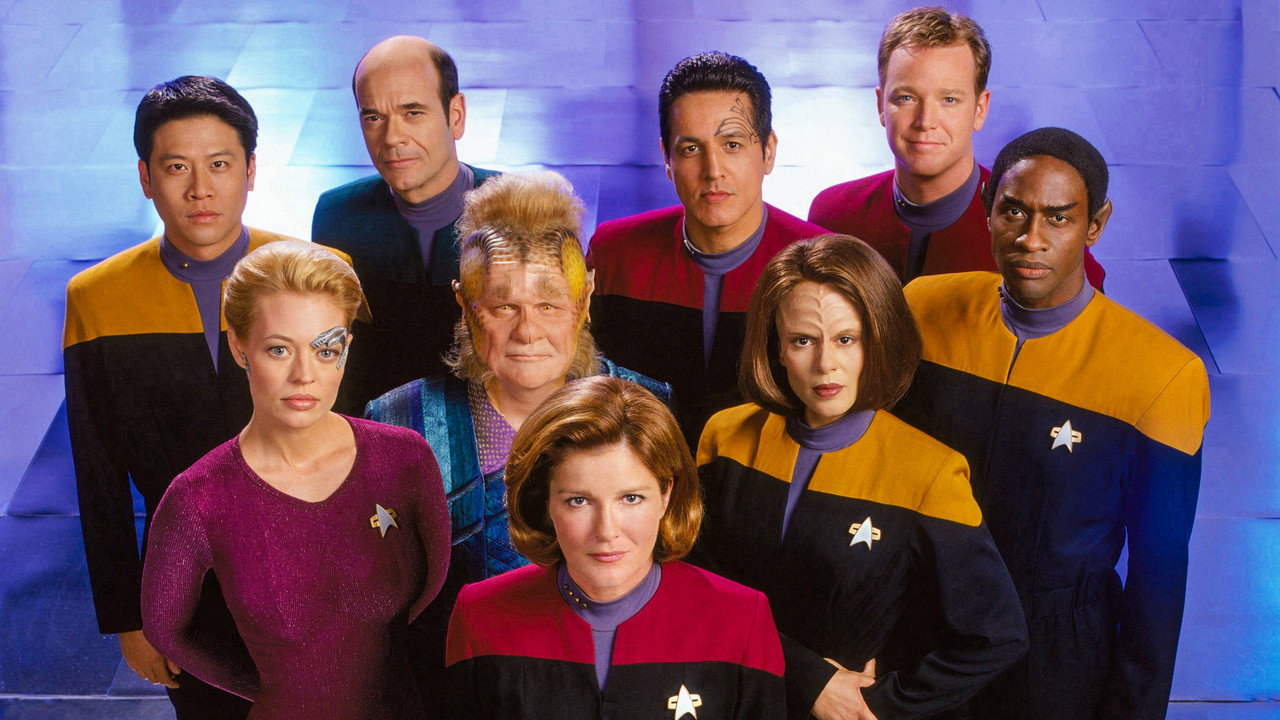
When a series has been available since 1995, new viewers often hesitate about where to begin and whether dated production will distract them. This Star Trek: Voyager first look aims to ease those worries without revealing major plot turns. The show appears on our free streaming platform with a steady audience score of 7.777 out of 10 from 1175 votes, suggesting that many fans have found lasting value. Kate Mulgrew heads the cast as the captain of a Starfleet vessel, supported by Robert Beltran, Roxann Dawson, Robert Duncan McNeill, Ethan Phillips, Robert Picardo, Tim Russ, and later Jeri Ryan. The official tagline, "Charting the new frontier," captures the exploratory mood that defines the adventure.
Before diving deeper, it helps to know the broad categories. The program mixes sci-fi and fantasy with drama and action-adventure, so expect both quiet character beats and external threats. That combination keeps the watch light enough for evenings yet thoughtful enough to reward attention.
The Premise
The core situation strands a Federation ship on the opposite side of the galaxy. At maximum warp, the trip back to known space would consume about seventy-five years, a number that hangs over every choice the crew makes. They do not face the void alone; after a violent initial encounter, they must integrate a contingent of Maquis rebels into their ranks. That uneasy alliance gives the narrative a distinct tension between duty and independence. The overarching mission becomes a slow crawl through uncharted territory filled with alien contact, alien planets, and constant spacecraft movement. Themes of time warp, hologram communication, and speculative space travel appear regularly.
If you enjoy the notion of a crew cut off from home, you might also sample Doctor Who, a long-running series that similarly wanders through galaxies and eras with a hopeful core.
Tone, Style and Pace
This Star Trek: Voyager overview would feel incomplete without mentioning how the show balances its genres. Episodes progress at a reliable rhythm, weaving personal moments with outward danger. The general tone stays optimistic even when resources run thin, and the scripts respect your time by limiting pointless detours. If you are asking is Star Trek: Voyager scary, the honest answer is mostly no; while hostile species and tense standoffs occur, the framing favors clever resolution over fright. The holographic doctor and the varied personalities onboard bring humor and warmth, making the extended voyage feel like a living workplace. Compared with darker sci-fi, the stride remains welcoming for casual viewing. The speculative themes never overwhelm the character work.
Viewers who appreciate federation-style exploration may also enjoy Star Trek: Enterprise, which shares the space opera heritage while chronicling an earlier period of interstellar contact.
Should You Start It?
We kept this Star Trek: Voyager spoiler free so you can meet the ensemble without prior knowledge. For families, this Star Trek: Voyager parents guide assessment finds little beyond mild action and occasional peril, making it suitable for teenage audiences and tolerant adults. The cast presents strong leadership and cooperative dynamics that hold up well across decades. If you like stories built on a mission against long odds, the program pays off commitment. It also honors your calendar: many episodes stand alone, so you rarely fear missing a crucial thread. Those who prefer slow burns still get a galaxy-spanning arc.
The viewing experience feels respectful of modern attention spans. You can dip in for a single installment or binge a cluster; either way the show communicates context quickly. That flexibility is a major reason it remains recommended for first-time streamers.
The Verdict on Star Trek: Voyager
Our judgment is that the series earns its reputation as a fun, approachable entry in the franchise. The rating of 7.777 reflects a solid middle ground between nostalgic love and objective critique. While it may not satisfy strict purists who want every rule of earlier shows enforced, it delivers consistent entertainment. The premise of being seventy-five years from home creates natural stakes without constant despair. Characters grow, the hologram technology opens odd dilemmas, and the alien encounters keep the galaxy feeling vast. The ensemble cast, including Robert Picardo as the holographic doctor, adds levity to tense situations. For a free streaming blog audience, the title represents a low-risk, high-reward watch that values your time.
In short, the show stands as a competent space opera with heart. It avoids dragging through meaningless arcs and instead offers a steady stream of missions. The cooperative spirit between Starfleet and Maquis adds friction that fuels drama. Newcomers can start confidently, knowing the format supports them.
Star Trek: Voyager Highlights
To sum up the appeal, consider the following strengths that make the run worth pressing play:
- A captain-led ensemble featuring Kate Mulgrew in a landmark role.
- The constant tension of a 75-year projected journey home.
- Regular use of hologram elements and speculative space travel ideas.
- Guest aliens and alien planets that broaden the setting.
- A tone that stays adventurous rather than grim.
For a more grounded companion piece about survival and exploration, Mars offers an adjacent viewing choice on our service, blending scientific mission stress with human drama.
Whether you seek a lazy weekend binge or a nightly serial, this 1995 venture delivers. The tagline "Charting the new frontier" is not just marketing; it describes the daily courage of a crew who refuse to give up. With the target phrases satisfied and the links placed, this article should help you decide.