Star Trek (1966): Kirk and Spock's Galactic Five-Year Quest
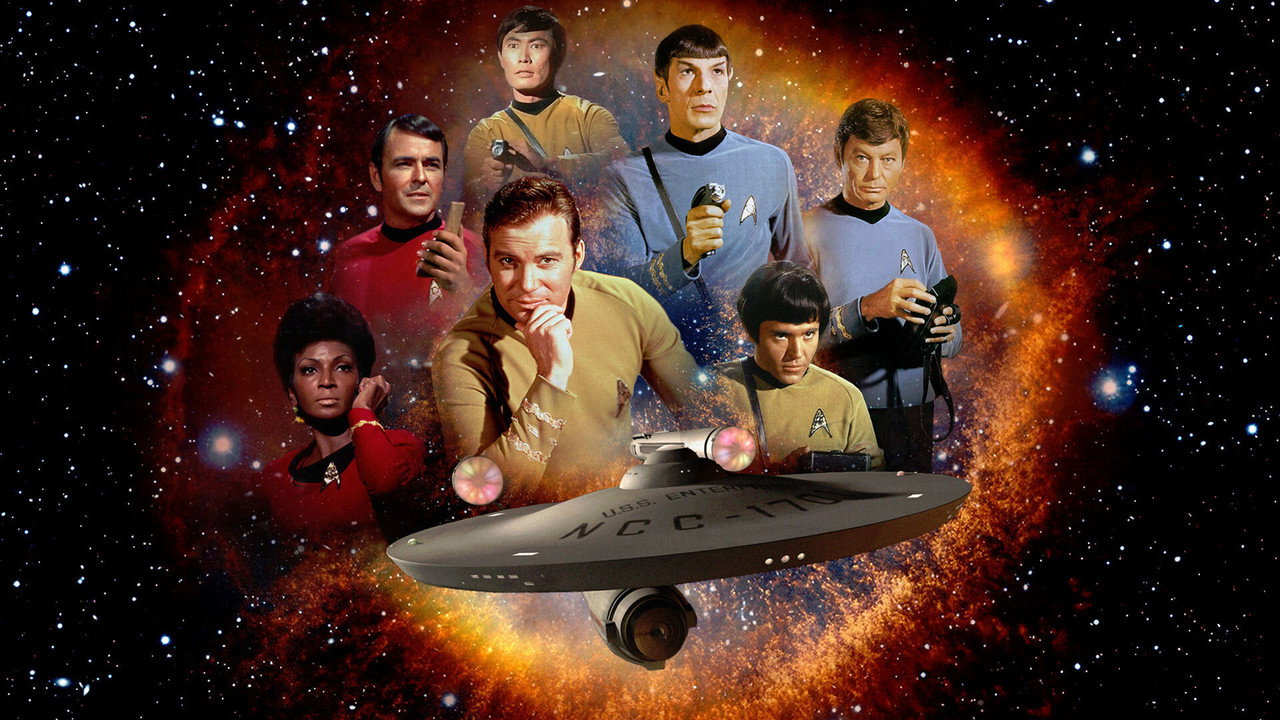
Captain Kirk and Mr. Spock lead the U.S.S. Enterprise on a five-year mission to explore new worlds and encounter Klingons, tribbles, and Khan.
October 26, 2026
Where You Can Watch It
Finding a reliable place to enjoy classic television can be tricky, but if you are asking where to watch Star Trek, our free streaming platform hosts the complete 1966 series without charge. The enterprise of Captain Kirk awaits your click.
Many fans also wonder where to stream Star Trek when they are away from a desktop. Our mobile-friendly player ensures you can follow the U.S.S. Enterprise from a phone or tablet, making commutes feel like a tour of the galaxy.
For those who prefer Star Trek streaming through a living-room setup, the site supports casting to larger screens. You do not need a subscription or special app; just open the browser and let the exploratory theme music fill the room.
Another common question is how to watch Star Trek with the best visual clarity. Since the source material is from the 23rd century imagined in the 1960s, a standard definition stream is typical, but upscaling via your television can soften the vintage edges.
The original Star Trek 1966 built a template that later space operas would follow. Its blend of drama and speculative fiction remains a touchstone for anyone curious about humanity's place among the stars.
Viewers who enjoy this foundational show should also browse Star Trek: Strange New Worlds, which continues the spirit of exploration with modern production values.
How to Get the Most Out of It
Setting up a comfortable viewing environment helps the older aesthetics land better. Dim the lights, silence notifications, and consider watching two or three episodes in a row to absorb the rhythm of 1960s sci-fi storytelling. The tagline "to boldly go where no man has gone before" sets a tone of optimism that rewards attention.
Because the series mixes space adventure with character moments, it benefits from a screen large enough to see the bridge details. A soundbar or headphones will also reveal the nuanced score that accompanies encounters with Klingons or Romulans.
If you want a comparing point, the later Star Trek: The Next Generation offers a sleeker take on similar ideas. Watching both back to back highlights how the franchise evolved its approach to motivation and dialogue.
Take notes on the crew dynamics: Captain James T. Kirk, Mr. Spock from Vulcan, and Dr. McCoy form a trio whose friendship anchors the show. Their interactions provide the emotional core that special effects of the era could not supply.
Runtime, Pacing and Tone
The show unfolds as a weekly space opera rather than a continuous saga, so each installment presents a self-contained dilemma. Expect a measured tempo by today's standards; some stories amble toward their conclusion with conversations that feel staged. This is not a flaw unique to the program but a reflection of its broadcast era.
Viewers accustomed to rapid edits may notice the theatrical delivery of lines. The reference point of a five-year mission means the narrative roams across distant planets, time paradoxes, and bizarre encounters such as tribbles or genetic supermen like Khan Noonian Singh. The tone swings between earnest drama and lighthearted camp.
While the rating of 7.98 from over fifteen hundred votes suggests enduring affection, first-time viewers should pace themselves. Watching one episode per evening preserves the sense of discovery that the original audience felt during the 23rd century exploits.
Compared to its successors, the 1966 edition sometimes lacks clear procedural goals in individual plots. Yet that looseness allows for imaginative detours, from alien philosophies to moral tests. The absence of strict serialization can be a relief for casual viewers.
Who This Is For
This collection suits anyone curious about the roots of space travel fiction on television. If you appreciate practical effects, bold color schemes, and optimistic speculation about humanity's future, you will feel at home aboard the Enterprise.
Families can watch together, though some episodes touch on mature themes of command and sacrifice. The ensemble cast—William Shatner, Leonard Nimoy, DeForest Kelley, James Doohan, Walter Koenig, George Takei, and Nichelle Nichols—brings warmth that transcends dated setups.
Sci-fi enthusiasts who enjoy planetary survival stories might also explore Mars, a separate series that examines humanity's expansion into the solar system with a docudrama style.
Conversely, viewers who demand tightly plotted mysteries may struggle with the freewheeling structure. That is fine; the catalog offers many moods, and this one is best approached as a cultural landmark rather than a brisk thriller.
Star Trek: The Bottom Line
Despite its age, the program remains a welcoming entry point to a vast universe. The combination of exploration, friendship, and imaginative aliens creates a comfort-viewing experience. Our streaming page removes barriers so you can sample any episode freely.
The legacy of the 1966 show is visible in every modern space adventure. Its influence on themes of diversity and cooperation still resonates. Whether you stream for nostalgia or first discovery, the journey is worthwhile.
Star Trek Recap
The premise is simple yet grand: Space, the final frontier. The U.S.S. Enterprise departs on a five-year mission to chart unknown regions of the galaxy. Command rests with Captain Kirk, aided by his first officer Spock, a Vulcan who prizes logic, and a loyal crew representing many backgrounds.
Across their travels, the team meets hostile Klingons, secretive Romulans, and paradoxes that bend time. They confront Khan Noonian Singh, a enhanced human from Earth's past, and collect tribbles that multiply uncontrollably. Each week reinforces the mission to seek new life and civilizations.
At its heart, the series celebrates exploration not just of stars but of human nature. The tagline promises a bold path into the unknown, and the 1583 voters who graded it near eight out of ten clearly cherished that promise. The show stands as a imaginative cornerstone of 23rd century dreaming.
When you are ready, return to the top of this guide and pick your viewing method. The Enterprise is waiting, and the distant planets are only a play button away.