Midsomer Murders (1997): A Veteran DCI and His Sergeant
A spoiler-free introduction to Midsomer Murders (1997), where a veteran DCI and his young sergeant solve rural crimes without revealing whodunnit.
October 18, 2026
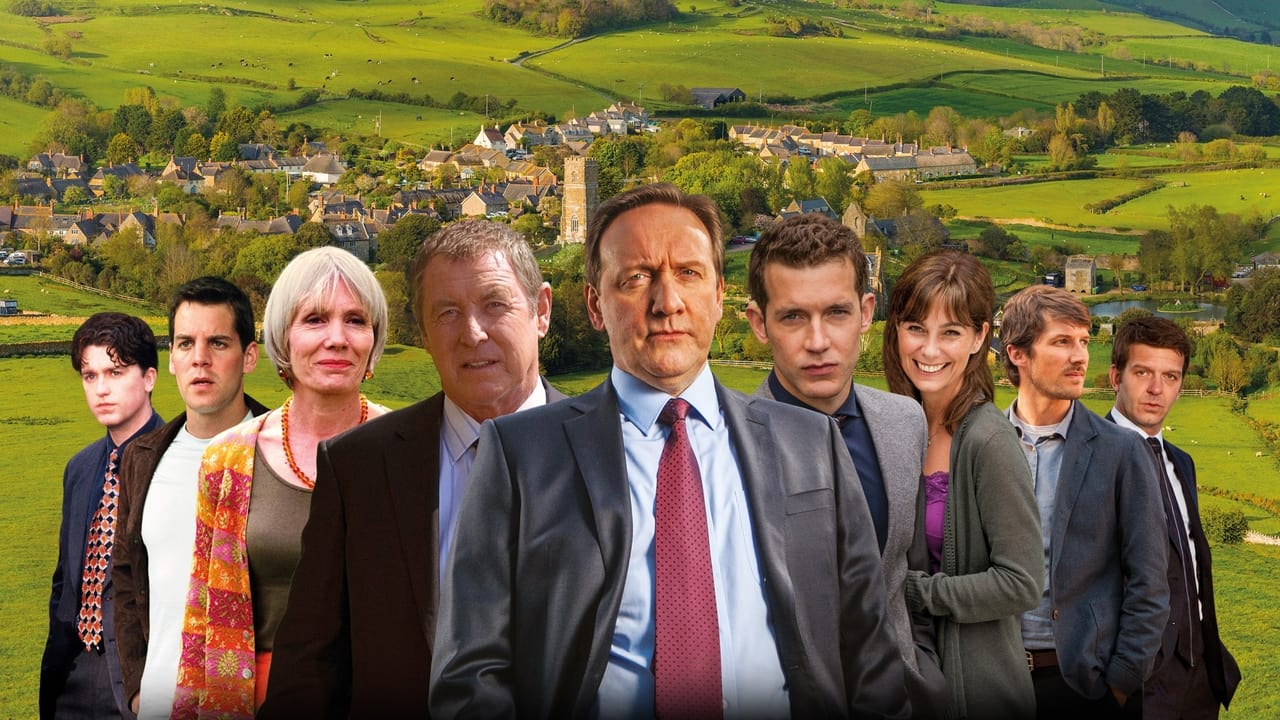
A Spoiler-Free First Look
Stepping into a long-running British mystery can feel intimidating, yet our blog's Midsomer Murders first look column aims to ease that worry for anyone browsing our free streaming site. The series, which first aired in 1997, presents a rural county where calm village life repeatedly meets sudden violence. The Midsomer Murders spoiler free approach guides this write-up, meaning we will not reveal specific killings or culprits, nor will we outline how each case concludes.
Instead, we focus on whether the show respects a newcomer's time and what kind of mood to expect. The program has been described as a pastiche of police procedurals; that does not mean it mocks the genre, but rather that it gently turns expectations upside down. You can enjoy it without any prior episode knowledge, making it a friendly entry point.
For viewers who enjoy classic investigative television, a natural companion piece is Murder, She Wrote (1984), a show that also balances light tone with puzzling deaths. Both programs share a fondness for eccentric communities and methodical sleuthing, so if you appreciate one, the other will likely feel familiar.
The Premise
The story centers on the fictional county of Midsomer, described by its own tagline as the deadliest county in England. A veteran detective chief inspector and his younger sergeant work through murder investigations that disrupt the local peace. Multiple Midsomer Murders wiki entries confirm the setting is a stylized version of English countryside, filled with quirky traditions and tight-knit villages where everyone knows each other.
Each installment places suspects under suspicion after violent crimes shatter the calm. The officers must calmly and diligently eliminate the innocent while ruthlessly pursuing the guilty. The main cast includes Neil Dudgeon, Nick Hendrix, Fiona Dolman, and Annette Badland, who bring continuity across stand-alone cases. Their personal lives weave subtle threads that reward long-term watching without ever overshadowing the week's puzzle.
Themes of police detective work, murder investigation, and the role of a police inspector sit at the core. The word midsomer itself becomes shorthand for a place where brutality hides behind flower shows and pub lunches. An amused perspective pervades the storytelling, marking it as cosy crime rather than harsh realism.
Tone, Style and Pace
The mood sits firmly in the cosy crime tradition, even when bodies appear. Some viewers question is Midsomer Murders scary, but the presentation stays more amused than frightening. Killings are imaginative and often tied to festivals or pseudo-supernatural rumors, yet the camera avoids graphic detail. The Midsomer Murders parents guide notes mention stylized killings suitable for a general audience, which helps families decide if it fits their evening.
If you like procedural elements with a side of local color, consider Murder in Suburbia (2004), which mirrors the suburban sleuthing approach. Another option for fans of older detectives is The Streets of San Francisco (1972), though its setting is urban rather than rural. Both illustrate how location shapes a mystery's personality.
The pace favors character moments alongside the mystery. Across its many seasons, the show often includes about three deaths per episode, not as serial killings but as circumstances demand. Recurring personal plots for the leads give a through-line that respects the viewer's time. Methods of dispatch are creative, not always plausible, but always part of the fun. A festival or fete frequently frames the action, and figures from a character's past regularly reappear to complicate matters.
Because the format is episodic, you can sample a single story and still feel satisfied. The humor is gentle, the violence stylized, and the resolution tidy. That structure makes it a pleasant backdrop for relaxed nights.
Should You Start It?
Newcomers might feel overwhelmed by the sheer number of seasons, but there are not many episodes per season, so the backlog moves faster than expected. We suggest watching at least three chapters before judging, because the rhythm grows on you. The format respects your schedule: each mystery wraps up cleanly, and you can dip in without prior knowledge.
Ratings reflect steady affection, with a score of 7.479 out of 10 from 377 votes. That indicates a dependable rather than flashy experience. The show does not demand intense concentration, making it ideal for relaxed viewing. If you have limited hours, start with any early standalone tale and gauge your interest.
Another time-friendly aspect is the absence of sprawling arcs. While the detectives evolve, the crimes are self-contained. This respects the audience's attention and avoids the fatigue that long serials can cause.
Midsomer Murders: The Bottom Line
Overall, this is a gentle, witty take on the police detective genre. The blend of england, murder, and community festivals creates a comfort-watch with just enough edge. With a veteran DCI and sergeant pairing, the murder investigation beats remain satisfying. If you want a low-pressure entry into British crime dramas, start here.
The tagline, "The deadliest county in England," is playful rather than grim. Coupled with the amused tone and cosy crime tags, the series offers a safe space to enjoy puzzles. The cast's rapport anchors the nonsense, keeping everything grounded.
Midsomer Murders FAQ
Below are common questions from first-time viewers, answered without spoilers.
- What is the basic setup? A senior inspector and his sergeant solve killings in a picturesque but deadly region, using calm deduction.
- How many murders per episode? Often several, but they are presented with restraint and stylized flair rather than gore.
- Is the show formulaic? It follows a cozy template with festivals, past acquaintances, and creative methods, yet each locale feels fresh.
- Who are the leads? Neil Dudgeon and Nick Hendrix head the main cast, supported by Fiona Dolman and Annette Badland.
- Does it require commitment? No, each case closes by the end, so you can watch sporadically and still follow.
- What makes it distinct? The sheer frequency of imaginative crimes in a small area, plus a tone that winks at the genre.
Themes of police inspector work and community life tie the series together. It remains a pleasant, undemanding watch for those curious about rural mystery television. Whether you stumble on it via a channel dedicated to reruns or our streaming catalog, the show welcomes you without prerequisites.