Meet the Press (1947): America's Longest-Running TV Institution
Meet the Press (1947) is NBC's weekly political interview show and the longest-running series in US broadcasting history.
November 15, 2026
A Spoiler-Free First Look
There is a certain kind of television that has simply always been there. Not a trend, not a revival, not a limited series with a countdown clock attached — just a fixture. Meet the Press is that fixture. Anyone looking for a Meet the Press spoiler free way into the show is in luck, because this is not a program built on twists and reveals. It is a program built on questions, answers, and the slow grind of national affairs, and that makes it unusually easy to sample without fear of ruining anything.
This first look is aimed at the curious viewer who has heard the name for years but never actually sat down with an episode. You do not need a season order, a watchlist, or a wiki open in another tab. You just need to know what you are walking into.
The Premise
At its core, this is a weekly news and interview program airing on NBC, and it holds a record that is genuinely hard to wrap your head around: it is the longest-running television series in American broadcasting history. The show debuted on November 6, 1947, and it has been on the air in some form ever since, even though the current version bears little resemblance to what audiences saw back then.
The format is straightforward. A moderator sits down with national leaders and public figures, and the conversation centers on politics, economics, foreign policy, and other matters of public affairs. Guests are not there to promote a project or tell a funny anecdote from set. They are there to be questioned, and the show's reputation rests on that seriousness of purpose.
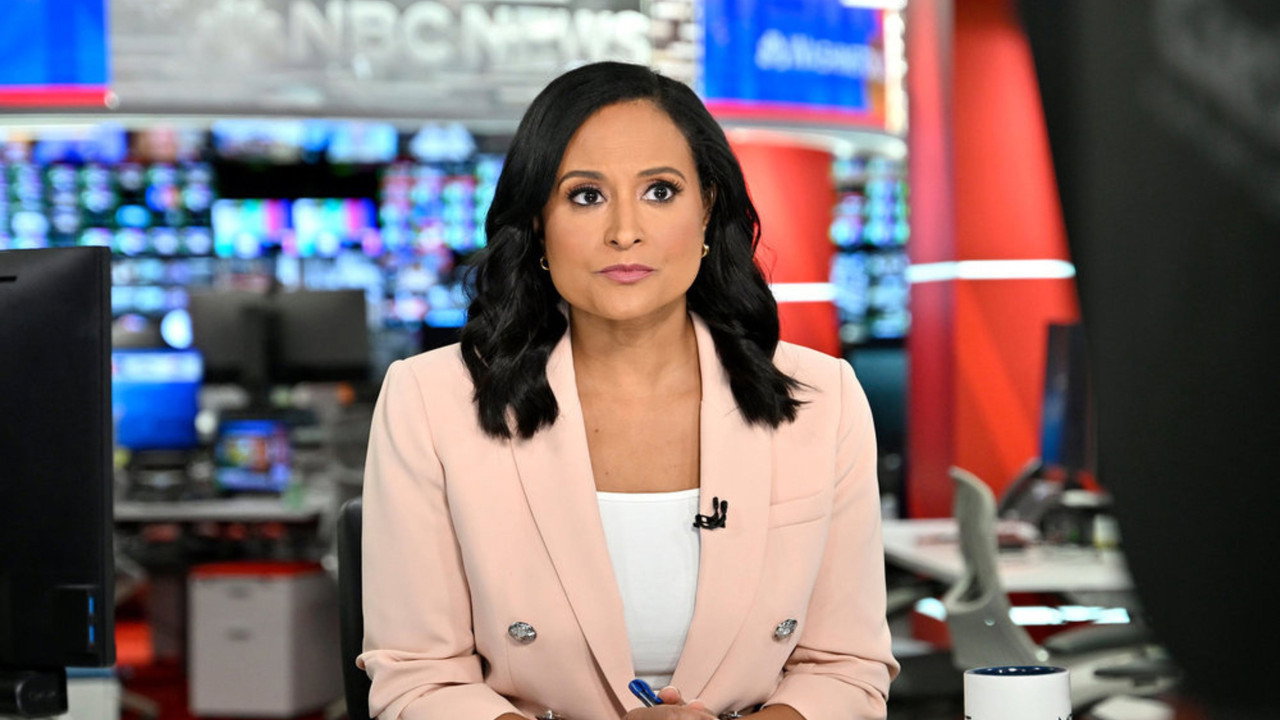
Over the decades, eleven moderators have led the program, beginning with Martha Rountree. The current host is Kristen Welker, and part of the appeal for a newcomer is watching how a single interviewer steers a conversation that could go anywhere. If you enjoy long-form political conversation, this sits comfortably alongside programs like The Rachel Maddow Show, which approaches public affairs from a very different angle but shares the same basic interest in the news cycle. The panel-and-discussion format also has cousins in British broadcasting, such as The Wright Stuff, where the appeal is less about spectacle and more about the exchange itself.
Tone, Style and Pace
This is where expectations matter most. If you are wondering is Meet the Press scary, the honest answer is no — not in the horror sense, not in the jump-scare sense, not in any sense that would keep you up at night. The tension, when it comes, is conversational. Guests get pressed on their positions, moderators push back, and the mood can turn sharp. The subject matter is heavy by nature, since it deals with the decisions that shape public life, and the tone is frequently critical. Some exchanges carry a pointed or derogatory edge, and viewers sometimes come away from a segment disgusted by what a guest has said or refused to say. That is the nature of political interviewing rather than an attempt to unsettle the audience.
Pace-wise, this is deliberate television. There are no rapid cuts, no dramatic score, no cliffhangers before a break. The rhythm is a question, a follow-up, a rebuttal. For some viewers that is the whole point; for others it will feel slow. The good news is that episodes are self-contained, so you can watch twenty minutes of one and walk away without losing a plot thread. That makes it a low-risk entry point for anyone who normally stays in the scripted lane — much like dropping into StarTalk with Neil deGrasse Tyson, where a single conversation carries the hour and you can join whenever you like.
Should You Start It?
Yes, with clearly defined expectations. Start with one episode, ideally one built around a topic you already follow, and treat it as a test run rather than a commitment. Does the moderator's questioning style hold your attention? Do you care what the guest has to say? If the answers are yes, you have found a weekly habit that will never run out of material.
If you are hoping for entertainment in the conventional sense, this is not that. There are no characters to root for, no arcs to track, no finale to anticipate. It respects your time in a very specific way: it does not pad, it does not bait you, and it does not ask you to remember anything from last week. The flip side is that it demands attention. Half-watching will leave you lost, because the substance lives entirely in the wording of the answers.
For parents weighing whether to put it on with older kids in the room, a Meet the Press parents guide amounts to common sense rather than a strict checklist. The content is political discussion, which means adult subject matter, occasional confrontation, and references to current events that may need context. There is no violence, no crude humor, and nothing graphic. Older teenagers following civics or debate will likely get a lot out of it; younger children will be bored within minutes.
One more note for the cautious: if you want the Meet the Press first look experience without committing to a full hour, catch the opening segment. The first guest and the first line of questioning usually set the tone for everything that follows, and it is the fairest sample of what the Meet the Press TV show actually is.
Meet the Press: The Bottom Line
This is a durable, serious, occasionally combative interview program that has outlasted nearly everything else on American television. It will not thrill you, and it is not trying to. What it offers is a front-row seat to the people making decisions and the journalists asking them to explain those decisions. Approach it as a weekly appointment rather than a binge, and it earns its place in your rotation.
Meet the Press Fast Facts
- Premiere: November 6, 1947, on NBC
- Genres: News, Talk
- Format: Weekly Sunday morning interview program focused on politics, economics, foreign policy, and public affairs
- Host: Kristen Welker
- Moderators to date: 11, beginning with Martha Rountree
- Distinction: Longest-running television series in American broadcasting history; highest-rated of the American Sunday morning talk shows
- Recognition: 4.81/10 from 21 votes
- Watching tip: Episodes stand alone, so sample any week that covers a topic you already follow