M*A*S*H (1972): How the 4077th Makes Wartime Life Bearable
A spoiler-free introduction to M*A*S*H (1972), the Korean War series where humor makes wartime life bearable.
October 27, 2026
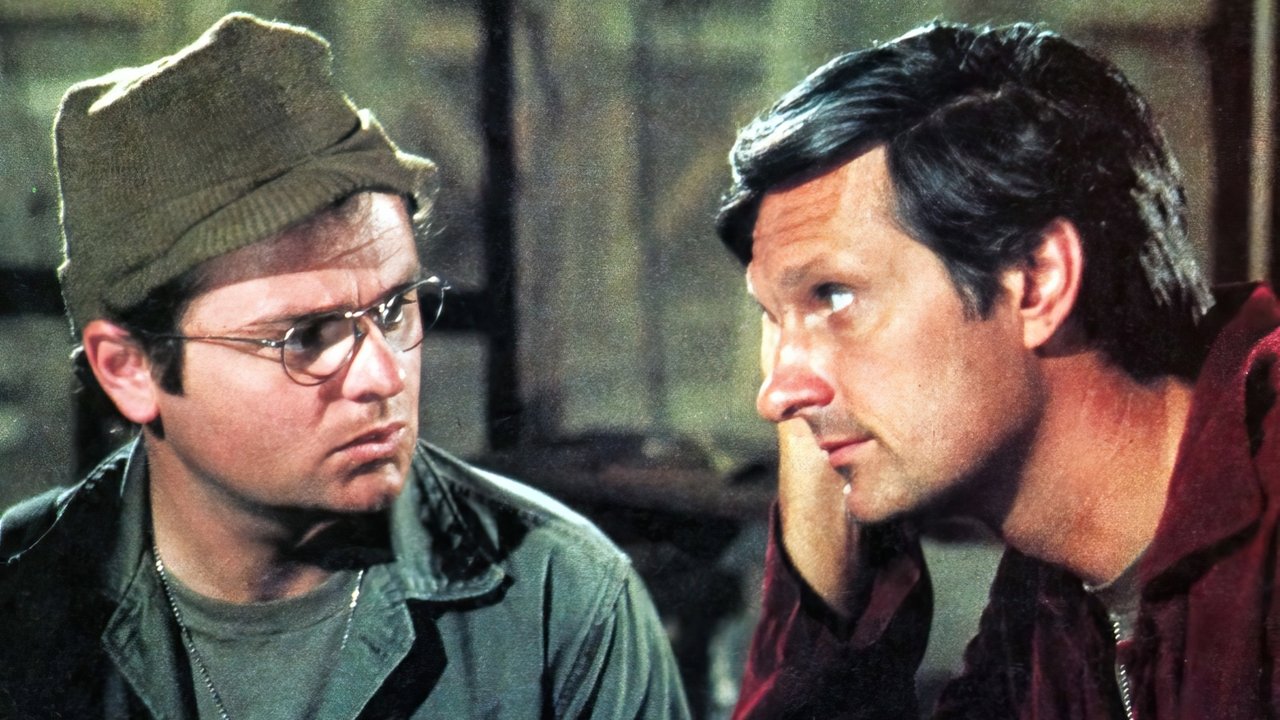
A Spoiler-Free First Look
Welcome to our streaming blog's introduction to a classic television experience. The series M*A*S*H arrived in 1972 and has stayed in public memory thanks to its unusual blend of humor and wartime reality. Our M*A*S*H first look aims to help you decide whether to press play without revealing any character exits or major plot turns. The show carries a tagline, "Goodbye, Farewell, and Amen," which hints at closure rather than spoilers. With a rating of 7.9 out of 10 from 781 votes, it clearly resonates with a broad audience. We focus on the premise, tone, and whether the episode length respects your evening. This article is written for people who have never visited the 4077th unit before. You can read with confidence because we keep everything ahead of you free from revelations. The blend of war politics, drama, and comedy gives new viewers something to anticipate. We will walk through what the program is about and how it feels to watch. Taking a careful approach means you can enjoy the atmosphere without fear of ruined surprises. The ensemble format means each face you meet becomes part of a larger picture. Our goal is to inform, not to spoil.
The Premise
The story centers on the 4077th Mobile Army Surgical Hospital, a field unit planted in the middle of the Korean War between 1950 and 1953. This M*A*S*H spoiler free description sticks to the establishing situation: a group of American medical staff and soldiers find themselves far from home, serving the U.S. Army in a mobile military hospital. Themes of being an American abroad and working as a surgeon or doctor under pressure shape daily life. Based on a novel or book, the narrative follows nurses, administrators, and other personnel who are stuck in an army camp with little relief from the surrounding conflict. Rather than dwell on battlefield action, the writing shows how these people make their own fun. Practical jokes and small acts of revenge become coping tools. The cast includes Alan Alda, Mike Farrell, Harry Morgan, Loretta Swit, David Ogden Stiers, Jamie Farr, and William Christopher, who bring the ensemble to life. As a sitcom with medical drama roots, the premise is simple yet flexible enough to sustain many stories. The Korean War setting provides constant tension, but the field hospital becomes a stage for human connection. Viewers get a look at military hospital routines without needing prior knowledge of history.
The declared genres give a clear signal of what to expect:
- War & Politics
- Drama
- Comedy
Such a combination means the premise never locks into a single mood. Instead, the army camp functions as a crossroads where medical duty meets personal eccentricity.
Tone, Style and Pace
Balancing comedy and drama is the show's signature. The frequent M*A*S*H funny scenes clips provide relief from the heavier medical and military moments. Style wise, it plays like a sitcom set in a field hospital, mixing stand alone humor with ongoing character dynamics. Pacing tends to favor short comedic beats between surgical emergencies. Themes of military life and surgeon duties appear alongside lighthearted pranks. Because the tone shifts, viewers should not expect nonstop laughter nor grim documentary realism. Instead, the series respects its audience by letting silence and joke land naturally. The visual approach is typical of early 1970s television, focusing on intimate sets rather than large scale war. This rhythm makes it easy to watch an episode in one sitting. The ensemble cast creates a feeling of community inside the army camp. Even when the plot touches on loss, the next scene might show a harmless revenge scheme. That contrast is deliberate and well executed. For a show tagged with war and politics, it spends surprising energy on personal warmth. The pace invites you to settle in rather than brace for intensity.
Should You Start It?
If you are browsing for a new series, you may wonder if the content suits you. The question is M*A*S*H scary matters for some viewers who avoid war depictions. While the Korean War forms the backdrop, the program treats violence indirectly, focusing on the hospital rather than combat zones. Therefore, it is more thoughtful than frightening. The runtime per episode is manageable, and the 7.9 rating suggests consistent quality. We believe the show respects your time because each installment offers a complete interaction among the staff. Newcomers need not commit to hundreds of hours to get the idea. Starting from the beginning lets you meet the doctors and nurses as they build their makeshift family. For those who enjoy military comedies, you might also enjoy McHale's Navy, a lighter take on army life. Our advice is to sample two or three episodes; the tone will quickly become familiar. The tagline promises farewell, but the journey there is gentle. Few shows from that era remain as watchable for a modern audience.
What We Think of M*A*S*H
Our verdict is positive for viewers seeking a mix of laugh and reflection. A clear M*A*S*H parents guide note: the show blends war and comedy, so families can watch together with mild caution about wartime themes. The ensemble led by Alan Alda and colleagues delivers steady performance across the run. As a medical drama and sitcom hybrid, it avoids preachy moments while showing the cost of conflict. The rating of 7.9 reflects a beloved but not flawless classic. We appreciate that the writing trusts the audience to handle both joke and sorrow. For those who prefer a serious wartime tone, Foyle's War offers a detective angle set during conflict. Meanwhile, M*A*S*H stands out for its practical jokes and revenge plots that keep spirits up. The themes of surgeon skill and american abroad experience feel relevant even decades later. Overall, we think the series earns its reputation and remains accessible on free streaming. It is a rare example of a program that can make you smile and think in the same half hour.
M*A*S*H Summary
To wrap up, the 1972 series places a mobile army surgical hospital in the Korean War and follows the staff as they cope with separation and stress. It is a sitcom, medical drama, and war politics entry all at once. The cast we listed brings warmth to the army camp setting. With practical jokes, revenge, and camaraderie, the show makes wartime life bearable for its characters and entertaining for viewers. If you want a more recent period drama, The Winter King explores a different era of struggle. Our spoiler free approach means you can start episode one without fear of ruined surprises. The tagline "Goodbye, Farewell, and Amen" waits at the end of a long road. Given the premise, tone, and respectful pacing, we recommend giving this classic a try on our platform. It remains a smart choice for anyone curious about television that balances humor with the reality of a field hospital. The 4077th unit may be fictional in detail, but its laughter is real.