Lucifer (2016): Hell's Lord Trades Throne for LAPD Cases
A newcomer-friendly, spoiler-free look at Lucifer (2016), the crime fantasy series about the Lord of Hell partnering with an LAPD detective in Los Angeles.
October 22, 2026
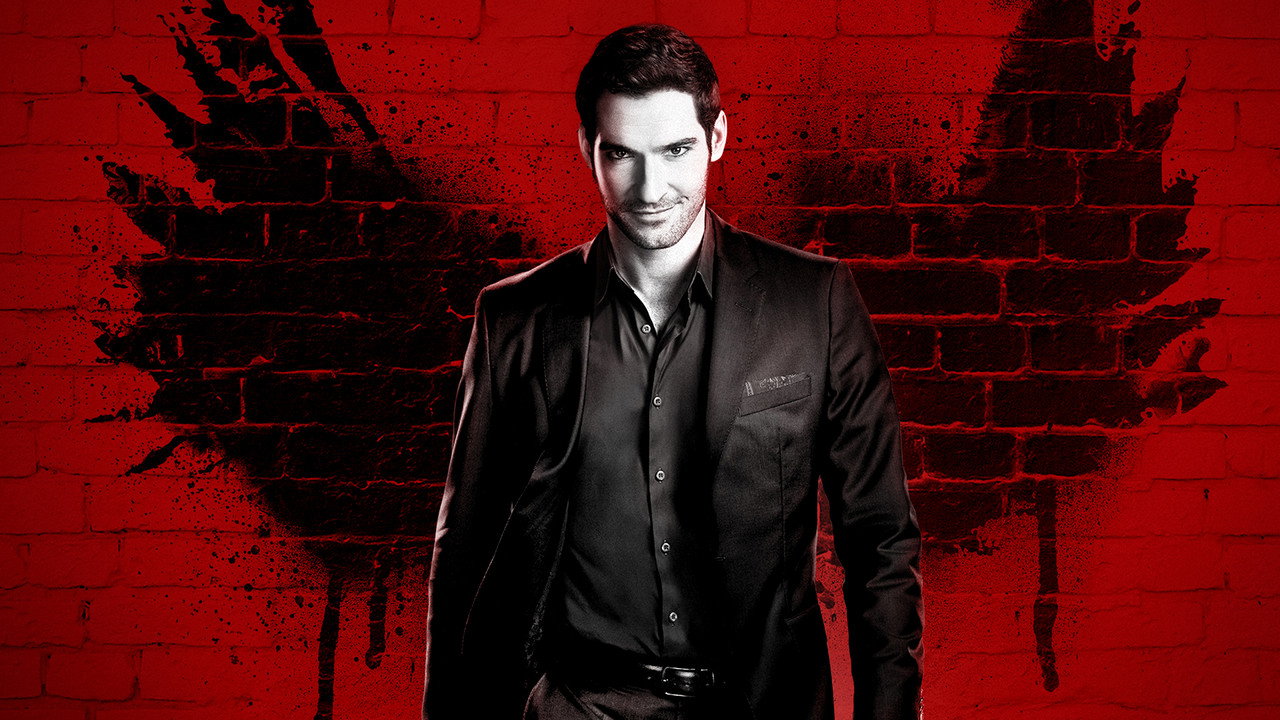
A Spoiler-Free First Look
Stepping into a long-running series can feel intimidating, especially when friends have already binged every episode and casually drop cryptic comments. This piece offers a Lucifer first look that centers on the experience of a newcomer rather than veteran fan theories. We keep the discussion Lucifer spoiler free, so you can read without fear of ruined twists or prematurely revealed character arcs.
The show arrives with a playful tagline, "It's good to be bad," and that attitude shapes the early episodes. From the opening scene in Los Angeles, California, the viewer meets a charming protagonist who openly admits his infernal origin. The camera work feels bright, the soundtrack pulses with modern pop, and the criminal cases unfold at a steady clip that never confuses.
Many streaming audiences discover this title while scrolling late at night, unsure if it respects their time or will demand an encyclopedia of prior plot. Our observation is that the narrative hooks you quickly, yet never demands prior knowledge of comic lore. That balance makes it an easy recommendation for a weekend watch or a casual weekday wind-down.
The Premise
The central idea drops the devil himself into a modern metropolis. Bored and unhappy as the ruler of Hell, Lucifer Morningstar leaves his throne behind and settles in Los Angeles. There he forms an unlikely partnership with LAPD detective Chloe Decker to solve murders and other crimes. The Lucifer 2016 sci fi formula mixes police procedural structure with supernatural elements drawn from a comic book adaptation.
Tom Ellis leads the cast as the titular character, bringing wit and vulnerability to a being traditionally painted as pure evil. Lauren German plays the grounded detective whose skepticism anchors the fantastical plots. Supporting players like Kevin Alejandro, D. B. Woodside, and Lesley-Ann Brandt expand the world without overcrowding the screen, while later additions such as Aimee Garcia and Brianna Hildebrand deepen the ensemble.
Beyond the case-of-the-week format, a slow-burning threat emerges: the longer Lucifer remains away from the underworld, the more humanity's worst elements risk escaping confinement. This backdrop gives the lighter moments subtle stakes without forcing constant darkness. Themes of identity, redemption, and choice recur as the characters navigate Los Angeles streets and confront their own histories.
Because the story is based on a comic, it enjoys freedom to bend reality. Viewers see celestial intervention alongside routine forensic work. That contrast defines the series and explains why it sits comfortably in both crime and fantasy categories on streaming menus, inviting audiences who might usually avoid one genre to sample the other.
Tone, Style and Pace
Visually, the program favors warm California sunshine and sleek nightclubs over gloomy catacombs. The humor lands through sharp dialogue rather than slapstick, and the lead's diary-style confessions add a breezy narration. If you wonder is Lucifer scary, rest assured the atmosphere stays playful; frightening imagery appears rarely and is tempered by comedy that keeps the mood light.
Episodes run with a procedural rhythm that respects busy schedules. You can watch a single installment in one sitting, yet the serialized character arcs encourage marathon sessions. The editing keeps momentum, cutting between crime scenes and personal moments without losing clarity. Music choices underscore the lighthearted defiance of the protagonist and make even tense scenes feel approachable.
Compared to heavier supernatural dramas, this one feels like a comfort watch. The violence is stylized, not gruesome, and the moral questions are posed with a wink. That tone explains why some viewers compare the vibe to other genre-blending shows while noting its unique sense of fun and its willingness to laugh at its own premise.
The pace rarely drags because each chapter answers a small mystery while teasing a larger one. Newcomers will appreciate that the early season establishes rules clearly, so later surprises feel earned rather than arbitrary. The show trusts you to keep up, which is a refreshing change from convoluted mythologies.
Should You Start It?
Deciding whether to invest depends on your mood and household preferences. A thorough Lucifer parents guide would note occasional violence but minimal graphic content, making it suitable for older teens with parental discretion. The devil motif is treated with irony, not devotion, so religious sensitivity may vary by household but rarely shocks.
If you enjoy supernatural crime, you might also enjoy Wynonna Earp, which shares a similar comic-based origin and banter-filled investigation style that keeps the stakes entertaining.
Those who prefer gritty detective stories could try Mr. Mercedes for a different flavor of suspense rooted in Stephen King territory and a more grounded criminal psyche.
Fans of anti-hero protagonists may appreciate Dexter: New Blood, though its tone is darker than this show and aims for psychological weight over comedy, offering a stark contrast in serial-killer storytelling.
The community rating sits at a strong 8.428 out of 10 across more than fifteen thousand votes, signaling broad satisfaction. For a free streaming blog audience, that consensus matters: the show delivers value without requiring a steep learning curve or expensive subscription commitment.
The Bottom Line on Lucifer
After a spoiler-light examination, the verdict is positive for viewers seeking entertainment that respects their time. The premise is absurd yet executed with enough heart to keep emotional investment. Performances stay consistent, and the writing trusts the audience to grasp mythos without exposition dumps that stall the story.
The tagline "It's good to be bad" encapsulates the appeal: we root for a protagonist who technically represents evil but behaves with recognizable human flaws. That twist on expectation fuels the long-term engagement reflected in the rating. While not every episode reinvents the formula, the cumulative character growth rewards continued viewing and invites rewatch.
Practically speaking, the series fits a free streaming schedule because you can sample one episode and stop, or devour a season in a rainy weekend. Its Los Angeles setting provides constant visual variety, from beaches to precinct offices, keeping the frame fresh and the location work a quiet character of its own.
Considering all factors, this is a low-risk addition to your watchlist. It will not overwhelm with lore, nor will it insult intelligence with empty spectacle. The blend of crime and fantasy occupies a niche that remains underserved on many platforms, and this title fills it with charm and efficiency.
Lucifer Summary
For quick reference, here are the essential points we covered:
- Title: Lucifer (2016), crime, sci-fi, fantasy.
- Lead: Lucifer Morningstar, ex-Lord of Hell, aids LAPD in Los Angeles.
- Cast: Tom Ellis, Lauren German, Kevin Alejandro, D. B. Woodside, Lesley-Ann Brandt, Aimee Garcia, Rachael Harris, Brianna Hildebrand.
- Rating: 8.428/10 from 15736 votes.
- Tone: Playful, witty, light supernatural, minimal scares.
- Source: Comic book adaptation with procedural format.
The show is a friendly gateway into genre-mixing television, letting newcomers join without homework or missing references.