Infirmary (2026): What the Bodycam Reveals
Infirmary (2026) is a bodycam horror film about a guard who vanishes at an old psychiatric hospital, and this spoiler-free look covers premise, tone and pacing.
October 15, 2026
A Spoiler-Free First Look
If you have been searching for Infirmary spoiler free previews, this piece should be safe to read before you press play. It focuses on premise, tone and pacing, not on late twists or the film's final reveal. Most Infirmary first look coverage tends to summarize every corridor and scare; here the goal is narrower. The question is not what happens in the last act, but whether the film respects the time you give it.
Infirmary runs 85 minutes and is built around a guard who disappears on his first night at an old psychiatric hospital in 2023. That is the entire setup you need going in. The rest of this article treats the movie as a viewing decision: what kind of horror it is, how it handles its found-footage premise, and which viewers will get the most out of it.
The Premise
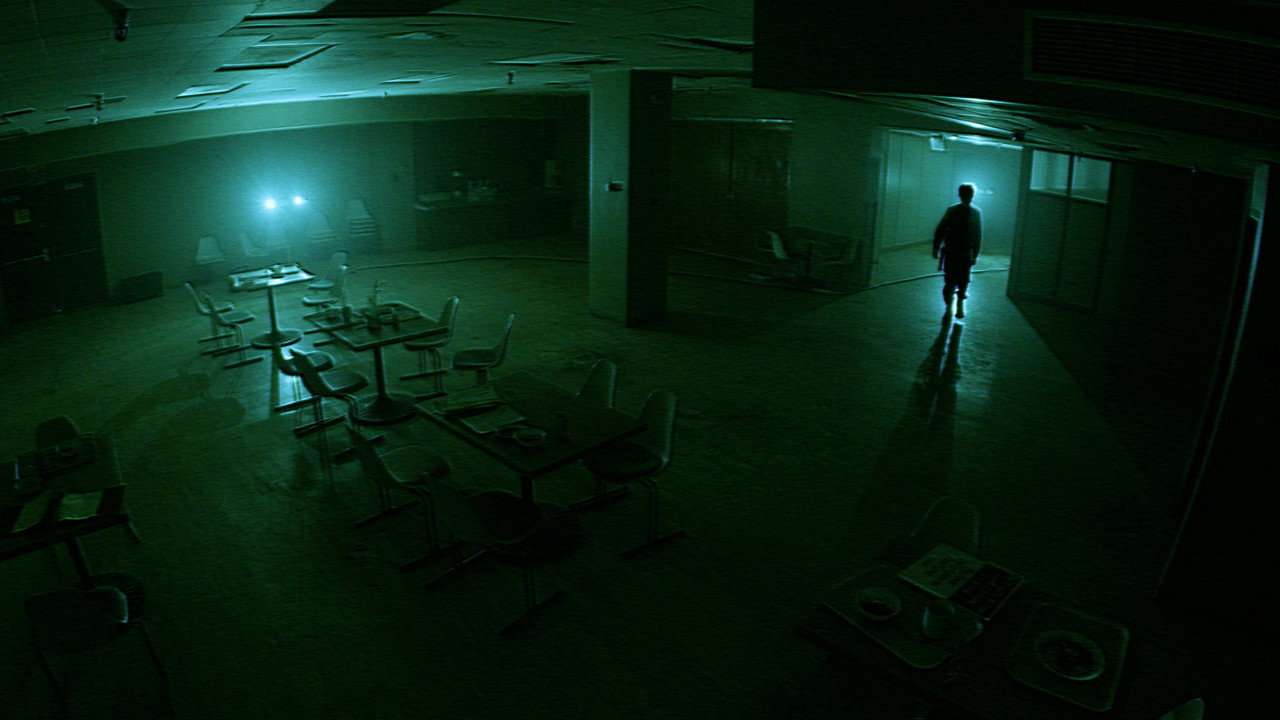
Infirmary (2026) opens from a familiar angle: a night guard takes a job at a decommissioned psychiatric hospital and vanishes. What follows is presented through bodycam material, so the camera is not simply recording events. It becomes the only guide the audience has through corridors that feel designed to confuse direction and distance. Nicholas Pineda's film asks you to accept one rule from the start: what you see is all anyone has.
Because the hospital is abandoned, almost every room carries the atmosphere of a liminal space, somewhere between function and ruin. The story is less interested in explaining the building's history than in making you wander through it. That choice will frustrate viewers who want a tidy mythology, but it also keeps the film tight. The tension comes from movement, silence and the sense that the location itself is working against the person holding the camera.
The labyrinth layout matters more than any single room. Hallways repeat, exits feel uncertain, and the footage turns ordinary architecture into a threat. That design choice fits the liminal horror label better than a traditional creature-feature structure. You are not being chased through a map you understand; you are being led through a building that refuses to feel safe.
Tone, Style and Pace
The first stretch is deliberately slow. Doors, empty halls and static-heavy footage create a paranoid rhythm, and some scenes repeat the same beat with slight variation. That patience is not filler, but it does ask you to settle into the format. If you need constant incident to stay engaged, the opening may feel like a long wait before the film makes its move.
When the scares arrive, timing does much of the heavy lifting. Several beats are predictable, yet they land because the film understands exactly when to cut, freeze or hold on a soundless corridor. That Infirmary bodycam footage framing keeps the danger close and prevents you from safely looking away. The result is tense more than gory, sinister more than loud. The question "is Infirmary scary?" is harder than it sounds, because the film works in waves rather than one sustained shock.
Should You Start It?
That depends on what you want from 85 minutes. If you enjoy found-footage horror built around a single location, the film offers a compact and atmospheric experience. If you need strong protagonists or a plot that surprises you at every turn, this may not deliver. The premise is familiar, and the characters mostly exist to move the camera forward rather than to carry an emotional story.
The most common Infirmary parents guide questions are practical: how intense the scares are, how much threat appears, and whether the format will feel too immersive. If shaky-camera tension bothers you, that format matters more than gore. The film is short enough that even if the first stretch tests your patience, the payoff arrives before it overstays its welcome.
The best approach is to watch it in a dark room with headphones, not to split attention across other tasks. The film uses quiet and framing rather than constant action, so a distracted viewing will weaken the effect. If you can give it 85 focused minutes, you will get the intended experience; if you treat it as background noise, it may feel slower than it is.
For similar viewing, Bodycam is an obvious companion if you want more bodycam-driven intensity, while Strange Harvest and Hell House LLC Origins: The Carmichael Manor may appeal if you like horror built around investigation and decaying rooms. None of those choices change the central question: do you trust a slow setup to earn its ending? Here, it mostly does.
Our Rating for Infirmary
Our rating for Infirmary is 5.4/10 based on 18 votes. That number tells you how modest the overall impression is. This is a flawed but effective piece of found-footage horror with a stronger final act than opening stretch. It does not reinvent the abandoned-hospital formula, and it does not need to. The film earns its short runtime by making the last stretch count, even when the middle asks for patience. It is not a recommendation for every horror viewer, but it is a solid pick for fans who value atmosphere over surprise.
Infirmary Fast Facts
- Title: Infirmary (2026)
- Genre: Horror
- Director: Nicholas Pineda
- Runtime: 85 minutes
- Rating: 5.4/10 (18 votes)
- Premise: A guard vanishes on his first night at an old psychiatric hospital in 2023, leaving bodycam footage that continues to baffle investigators.
- Cast: Paul Syre, Mark Anthony Williams, Danielle Kennedy, Corinna Wagner-Smith