Infinite Challenge (2005): A Satirical Twist on Reality TV
A spoiler-free first look at Infinite Challenge (2005), the pioneering Korean real-variety comedy built on silly challenges and the 3-Ds.
October 18, 2026
A Spoiler-Free First Look
Welcome to a gentle introduction for anyone curious about the 2005 Korean program that helped reshape television comedy. Our Infinite Challenge first look article is designed for viewers who have not pressed play yet, so we focus on what the series is and how it feels rather than what happens in specific episodes.
We have kept this article Infinite Challenge spoiler free from beginning to end. You will not find plot beats or outcome reveals here, only the framework that makes the show worth considering for a streaming session.
The broadcast emerged under the direction of Kim Tae-ho and carries a tagline that fans cheer aloud: "Muhann~ Dojeon!~~~" which translates roughly to a joyful cry of infinite challenge. That spirit informs every frame.
Because the series predates the modern streaming boom, its episode structure feels different from today’s polished shows. Yet that raw approach is part of the charm for newcomers seeking something unpretentious.
The Premise
Infinite Challenge has been described as the first "Real-Variety" show in Korean television history. The format borrows the challenge-driven skeleton familiar from Western reality television, yet it twists the idea until the goals become silly, absurd, or practically impossible. Rather than crowning a winner, the program lingers in the attempt.
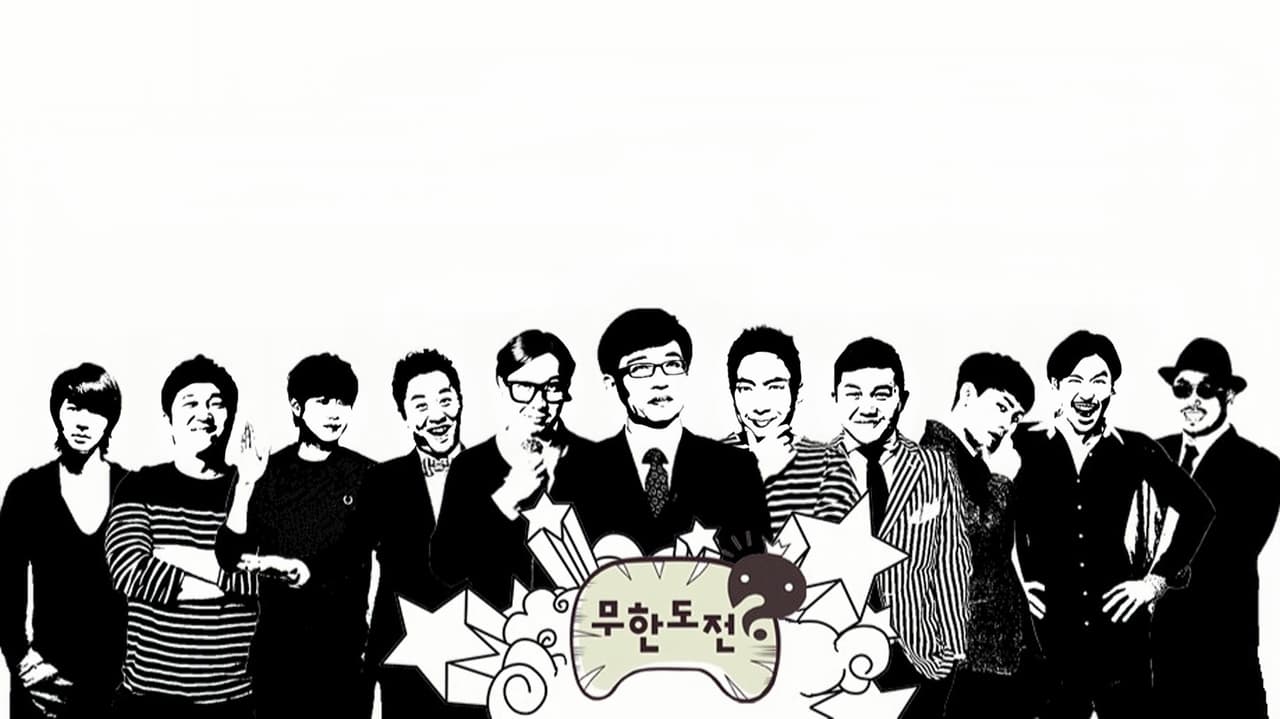
The regular cast includes Yu Jae-seok, Park Myung-soo, Jeong Jun-ha, Haha, Yang Se-hyung, Jeong Hyeong-don, Noh Hong-chul, and Gil. Together with staff they often repeat a mantra about the three Ds: Dirty, Dangerous, and Difficult. Those words signal that the humor grows from discomfort and effort rather than scripted cleverness.
Typical assignments might involve physical stunts or awkward public interactions, but the point is never mastery. The performers lean into embarrassment, which creates a shared laugh between them and the viewer.
Because the show is largely unscripted, each outing feels like a group of comedians reacting honestly to bizarre setups. If you enjoy that kind of spontaneous television, you might also like Taskmaster, a later series that also throws polite chaos at its players.
Tone, Style and Pace
The dominant mood is satirical comedy. Challenges are not meant to be solved efficiently; they are meant to be laughed at. The frequent question "is Infinite Challenge scary" gets a quick no from us. The dangerous label refers to slapstick risk, not horror, and the show never aims to unsettle its audience.
We recorded Infinite Challenge funny moments during our viewing, woven through even the most pointless tasks. The editors cut for rhythm, letting failures land as punchlines. The pace stays brisk because the format jumps from one absurd obstacle to the next without heavy narration.
For families weighing a viewing decision, our Infinite Challenge parents guide note is simple: the humor is broad, physical, and occasionally messy, but it does not rely on harsh language or disturbing content. Parents can watch alongside teens without worry about sudden tonal shifts.
Visually the show uses handheld cameras and raw locations, reinforcing the feeling that anything could happen. That rough style is intentional and supports the comedic identity.
Music cues and sound effects are used sparingly, letting the natural environment provide the comedy. This restraint keeps the program feeling like a document of real people rather than a manufactured sitcom.
Should You Start It?
If your concern is whether the series respects your time, the unscripted nature works in its favor. There is no dragged-out elimination saga; each segment ends when the joke ends. The show treats viewer attention as precious by constantly changing games.
Some viewers prefer a tighter competitive arc, and if that is your taste, Top Chef provides a structured kitchen contest with clear progression. Infinite Challenge instead offers bite-sized absurdity that you can sample freely.
Given the 7.7 out of 10 rating from a small pool of 20 votes, the title clearly speaks to a dedicated niche rather than a mass audience. That is fine; niche comedy often ages better because it commits to a voice.
The lack of a continuing story means you can jump in at any episode without feeling lost. That accessibility is a strong point for casual streaming where attention is split across devices.
Infinite Challenge: What We Thought
Approaching the program as a first-time viewer, we found the premise inviting. The absence of a rigid script means the cast’s personalities drive the entertainment, and the repeated three-D mantra gives a reliable flavor without repetition becoming stale.
The show’s respect for the audience shows in how it avoids fake tension. You are never manipulated into thinking a meaningless task matters; the comedy comes from the futility. That honesty is refreshing on a streaming binge.
For those who enjoy tracing variety show lineage, Shooting Stars offers a look at an earlier performance era, though its tone differs from the Korean real-variety model.
Infinite Challenge Explained
To sum up the concept clearly: Infinite Challenge is a reality show that pretends to be a contest but functions as a comedy variety show. The "real" part comes from unscripted reaction, while the "variety" part comes from ever-shifting silly challenges built around the three Ds.
The hosts and staff proclaim those elements—Dirty, Dangerous, Difficult—as the core ingredients. Understanding that label answers most confusion about why tasks seem engineered to fail. It is not poor production; it is the joke.
Ultimately the series stands as a pioneer of unscripted comedic television in Korea, and its tagline "Muhann~ Dojeon!~~~" remains a handshake to viewers who appreciate humor born from effort rather than outcome.
New viewers should remember that the rating of 7.7 from twenty votes reflects a small but appreciative crowd. The show’s legacy lies in how it paved the way for unscripted comedy formats across Asia.