Hello, Larry (1979): A Radio Host's Single Father Comedy
A spoiler-free preview of Hello, Larry (1979), the comedy about radio host Larry Alder raising his daughters Diane and Ruthie as a single dad.
November 6, 2026
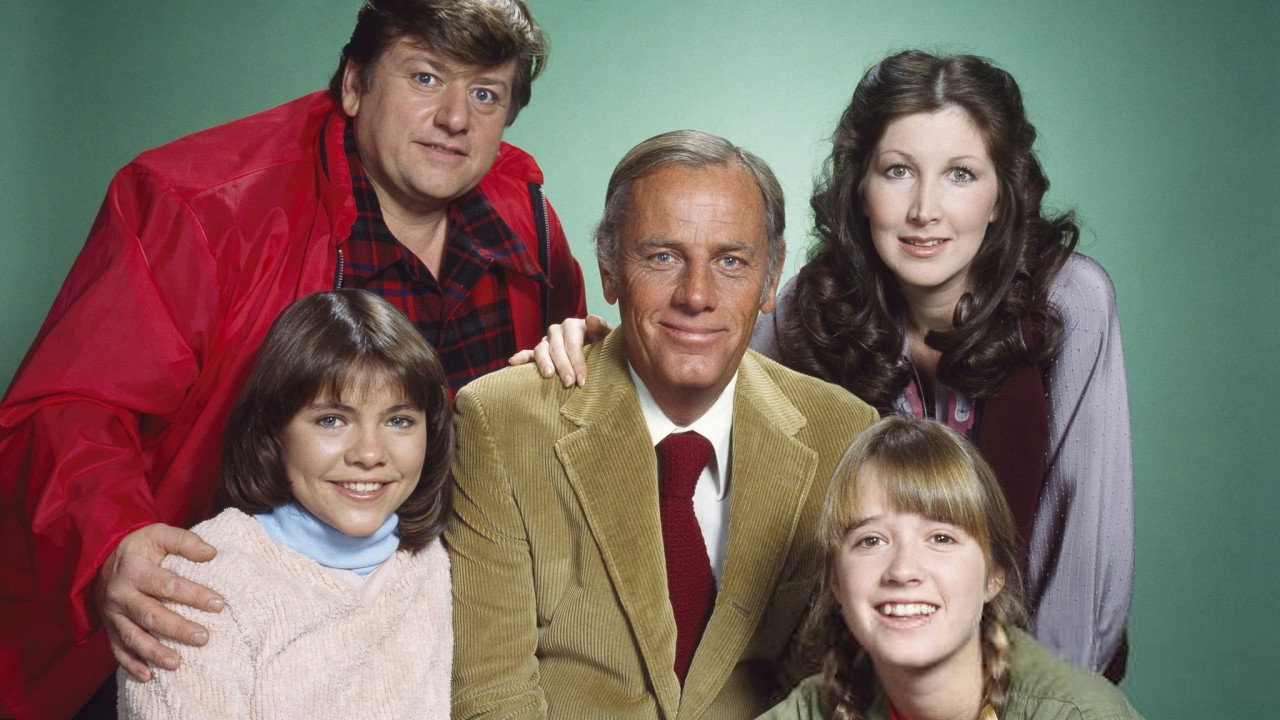
A Spoiler-Free First Look
When you scroll through a free streaming catalog and spot a title from the late seventies, it helps to know what you are getting before you press play. Our Suburgatory feature discussed how modern family sitcoms often borrow from older formats, and our preview, a Hello, Larry first look, describes a radio host who is also a dad. The series presents a gentle humor rather than edge-of-your-seat storytelling. You can approach it knowing that the creators aimed for warmth and laughter.
To be clear, a Hello, Larry spoiler free discussion means we will not reveal any plot turns beyond the basic setup. There is no need to worry about hidden twists, because the show’s foundation is an everyday domestic situation. The radio host premise sets up a workplace that feeds into home life, and that is the entire engine of the program. For viewers who simply want a calm viewing experience, this approach respects your evening.
Another benefit of a spoiler-free preview is that it lets you decide based on tone. The comedy label tells you the stakes are low. The single father raising two girls scenario implies relatable mishaps, not shocking revelations. That is a selling point for anyone tired of complex serial narratives.
The Premise
The story centers on Larry Alder, a radio host who must cope with being a single father to his two daughters, Diane and Ruthie. This show, a Hello, Larry 1979 comedy, builds its identity around that dual role. By day he speaks into a microphone; by night he manages a household. The sitcom tag confirms that the situations are crafted for laughs, often through the gap between his public persona and private responsibilities.
The cast list features McLean Stevenson at the forefront, joined by Joanna Gleason, Kim Richards, Krista Errickson, Meadowlark Lemon, Fred Stuthman, John Femia, and Ruth Brown. While we only know their involvement from the credits, the ensemble suggests a blend of family members and perhaps coworkers or neighbors. The presence of multiple actors around the central daughters hints at a community surrounding the small family unit.
Because the lead is a radio host, the theme of broadcasting naturally appears. A sitcom set in a studio or featuring on-air segments can use that environment for quick jokes. The single father keyword points to the emotional core: Larry’s challenge is balancing his job with parenting. That premise is timeless, even if the production values belong to 1979.
Tone, Style and Pace
The question is Hello, Larry scary can be answered with a simple no. The genre is comedy, and the sitcom format relies on lighthearted conflict. You will not find horror elements, suspenseful music, or frightening scenarios. Instead, the style is conversational, with characters exchanging quips in living rooms and studios.
For audiences who enjoy classic broadcast humor, The Dick Van Dyke Show offers a comparable mixture of professional and personal life, though it arrived earlier. Both programs use a job as a comedic backdrop for family moments. The pace of our featured title follows the traditional sitcom rhythm: short scenes, punchy dialogue, and a resolved problem by the end of an installment. That tempo keeps the viewing light and undemanding.
Visually, one can expect the standard look of a 1979 tape: modest sets, bright lighting, and a live audience laugh track. The style does not aim for realism but for theatrical clarity. This approach means the show respects your time, because you can drop in without prior knowledge and still follow the joke.
Should You Start It?
If you are choosing a program for a relaxed night, the Hello, Larry parents guide consideration matters. Given that the narrative revolves around a father and his daughters in a comedic setting, the content is positioned for general viewing. There is nothing in the premise to suggest mature or disturbing material. Parents can reasonably let children watch alongside them, treating it as a harmless snapshot of past family television.
Beyond suitability, the question of whether to start hinges on your patience for older formats. The show does not waste your hours with sprawling arcs. If you like the childcare-driven humor seen in My Two Dads, where guardianship creates the jokes, you will recognize the same spirit here. Starting it requires no long commitment; a single episode gives you the full flavor.
We also note that the free streaming availability lowers the risk. You can sample the premiere, decide if the laugh track grates or charms, and move on without subscription regret. That low-stakes access is part of respecting your time as a viewer.
How Good Is Hello, Larry, Really?
The numerical score currently sits at 5.2 out of 10 across five votes. Such a small pool means the rating is more a whisper than a verdict. Still, it indicates the title has not captured a large passionate audience. As a 1979 sitcom, it occupies a niche of vintage shows that appeal to collectors rather than crowds.
Quality in this context is subjective. The script likely delivers predictable but pleasant scenarios. The radio host angle gives a slight novelty, yet the single father trope is well worn. If you value historical perspective, the show earns a watch. If you demand innovative storytelling, it may feel stale. The modest rating should not scare you away, but it sets honest expectations.
We should also factor the era’s production limitations. Without modern editing or cinematic scope, the show lives or dies on performance. The cast includes seasoned performers, and their timing is the main asset. So the real measure of goodness is whether you enjoy period sitcom acting.
Hello, Larry Essentials
Here is a quick reference for the key facts:
- Year and title: Hello, Larry (1979)
- Genres: Comedy, Sitcom
- Central figure: Larry Alder, a radio host and single father
- Children: daughters Diane and Ruthie
- Featured performers: McLean Stevenson, Joanna Gleason, Kim Richards, Krista Errickson, Meadowlark Lemon, Fred Stuthman, John Femia, Ruth Brown
- Community score: 5.2/10 from 5 votes
- Core themes: radio, single father, radio host, sitcom
The essentials confirm a straightforward package. There is no hidden complexity beneath the surface. For a free streamer, that clarity is a feature, not a flaw. You know what you are clicking into, and the show delivers exactly that.
Overall, the first-look verdict is that this is a harmless, mild comedy from a bygone broadcast era. It will not shock, scare, or confuse you. If you have a soft spot for radio-themed domestic sitcoms, it deserves a casual try. Otherwise, treat it as a curious artifact of 1979 television culture.