Great Performances (1971): Television's Premier Arts Showcase
A spoiler-free overview of Great Performances (1971), the diverse TV anthology of classical music, opera, dance, and drama.
October 25, 2026
A Spoiler-Free First Look
Streaming platforms are crowded with endless titles, yet sometimes a classic anthology deserves a fresh audience. Many viewers search for Great Performances first look articles online, but our page suffices to set expectations. If you want a Great Performances spoiler free summary, you have come to the right place because we will not unpack specific staged works. Instead, we focus on what the series is and how it feels to watch.
The broadcast Great Performances 1971 featured Bray Poor among its credits, marking its place in television history. While our article stays light on details, we will circle back to practical points later. Fans of documentary style may also appreciate Real Detective, a series available in our catalog that similarly gathers standalone stories.
New viewers often worry that a long-running arts program might demand homework. That is not the case here. The design lets you sample a single recording or wander through several without losing the thread. Our approach in this write-up is to keep everything ahead of the curtain, so to speak, giving you context without diminishing the experience of discovery.
The Premise
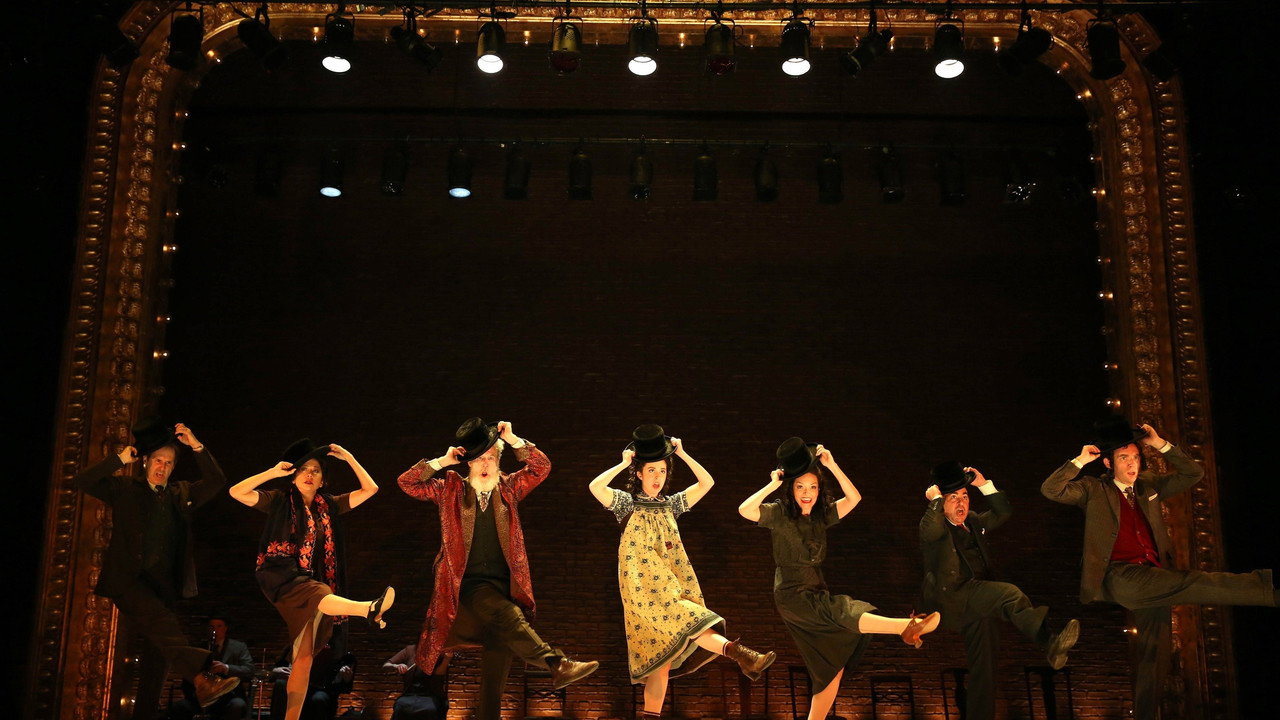
The core idea behind the program is simple: present the best in the performing arts from across America and around the world. That mandate yields a diverse programming portfolio covering classical music, opera, popular song, musical theater, dance, drama, and performance documentaries. Because it is an anthology, viewers are not locked into a single narrative arc. Instead, each presentation can draw from a based on novel or book adaptation, a based on play or musical staging, a literary adaptation, or simply filmed theater captured for television.
Main cast listings highlight Bray Poor, though the format naturally rotates performers depending on the featured art form. The blend of comedy, documentary, and drama genres means a single evening might include a light musical segment followed by a serious stage recording. This variety is the premise’s greatest strength for curious audiences.
Looking at the tagged themes, we see clear signals about source material. Entries may be rooted in a novel or book, or they may adapt a play or musical. Literary adaptation appears as a recurring label, and the notion of filmed theater suggests the camera simply documents a live stage event rather than reinventing it for the screen. That honesty about origin helps set expectations before you press play.
The absence of a listed director and a fixed runtime reflects the anthology nature. Different installments were produced under different hands and lengths, so the series behaves more like a curated collection than a uniform show. For a viewer, this means flexibility: you can treat it as a bite-sized cultural visit or a longer marathon, depending on availability.
Tone, Style and Pace
If you wonder is Great Performances scary, note the tone is reassuring because the collection is built around artistic expression rather than fright. Tone ranges from celebratory concert footage to thoughtful theatrical recordings, but none of it aims to unsettle. Style leans toward respectful capture of live events, with pacing dictated by the individual piece rather than a rigid episode length.
For those who enjoy historical documentary framing, another title in our library worth a visit is The American West, which also collects periodic portraits of culture and time. While that show differs in subject, it shares the gentle educational cadence some viewers appreciate here.
Because the program spans comedy, documentary, and drama, the emotional temperature shifts frequently. One segment might spark laughter through a musical comedy staging, while the next offers a calm dance performance. That range prevents fatigue and lets the viewer control the mood by choosing what to watch next. The visual style is generally straightforward, prioritizing clarity of performance over flashy editing.
Should You Start It?
Deciding whether to press play depends on your mood. If you prefer serialized stories with continuing characters, the anthology model may feel fragmented. However, if you value short commitments that respect your schedule, this is ideal. We consulted a Great Performances parents guide before watching with family, and it confirmed the content suits a broad age range thanks to the performing arts focus.
Another companion piece for observers of everyday life is How To with John Wilson, which you can find on our site. Though its format is distinct, it similarly offers standalone episodes that don’t demand prior knowledge.
Time respect is a key factor for modern viewers. With no overarching plot, you never feel penalized for missing an installment. The show invites casual engagement: put on a ballet excerpt while cooking, or sit down for a full opera recording when you have an open hour. That adaptability is rare and worth praising for households with mixed schedules.
Final Verdict on Great Performances
The aggregated rating sits at 6.1 out of 10 across 25 votes, a modest sample that suggests niche appeal rather than mass consensus. For viewers seeking a cultured backdrop or a gentle introduction to staged art, the show rewards curiosity. It will not overwhelm with complex lore, and it will not waste your evening if you pick a segment that matches your taste.
Given the sparse but steady reception, we see the series as a quiet recommendation rather than a blockbuster must-watch. Its value lies in enrichment and variety. If you approach it as a streaming palette of performing arts, the experience is pleasant and undemanding. The lack of a single directorial voice actually frees the content to speak for itself.
Great Performances Need to Know
Here are the essentials to keep handy before you stream:
- Original branding: Great Performances 1971 indicates the period of this version.
- Genres: Comedy, Documentary, Drama.
- Format: Anthology with themes including literary adaptation and filmed theater.
- Highlighted cast: Bray Poor.
- Rating: 6.1/10 from 25 votes.
- Programming: Classical music, opera, popular song, musical theater, dance, drama, performance documentaries.
Overall, the series stands as a low-pressure entry into performance documentation. Whether you sample one piece or browse many, the experience is designed to inform and entertain without tricks. With the internal links above, you can also explore related titles in our catalog that share the standalone episode spirit. We hope this introduction helped you decide if the curtain should rise in your home.