Godzilla Minus Zero (2026): Japan's Final Descent Into Ruin
Find where to watch Godzilla Minus Zero (2026) and see Japan's struggle end with a final threat.
October 21, 2026
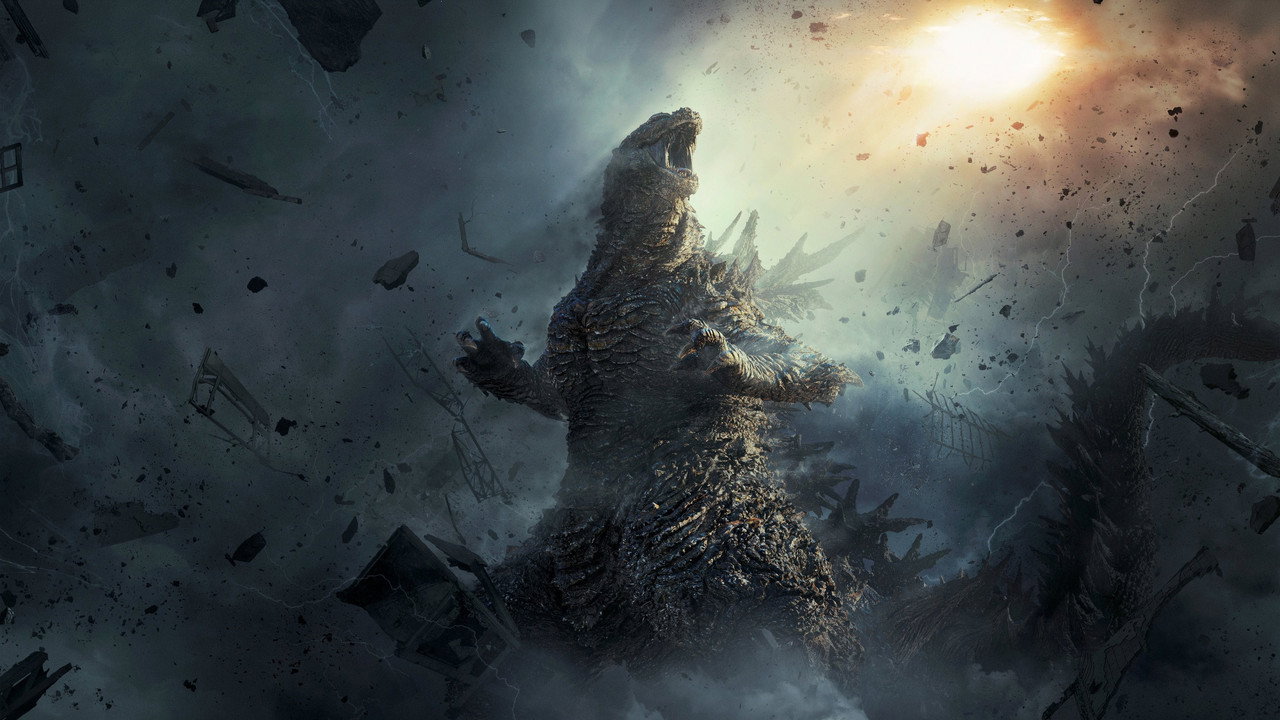
Where You Can Watch It
Finding a spot to enjoy the new kaiju sequel can be simple when you know the right corners of a free streaming site. Many fans ask where to watch Godzilla Minus Zero, and the answer is that our platform hosts it alongside other monster hits from the genre.
You might be curious about how to watch Godzilla Minus Zero on different devices. The film is presented in standard digital formats that play smoothly on smart TVs, laptops, and mobile screens without extra plugins or sign-up walls.
If you prefer browsing a wider library, note that Godzilla Minus Zero streaming is also something we highlight in regular updates, so you can keep track of availability from one dashboard and never miss a release.
Another common question is where to stream Godzilla Minus Zero when you are away from home. Our mobile-friendly player lets you pick up right where you left off, which is ideal for commutes or travel where data allows.
For those who like to plan a movie night, knowing Godzilla Minus Zero watch online options means you can invite friends over and cast the picture to a bigger display with zero cost and minimal setup hassle.
Directed by Takashi Yamazaki, this 2026 science fiction, horror, and action feature runs 135 minutes and currently shows a 0.0/10 rating from zero votes. The tagline "There is no third time. Everything ends here." sets the stage for a conclusive entry.
Because the story follows a war-reduced Japan pushed further into minus by the titular creature, the catalog places it under the tokusatsu and monster movie labels. The main cast includes Ryunosuke Kamiki, Minami Hamabe, Yuki Yamada, and others who portray the struggling survivors.
How to Get the Most Out of It
A practical viewing setup makes a huge difference for a tokusatsu production like this. Dim the lights, use a soundbar or headphones, and let the 135-minute runtime unfold without interruptions from phones or chores.
Fans of practical effects should note the director Takashi Yamazaki brings a meticulous eye to the monster movie canvas. Pairing this film with Godzilla vs. Kong can offer a fun contrast between Western and Japanese approaches to the kaiju genre, highlighting different styles of creature design.
Because the story picks up after a devastated Japan has barely recovered, it helps to watch with subtitles if you are not fluent in Japanese. The cast including Ryunosuke Kamiki and Minami Hamabe deliver performances that reward attention to quiet emotional beats.
To enhance the experience, consider the following setup tips:
- Choose a dark room to match the film's somber post-war tone.
- Enable original audio with subtitles to catch the nuance of dialogue.
- Set your display to cinema mode if available, as the color grading reflects a ruined nation's palette.
- Queue the next feature only after this one ends, since the tagline promises a definitive close.
Themes of sequel and kaiju are central, so having watched earlier entries can enrich context, but the plot summary provided on the watch page explains the reduced-to-zero backdrop clearly enough for newcomers.
Remember that the horror elements are paired with action set pieces, so a moderate volume level protects your ears during the louder monstrous sequences while keeping whispered scenes intelligible.
Runtime, Pacing and Tone
At 135 minutes, the feature is no short outing. The pacing balances quiet human struggle with sudden monstrous chaos, staying true to its science fiction, horror, and action tags.
The tagline "There is no third time. Everything ends here." signals a finality that shapes the tone. Expect a somber backdrop even when the giant creature rampages, because the plot summary shows a nation already pushed to zero before the beast arrives.
If you enjoyed older Toho entries, you might appreciate Godzilla vs. Mechagodzilla II, a film that also mixes mechanized threats with practical suit work from earlier decades, though the 2026 title updates the approach with modern tools.
The narrative spans two years of agonizing recovery after war, then a new threat strikes and crushes hope. This structure means the first act is deliberately slow, building dread rather than jumping straight into spectacle.
Viewers should pace themselves. A 135-minute runtime with heavy themes may feel longer than a typical blockbuster, but the deliberate editing serves the story of a society clinging to hard-won peace.
Tone-wise, the combination of tokusatsu aesthetics and grounded human drama creates a mood that is less celebratory than many monster movies. The rating of 0.0/10 from zero votes indicates no audience score yet, so you enter without predefined consensus.
Who This Is For
This is a solid pick for viewers who like their disaster tales grounded in recovery and resilience. The sequel angle means prior knowledge of the earlier installment helps, but the plot recap of war-torn Japan makes it accessible.
People who prefer lighthearted popcorn flicks may find the horror elements heavy. Yet action fans will get set-piece spectacle, and Terminator 3: Rise of the Machines viewers will recognize a similar apocalyptic urgency in the narrative beats, even if the creatures differ.
The main cast, featuring Yuki Yamada, Kuranosuke Sasaki, Jun Kunimura, Miou Tanaka, Sakura Ando, and Masami Nagasawa, gives the human side weight that genre enthusiasts can appreciate beyond the giant set pieces.
If you are introducing someone to kaiju cinema, this title works as a severe entry point that shows the genre's capacity for tragedy. It is not a children's cartoon; the godzilla name here carries the weight of national trauma.
Conversely, longtime fans of monster movie cycles will enjoy spotting the tokusatsu influences and the deliberate call-backs to practical effects heritage within a modern production framework.
Godzilla Minus Zero: The Bottom Line
Overall, this 2026 release from Takashi Yamazaki stands as a concentrated kaiju experience. With a 0.0/10 rating from zero votes at launch, it's a fresh title waiting for audience scores, so your watch counts toward its future standing.
The combination of tokusatsu style and modern digital compositing makes it a noteworthy monster movie for streaming audiences. Whether you settle in alone or with friends, the experience is built for home viewing on our platform.
Given the themes of sequel, kaiju, monster movie, godzilla, and tokusatsu, the film ties together a reverence for tradition with a forward-looking stance. The tagline leaves no doubt that the story aims to conclude a chapter rather than extend it.
We suggest treating it as an event viewing: clear your schedule for the full 135 minutes, prepare a comfortable seat, and resist the urge to multitask during the quieter scenes that build to the climax.
Godzilla Minus Zero Explained
The premise is straightforward: war reduced Japan to zero, and Godzilla plunged it into minus. Two years later, fragile peace is shattered by a new threat, echoing the tagline that there is no third time.
This closes a chapter rather than opening one, so think of it as a definitive entry in the godzilla line. The themes of sequel and kaiju are woven into a story about a society that has already lost everything once and faces the end again.
By understanding the backdrop, you'll better appreciate why the film avoids typical heroics and instead focuses on survival against impossible odds. The cast portrays ordinary people amid extraordinary devastation, guided by director Yamazaki's restrained camera.
In short, the plot summary tells of agonizing struggles to reclaim daily life, then a crushing blow that eliminates hope. The title's math metaphor underscores a state below rock bottom, which informs every directorial choice in this 135-minute feature.