Doctor Who (1963): A Time Lord's Mission to Right Wrongs
Newcomers get a spoiler-free first look at Doctor Who (1963) to judge if it deserves their time.
October 18, 2026
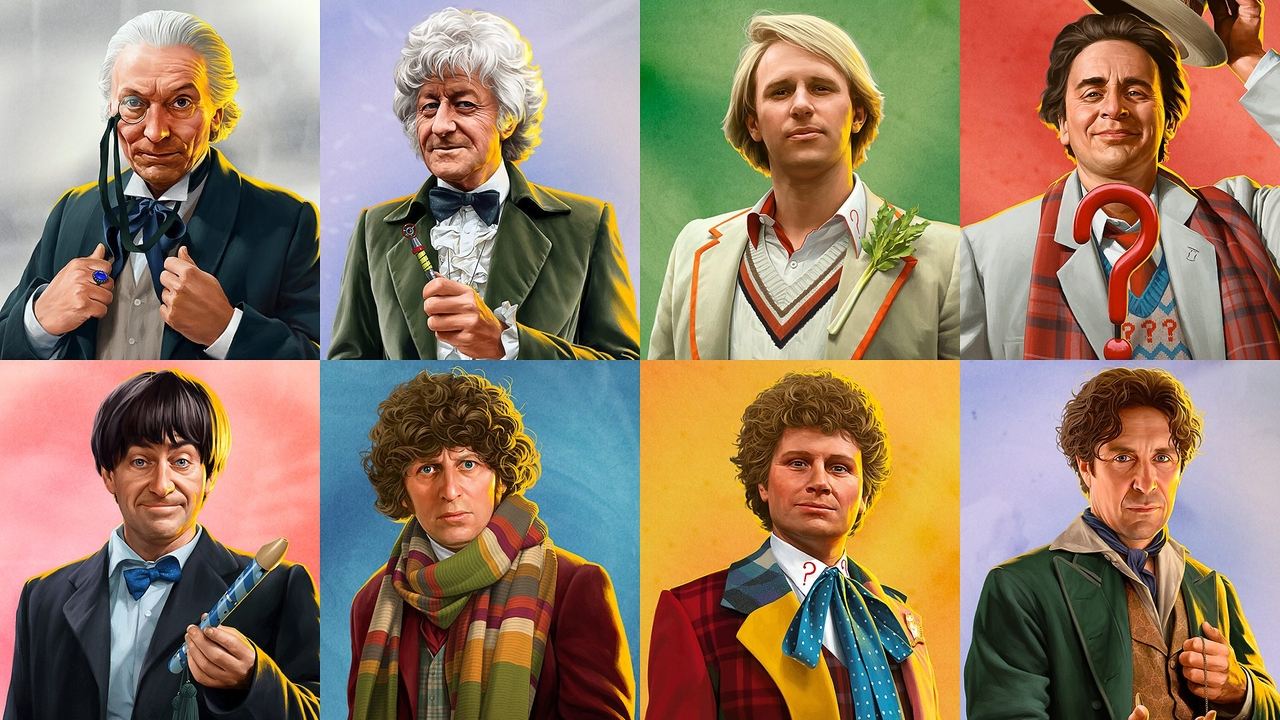
A Spoiler-Free First Look
Stepping into a decades-spanning television phenomenon can feel intimidating, so we put together a gentle orientation. We provide Doctor Who first look content for newcomers who simply want to know whether the show respects their time before committing to a binge. Our writing keeps a Doctor Who spoiler free promise, meaning we will not unravel the identities of recurring menaces or reveal how specific journeys resolve.
The entry we are covering is the original 1963 broadcast that started everything. It arrived at a moment when a blue police box was still a familiar sight on British streets, and that everyday object became the gateway to infinite worlds. For viewers seeking a calm introduction, this approach allows you to sample the tone without fear of having key twists spoiled. The genres listed for the series mix drama, action and adventure, plus science fiction and fantasy, which tells you the mood swings between quiet conversation and lively escapade.
We understand that many first-time streamers worry about committing hours to an old program. Rest assured, the format is welcoming. Each serial offers a contained arc, so you can pause and reflect. Our goal with this piece is to help you decide, not to overwhelm with lore.
The Premise
At its core, the program follows a wandering humanoid alien who goes by the title of The Doctor. He belongs to a species called Time Lords and travels through the cosmos in a vessel named the TARDIS. That ship is sentient and capable of jumping to any point in space or history. The Doctor Who 1963 episodes introduced this concept by showing a craft that looks like a small blue cabin on the outside yet holds vast interior halls.
Along the way, the central figure picks up a rotating group of companions, ordinary people who join the adventure and provide a relatable viewpoint. Together they confront a wide array of opponents, from mechanical tyrants to historical figures rewritten by interference. The mission across the run is consistent: save civilizations, assist everyday citizens, and correct injustices that ripple across timelines. This blends space adventure with a humane agenda.
Because the format is a serial, stories unfold in chapters rather than standalone films. This structure lets the narrative explore space travel, parallel universes, and even historical revisionism without leaving the same beloved framework. Themes of reincarnation appear through the notion of regeneration, where the lead can renew his form yet keep his essence. The credited main cast includes Sylvester McCoy and Sophie Aldred, performers who embody the companion dynamic that keeps the fantasy grounded.
The rating of seven point nine out of ten across seven hundred twenty-eight votes signals that audiences appreciate the mix of ideas and heart. While the runtime per chapter varies, the consistent tone is one of curiosity. You are invited to view the universe as a puzzle rather than a battlefield.
Tone, Style and Pace
Given the vintage, the rhythm is talkative and ideas-driven rather than reliant on spectacle. Some ask is Doctor Who scary, and the honest answer is that certain monster designs and tense corridors may unsettle younger kids, but the overall mood is adventurous. The show balances drama with action, often letting clever negotiation defeat a threat instead of force. This restraint makes the experience feel intelligent rather than loud.
Production values reflect the era, yet the creativity behind sets and effects remains impressive. A lunar landscape produced years before actual moon landings shows the team's ambition. The pace of each serial allows characters to breathe, making the viewing respectful of your attention span rather than demanding constant adrenaline. You will notice a psychotronic charm, a cult-like willingness to get weird with alien biology and time loops.
For families, we also offer Doctor Who parents guide notes: violence is mild, the alien concepts are fantasy-based, and the moral lessons are clear. That makes the series suitable for a broad audience, though very small children might find a few creatures eerie. The combination of wonder and gentleness is a large part of the show's lasting appeal.
Should You Start It?
If you enjoy thoughtful sci-fi that values wit over weapons, this is a strong candidate. The rating mentioned earlier suggests a warm reception from those who have watched. Starting with the early serials gives you the purest taste of the original pitch, and you can always branch outward later into newer interpretations.
Consider your patience for older television grammar. The episodes are shot on limited stages, and the editing is methodical. However, the reward is a deep well of imagination where space adventure meets humanistic problem solving. If that sounds like a fair trade, then press play without hesitation. The show respects your time by delivering self-contained arcs that rarely overstay their welcome.
Another point in its favor is accessibility. Because the TARDIS can land anywhere, you do not need prior homework. A new viewer can jump in, meet the Doctor, and understand the stakes within a single story. That low barrier is rare for a long-running saga.
Our Take on Doctor Who
We came away impressed by how fresh the central idea remains. A sentient ship, a curious alien, and a commitment to helping the powerless create a template that still feels modern. The performances, including those from Sylvester McCoy and Sophie Aldred in the broader catalog, remind us that the heart of the show is character partnership. The writing trusts the audience to handle concepts like parallel universe shifts and ethical dilemmas.
For those who want a continuation, Doctor Who (2024) revisits the same mythos with contemporary polish. Meanwhile, if you crave a different flavor of space fellowship, Firefly (2002) delivers a ragtag crew western vibe that pairs well with this one. Additionally, Farscape (1999) offers bizarre alien biology and serialized storytelling for the brave explorer.
The enduring lesson is that good science fiction respects the viewer's intelligence. This program earns its longevity by trusting audiences to ponder time travel and moral choice rather than simply showcasing explosions. It is a serial that wears its humanity on its sleeve, even when the setting is galaxies away.
Doctor Who Essentials
To navigate the catalog, keep a few touchstones in mind. The following points summarize what to expect from the original run:
- A blue police box that hides a massive interior, anchoring the space travel premise.
- Stories built as serial chapters, often blending historical revisionism with alien contact.
- Recurring themes of regeneration, showing that change can be a strength rather than a loss.
- Companions who ground the fantastical elements in ordinary perspective.
- A tone that mixes drama, action, adventure, and fantasy without losing its moral center.
Whether you treat the series as a cultural artifact or a weekend binge, the core invitation is open. Sample a few chapters, gauge your comfort with the style, and let the TARDIS lead you somewhere unexpected. The journey remains one of the most inviting entry points into classic television science fiction.