Dexter's Laboratory (1996): A Boy Genius and His Sister
A spoiler-free first look at Dexter's Laboratory (1996), covering the premise, tone, and whether this animated comedy is worth starting.
November 12, 2026
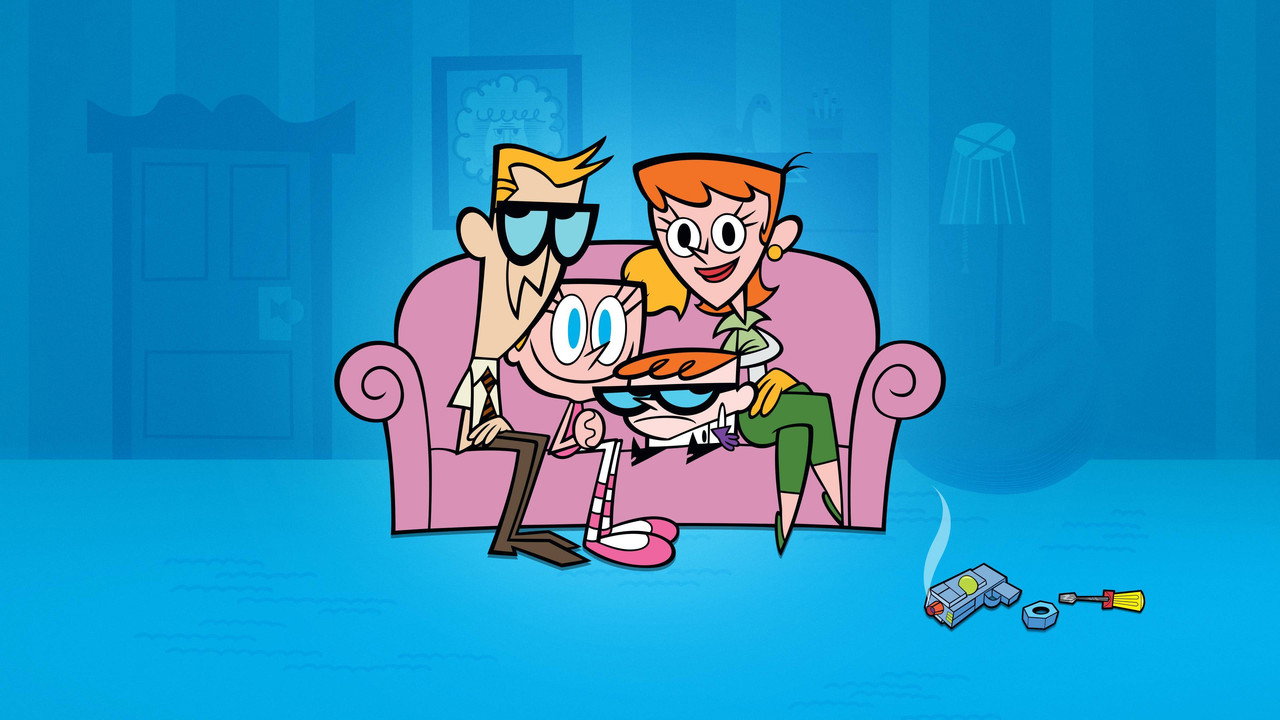
A Spoiler-Free First Look
Some cartoons age into comfort food, and this one has been serving that role since the mid-nineties. If you are browsing for something to put on without committing to a serialized epic, a Dexter's Laboratory spoiler free pass is easy to pull off here, because the show runs on short, self-contained stories rather than a mythology you have to track. This first look is written for anyone who has never pressed play and wants to know what they are walking into before the theme music starts.
The Premise
The setup is simple enough to explain in a breath. Dexter is a small boy with a very large brain and an even larger secret lab hidden inside his suburban house. He builds robots, mixes chemicals and conducts experiments, and he would get away with all of it if his older sister Dee Dee would just stay upstairs. She never does. She wanders in, touches things, breaks things and treats his life's work like a playroom, and no lock he invents ever holds her for long.
There is also a rival: Mandark, the neighbor kid with his own scientific ambitions and a grudge that runs deep. Their rivalry gives the series a second engine beyond the sibling chaos, so episodes swing between home-base disasters and playground-level genius wars. It is worth noting that the show never leans on a serialized mystery, so you can drop in anywhere and still follow along. Viewers who enjoy that kind of episodic inventiveness often go on to try Johnny Test, which shares the same busy, gag-forward energy.
Tone, Style and Pace
The rhythm is quick and loud by design. Each segment is short, builds to a visual punchline and resets, which means the show rarely asks much of your evening. The comedy comes from contrast: Dexter's clipped, formal way of speaking against Dee Dee's bubbly interruptions, and the sheer scale of the machinery he keeps behind a bookshelf. The art is bright and chunky, all rounded shapes and oversized buttons, and the lab itself is treated as a playground of glowing panels and levers.
One question parents tend to raise is is Dexter's Laboratory scary for younger viewers. In practice, the threats stay cartoonish, more silly than menacing, and the tension comes from slapstick mishaps rather than genuine dread. There are no lingering scares and nothing designed to unsettle a child. A handheld gadget might grow teeth for a punchline, but the show always returns to the safety of the living room.
Should You Start It?
If you have a spare half hour, yes, and you will know within one segment whether the humor lands for you. The show respects your time in a very practical way: no episode demands that you remember what happened last week, and there is no cliffhanger forcing you onward. That makes it a good fit for background viewing, for a quick wind-down, or for a household where different ages are watching together.
It is also, by any reasonable reading, Dexter's Laboratory kid friendly. The conflict is mischief rather than malice, the siblings bicker but clearly care about each other, and the worst outcomes involve a broken invention or a bruised ego. Adults may find the sibling dynamic funnier than the children do, which is usually the mark of a cartoon built to last. Anyone mapping out a family viewing session can treat the Dexter's Laboratory parents guide side of things as settled: mild slapstick, no real peril, and nothing that needs explaining afterward.
What We Think of Dexter's Laboratory
As a Dexter's Laboratory first look, the honest summary is that this is comfort television with a brain under the hood. The premise is thin on paper and works because the execution is confident: sharp timing, strong vocal performances and a lab that keeps finding new ways to malfunction. The cast, including Candi Milo, Kat Cressida, Jeff Bennett and Kath Soucie, gives the characters distinct voices that carry the jokes even when the animation is doing the heavy lifting.
It will not change how you think about animation, and it is not trying to. What it offers is consistency, a reliable half hour that knows exactly what it is. If the show clicks with you, there is a whole shelf of similar titles waiting; fans of kid-inventor stories with a team around them might also enjoy Big Hero 6 The Series, which takes the gadget-building premise in a warmer, more serialized direction.
Where it stumbles is repetition. The Dee Dee-breaks-in formula is the whole engine, and once you have seen a handful of episodes you have effectively seen the shape of all of them. That is fine for casual watching and less fine for a binge. Treat it as a snack rather than a meal and it holds up nicely; try to marathon it and the seams start showing. For something with a similar chaotic streak but a spookier coat of paint, Evil Con Carne is a reasonable next stop.
Dexter's Laboratory Fast Facts
- Release year: 1996
- Genres: Animation, Comedy, Sci-Fi & Fantasy
- Voice cast: Candi Milo, Kat Cressida, Jeff Bennett, Kath Soucie
- Core themes: family, sibling rivalry, invention, a boy genius and his robot helpers
- Premise: a secret laboratory, a nosy sister and a scheming neighbor named Mandark
- Viewer rating: approximately 7.7 out of 10 from close to a thousand votes
- Best for: short, standalone episodes rather than long-form storytelling
Few shows ask as little of a new viewer and give back as consistently. If the pilot segment makes you smile, the rest of the series will too, and if it does not, you have lost only a few minutes finding that out.