Democracy Now! (2001): Inside the Independent News Hour
A guide to Democracy Now! (2001), the daily nonprofit news hour: where to watch it, its pacing and tone, and who it is really for.
November 10, 2026
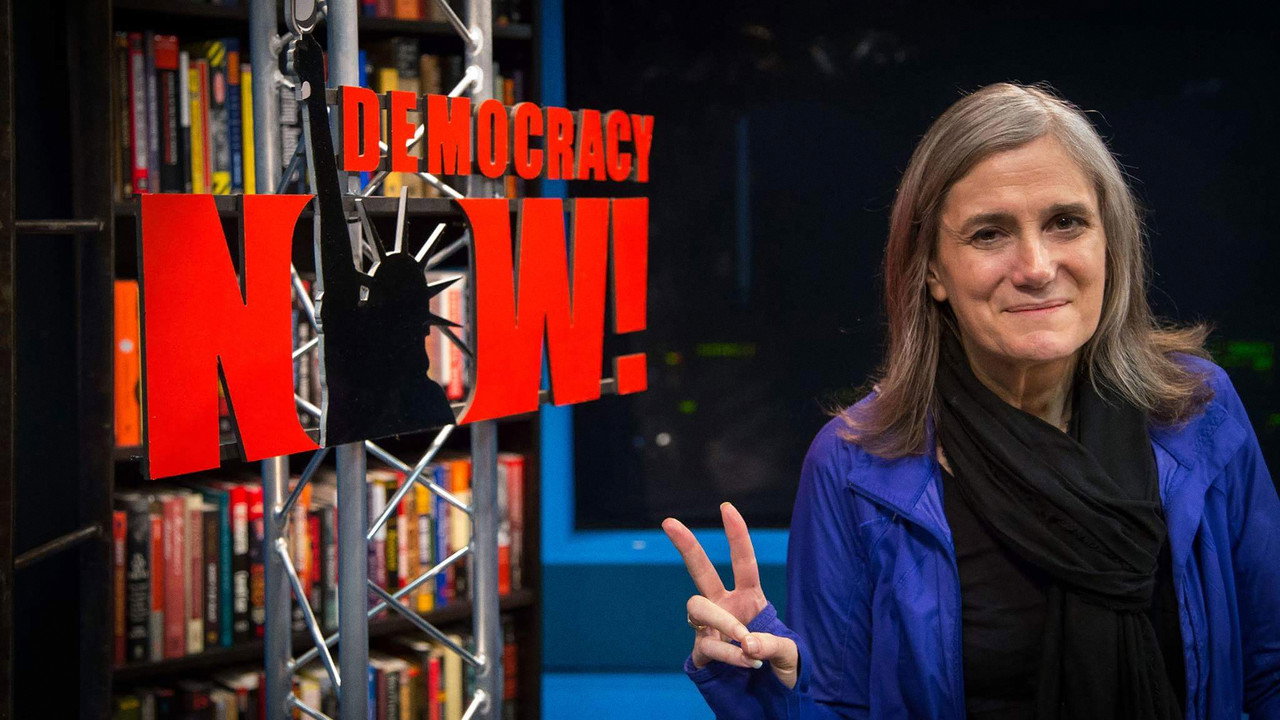
Where You Can Watch It
Democracy Now! has an unusual distribution model for a television program, and that shapes the whole question of where to find it. It is a daily, nonprofit, independently syndicated news hour produced in the United States, which means it does not sit behind a single paywall the way most modern shows do. Instead, it circulates through public, community and educational broadcasters, and it also reaches audiences through its own independent channels. If you are figuring out where to watch Democracy Now!, the practical answer is that you have more than one legitimate route, and the right one depends on whether you prefer a scheduled broadcast or on-demand viewing.
The program is anchored by Amy Goodman and Juan Gonzalez, and new editions are assembled every weekday. That daily rhythm matters when you are planning your viewing: there is always a fresh episode to find, but there is also a deep back catalogue of past broadcasts. Viewers who want a fixed appointment can follow a station schedule, while those who prefer flexibility will want the archived editions. Either way, the show is designed to be accessible rather than exclusive, so you should not expect a complicated sign-up process just to watch a news hour.
How to Get the Most Out of It
Before you settle in, decide what kind of viewer you are. If you like context, start with a single full episode rather than jumping between clips, because the program builds its analysis across segments and the through-line is easier to follow when you watch in order. If you are short on time, the individual interviews and reports stand reasonably well on their own. Learning how to watch Democracy Now! well is mostly about matching the format to your attention span on a given day.
It also helps to treat the show as a companion to other documentary and current-affairs viewing rather than a replacement for it. Audiences who enjoy long-form historical context often pair a daily news program with something like The World at War, which offers the kind of deep background that makes a single news segment land differently. Alternating between the two keeps the daily reports from blurring together.
Practical setup matters too. Because this is a talk-and-analysis format driven by conversation, clear audio is more important than a huge screen. Headphones or a decent soundbar will do more for your experience than a bigger display, since much of the value is in what guests say rather than in visuals. If you watch on a laptop, keep a second window open for notes or follow-up reading; the show rewards curiosity.
Runtime, Pacing and Tone
The tone is calm and deliberate. This is a news, analysis and opinion program, so expect extended interviews, measured discussion and a progressive editorial perspective rather than rapid-fire headlines. There is no dramatic scoring and no cliffhangers; the pacing is conversational, which means it works well as background listening for some viewers and demands full attention from others.
If you are used to tightly edited streaming documentaries, the rhythm may feel slow at first. Give it two or three episodes. Once you adjust, the longer segments become the appeal rather than the obstacle. Viewers who want a tighter, more visual treatment of similar subject matter might sample World War II in Colour to see how the same broad themes play in a more produced format, then return to the news hour for the current-day analysis.
Who This Is For
This is for people who want a daily dose of independent, globally minded reporting and who are comfortable with a clearly stated point of view. It suits students, researchers, activists and anyone who follows world news closely and wants more depth than a headline feed provides. It is less suited to viewers looking for neutral wire-service summaries or fast entertainment.
If you are assembling a viewing diet around global affairs, Democracy Now! streaming fits neatly alongside other international news programming. A show like BFM Story can round out the picture by showing how another country's broadcasters frame the same stories. Watching more than one perspective is the whole point of a program built on independent journalism.
How Good Is Democracy Now!, Really?
On a purely statistical level, the program carries a modest audience rating of 6.9/10 from a small sample of seven votes, so treat that number as a rough signal rather than a verdict. Its reputation rests less on scores and more on its consistency: a daily, nonprofit, independently syndicated production that has kept the same basic mission for years. For a news program, longevity and reliability count for more than a rating.
Whether it is "good" depends on what you want from a news hour. If you value editorial independence and sustained analysis, the format delivers. If you want spectacle, look elsewhere. Many viewers find that where to stream Democracy Now! is the only real friction point, and once that is solved, the show earns its place in a weekly routine.
Democracy Now! Recap
Here is the short version. It is a daily progressive news and analysis program hosted by Amy Goodman and Juan Gonzalez, syndicated independently and built for viewers who want context rather than headlines. Find it through public and community broadcasters or its own on-demand archive, watch full episodes for the best experience, and keep the audio quality high.
If you are searching for Democracy Now! online free, the good news is that its nonprofit, independent structure is designed around public access, so there is no steep barrier to entry. Give it a few episodes, pair it with complementary documentaries, and judge it on whether it broadens your understanding of the day's events. For a news hour with a clear voice and a long track record, it is worth the small effort of finding your preferred way to watch.