Dark Shadows (1966): The Birth of Barnabas the Vampire
Dark Shadows (1966) is a gothic ABC soap that transformed from a grounded family drama into a supernatural sensation with vampires and ghosts.
October 22, 2026
A Spoiler-Free First Look
Dark Shadows is an American gothic soap opera that first aired on the ABC network on June 27, 1966, and ran until April 2, 1971. For viewers curious about a Dark Shadows first look without any ruined surprises, it is best to know that the series began as a fairly grounded family drama before gradually embracing the strange. The original story bible, written by Art Wallace, contained no mention of supernatural elements at all. About six months into the broadcast, ghosts were introduced, which was unprecedented for daytime television. That slow burn is part of the show’s charm.
Our Dark Shadows spoiler free impression is that the early framework centers on a large family estate and the interpersonal tensions among its residents. The tagline “Necking in the afternoon” hints at the romantic soap opera currents that flow beneath the eerie surface. Created by Dan Curtis, the program gathered a modest but dedicated audience before its vampire storyline changed everything.
The program sits at the crossroads of Drama, Sci-Fi & Fantasy, and Soap, a combination that explains its unusual trajectory. With a user rating of 7.3 out of 10 across 96 votes, it maintains a quiet credibility among dedicated viewers. The lighthearted tagline contrasts with the gloom that later defines the mansion setting.
If you enjoy supernatural serials that evolved from humble beginnings, you may later want to explore Buffy the Vampire Slayer (1997), which also blends monster lore with personal drama in a very different era.
The Premise
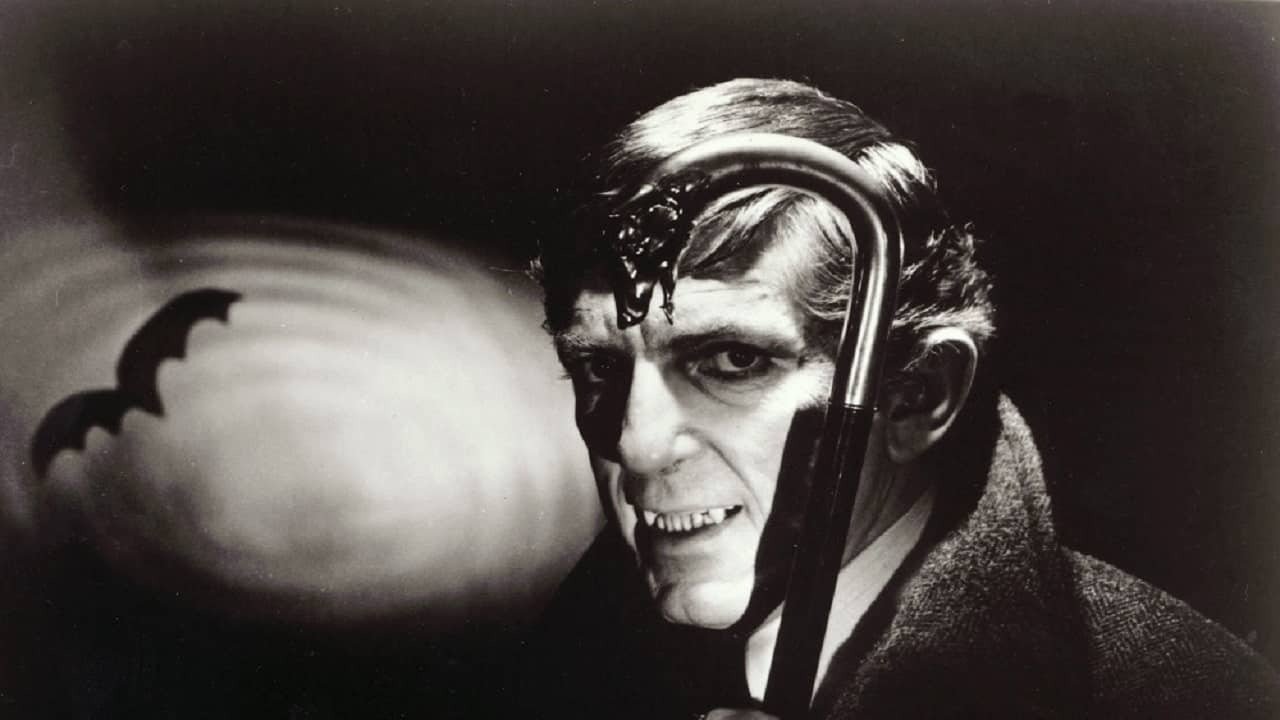
The premise of Dark Shadows revolves around the inhabitants of a mansion and the secrets tied to their family estate. When the show started, it followed the structure of a typical daytime soap, focusing on relationships and inheritances. That familiar template shifted dramatically when Barnabas Collins, a vampire, entered the narrative a year into the run. His arrival turned a struggling program into a cultural phenomenon. Beyond vampirism, the writers expanded the universe to include werewolves, zombies, man-made monsters, witches, warlocks, a parallel universe, and even Dark Shadows time travel. These additions kept the format fresh across five years of weekly episodes.
Because the production used a small company of actors, many cast members played several roles over time. As performers came and went, certain characters were portrayed by more than one actor. Major writers besides Art Wallace included Malcolm Marmorstein, Sam Hall, Gordon Russell, and Violet Welles, each leaving a mark on the show’s mythology.
The compact troupe meant that familiar faces reappeared in new guises; for example, the main cast list includes Jonathan Frid, Grayson Hall, Nancy Barrett, David Selby, Joan Bennett, Lara Parker, David Henesy, and Kathryn Leigh Scott, and several of these performers took on multiple roles as the saga expanded. This theatrical approach gives the soap a staged quality that complements its gothic horror leanings.
Viewers who appreciate anthology style frights might find a companion in The Ray Bradbury Theater (1985), a series that also brings literary supernatural ideas to the screen with a restrained touch.
Tone, Style and Pace
The tone of Dark Shadows is a hybrid of gothic horror and melodramatic soap opera. Visuals favor dimly lit mansion interiors, crumbling mausoleum settings, and an overall haunted atmosphere. Themes of curse, ghost, and supernatural intrusion are woven through the later chapters. A common question from newcomers is Dark Shadows scary in a way that holds up today? The answer is that the series builds dread through suggestion and music rather than graphic moments. Its brand of gothic horror relies on mood, slow revelations, and the unease of a family estate hiding terrible secrets.
Recurring motifs such as a curse hanging over the family estate, a nearby mausoleum, and restless ghost sightings anchor the supernatural side. The werewolf and vampire threads intertwine with the haunted halls to create a sustained mood rather than sudden shocks.
Pace is typical of 1960s daytime television: episodes are short, aired weekdays, and unfold with the patient rhythm of a soap. For modern audiences worried about respect for their time, the early installments may feel slow, but the introduction of supernatural creatures rewards patience. The acting style reflects the era, with theatrical line delivery that suits the haunted manor backdrop.
For those who prefer mystery with a lighter footprint, Nancy Drew (2019) presents a more contemporary investigative tone while still dabbling in the uncanny.
Should You Start It?
If you are deciding whether to invest your viewing hours, consider what you expect from a vintage supernatural serial. Dark Shadows respects its audience by developing characters before unleashing monsters, which means the first weeks are more about family tension than horror. A practical Dark Shadows parents guide would note that because the show aired in daytime slots, the scares are implied rather than explicit. This makes it accessible to older children, though the convoluted plotlines are best appreciated by teens and adults.
Because the narrative eventually spans a parallel universe and features warlocks alongside witches, the long-term scope is broader than a standard soap. That breadth may reward patient viewers who like interconnected mythologies.
The ensemble cast includes Jonathan Frid as the iconic vampire, alongside Grayson Hall, Nancy Barrett, David Selby, Joan Bennett, Lara Parker, David Henesy, and Kathryn Leigh Scott. Their commitment sells the bizarre premises, from witch covens to parallel worlds. If you enjoy stories where a curse lingers over a mansion for generations, you will likely find the journey worthwhile.
The Verdict on Dark Shadows
Overall, Dark Shadows stands as a fascinating experiment in daytime programming. Its 7.3 out of 10 rating from a modest vote pool reflects a cult following rather than mainstream dominance, but the show’s influence on vampire and gothic television is undeniable. The blend of soap opera intimacy with supernatural expansion created a template later series would borrow. While the production values are dated, the storytelling ambition remains engaging. For viewers who prize atmosphere over action, the series earns its reputation as a gentle yet persistent haunt.
Whether you approach it for the vampire lore, the witch narratives, or the unusual Dark Shadows time travel arcs, the show offers a slow but rewarding descent into a haunted family estate. It never wastes time on empty spectacle, instead letting the supernatural creep in through familiar domestic conflicts.
Dark Shadows may not boast massive vote counts, but its 96 ratings show a consistent appreciation. The collision of everyday soap conflicts with entities like zombies and man-made monsters remains a bold television experiment. For a free streaming audience seeking something historically curious, the show delivers a restrained but immersive dive into gothic horror.
Dark Shadows Fast Facts
- Title: Dark Shadows (1966)
- Genres: Drama, Sci-Fi & Fantasy, Soap
- Original network: ABC, weekdays from June 27, 1966 to April 2, 1971
- Creator: Dan Curtis
- Story bible writer: Art Wallace (no supernatural in initial plan)
- Notable addition: Ghosts introduced about six months in, vampire Barnabas Collins one year in
- Supernatural elements: werewolf, zombie, man-made monster, witch, warlock, parallel universe, time travel
- Tagline: “Necking in the afternoon.”
- Rating: 7.3/10 from 96 votes
- Main cast: Jonathan Frid, Grayson Hall, Nancy Barrett, David Selby, Joan Bennett, Lara Parker, David Henesy, Kathryn Leigh Scott
- Additional writers: Malcolm Marmorstein, Sam Hall, Gordon Russell, Violet Welles
- Themes: vampire, supernatural, curse, mansion, werewolf, gothic horror, mausoleum, ghost, family estate, haunted
We hope this Dark Shadows spoiler free walkthrough helps you decide. The question of is Dark Shadows scary can only be answered by your own taste, but the atmosphere is undeniably brooding.