CSI: Crime Scene Investigation (2000): Inside the Forensic Squad
A spoiler-free first look at the Las Vegas forensic team that solves crimes by collecting irrefutable evidence.
October 18, 2026
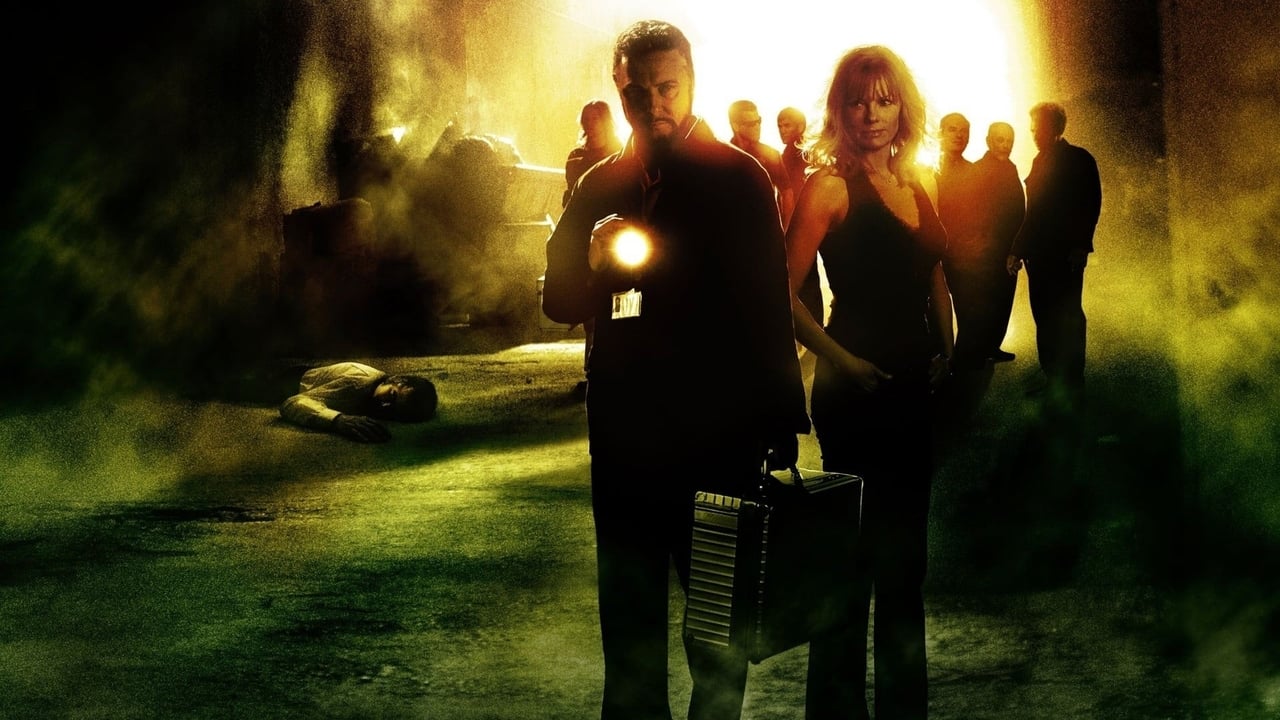
A Spoiler-Free First Look
Welcome to a fresh viewing guide for anyone who has yet to press play on the long-running crime drama that premiered in the year 2000. We know how daunting it can be to approach a show with a massive episode count, especially when you only have a few free hours in the evening. This CSI: Crime Scene Investigation first look aims to respect your time by skipping plot reveals and focusing on what the series feels like from the outside.
Our promise to readers is simple: we keep things vague about specific cases. The goal of a CSI: Crime Scene Investigation spoiler free discussion is to let you meet the cast and concept without ruining the twists that made the program a staple of broadcast television. Below, we break down the premise, the rhythm of the storytelling, and whether the show earns a spot on your watchlist. We also compare it lightly to other investigative titles you can stream without cost.
The Premise
At its core, the program follows a group of forensic specialists employed by a metropolitan police department. The stories take place in CSI: Crime Scene Investigation Las Vegas world of neon and forensic labs, where the desert city provides a backdrop of casinos, hotels, and suburban sprawl. Members of this unit learn to close unlawful cases by examining the incident location, securing proof that holds up in court, and connecting overlooked fragments that complete the puzzle.
Unlike standard cop dramas that lean on interrogations, this one places the microscope on physical traces. Blood spatter, fibers, and digital records become the stars of each hour. The ensemble includes Ted Danson, George Eads, Jorja Fox, Eric Szmanda, Robert David Hall, Wallace Langham, Jon Wellner, and Elisabeth Harnois, a roster that brings varied expertise to the table. Their characters function as detectives, homicide detectives, and forensic experts, embodying the themes of criminal investigation and police procedural work that define the brand.
If you enjoy this brand of police procedural, you may enjoy CSI: NY, a sibling show set in a different metropolis that extends the same evidence-driven formula to new streets and new cases.
Tone, Style and Pace
The mood sticks close to crime, drama, and mystery categories. Because the cameras linger on autopsies and lab analysis, some viewers wonder about the intensity. We answer the pressing question is CSI: Crime Scene Investigation scary with a note that it focuses on procedure rather than horror. The lighting is bright in laboratories, and the music supports deduction instead of jump scares, making it a calm watch for most adults.
Pacing tends to favor a steady unraveling of clues. Each installment usually structures itself as a puzzle: a body is found, the team collects forensic evidence, and the missing pieces fall into place by the closing act. The style is clean, with a narrator-free approach that lets the forensic expert characters explain their craft through dialogue. This makes the show accessible to newcomers who might fear a steep learning curve or a requirement to watch in order.
Those who prefer missing-person plots might later explore The Forgotten, which also deals with investigations but centers on unidentified victims and the families who search for answers across many episodes.
Should You Start It?
Deciding whether to invest depends on your tolerance for procedural formatting. A brief CSI: Crime Scene Investigation parents guide would note the series revolves around criminal cases and forensic work, meaning themes include murder investigation and crime scene examination rather than fantasy or comedy. It is rated 7.606 out of 10 by a community of 1440 voters, suggesting a generally favorable reception among those who logged a score on the streaming platform.
The show respects your time by delivering self-contained stories more often than sprawling arcs. You can sample a single episode without feeling lost. For viewers who appreciate a police procedural that values logic over spectacle, this is a comfortable entry point. The absence of a known single director is typical for television of this era, where a rotating slate of filmmakers maintained visual consistency across the season.
For a slower coastal mystery, The Bay offers another take on detective work that might suit the same mood when you need a change of scenery from the desert.
CSI: Crime Scene Investigation: Our Final Verdict
After weighing the premise and tone, we land on a positive recommendation for patient viewers. The combination of las vegas setting, forensic detail, and ensemble performance creates a reliable viewing habit. While we avoid spoilers, we can say the program's strength lies in making ordinary evidence feel compelling. It never manipulates the audience with cheap tricks, and the ratings reflect a solid track record for a title that has aged with grace.
If you have wondered whether a crime drama from 2000 still holds up, the answer is that its template influenced countless successors. The focus on forensic evidence and methodical crime investigation remains instructive. We suggest starting with an early case to gauge your interest, then proceeding at your own speed without pressure to binge the entire collection in one weekend.
CSI: Crime Scene Investigation Highlights
Among the standout aspects are the diverse cast members who portray a believable unit. Ted Danson brings seasoned leadership, while Jorja Fox and George Eads contribute grounded field work. Eric Szmanda and the others round out a team that feels like a real forensic crew. The themes of detective work, police presence, and homicide detective tasks are woven into every chapter of the run.
Another highlight is the educational slant. Viewers learn about forensic methods without a lecture. The show demonstrates how crime scene analysis translates to courtroom proof. For a free streaming blog audience, this title represents a worthwhile addition because it asks only curiosity, not prior knowledge. We hope this guide helped you decide.
Key elements worth remembering include:
- Detective and police work at the center of each story
- Crime scene and forensic evidence as the path to truth
- Murder investigation and homicide detective procedures
- Las Vegas criminal investigation with a unique local flavor
- Police procedural and forensic expert collaboration
The above points summarize why the series remains relevant on a free streaming service. Whether you stay for one episode or many, the format is built to accommodate you.