Crayon Shin-chan (1992): A Silly Animated Comedy Gem
A spoiler-free recommendation of the 1992 animated comedy Crayon Shin-chan, following a five-year-old walking disaster.
October 24, 2026
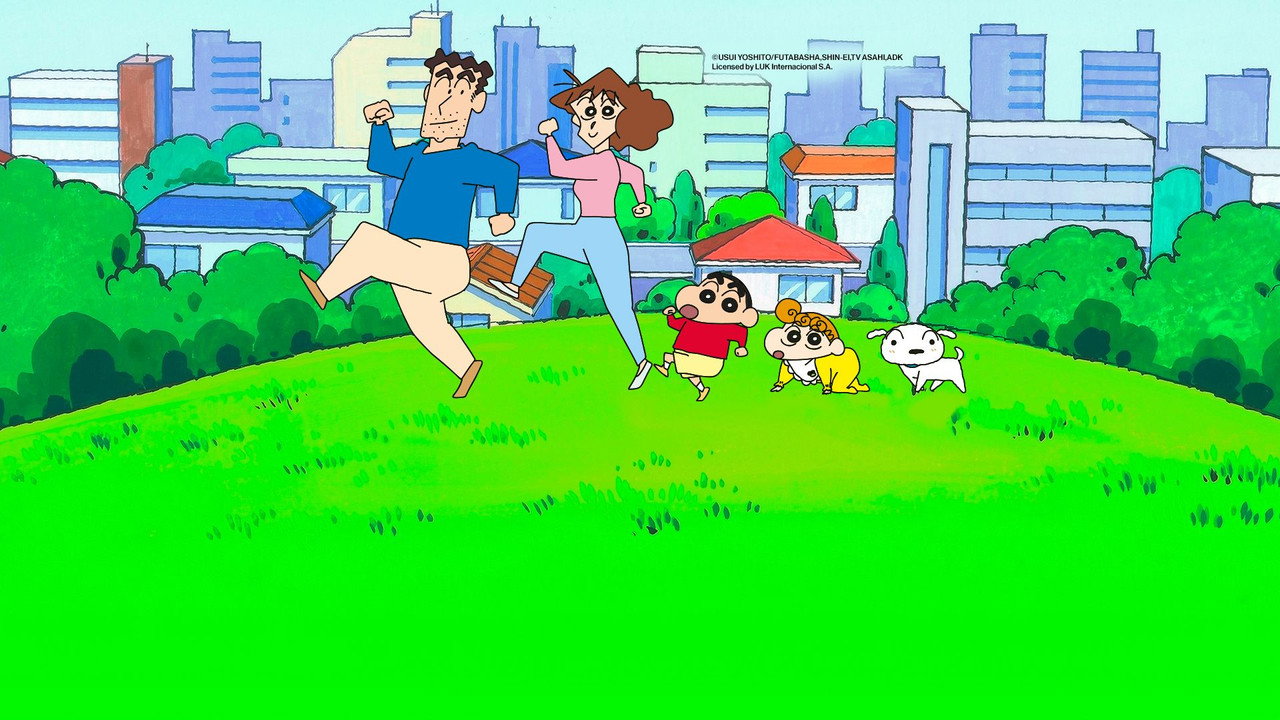
A Spoiler-Free First Look
Welcome to a relaxed recommendation for the free streaming audience. What we present here is Crayon Shin-chan first look material aimed at viewers who have not pressed play yet. The title in question is an animated comedy that originated in 1992 and still draws new fans through its silly charm. We deliberately keep our comments light, because if you want a Crayon Shin-chan spoiler free discussion, you have come to the right place. The setup revolves around a young boy who behaves like a walking disaster, and that simple hook is enough to understand the vibe. There are no complex mysteries to unravel, so newcomers can join without homework.
Before we go further, it helps to note the basic classification. The work sits under animation and comedy genres, and it is based on a manga. That source gives it a particular rhythm of jokes that repeat with warmth rather than shock. The tone is farcical, which means situations spiral into nonsense without malice. When describing the mood, the thought is Crayon Shin-chan scary feels completely misplaced, since nothing in the premise suggests frights. Instead, the show invites an admiring, amused, and appreciative response from the audience. This article will not walk through specific events, only the general frame that makes the series easy to approach.
Our goal is to help you decide in a few minutes whether this pick deserves a spot on your watchlist. The free streaming format means you can sample an episode without commitment, and our summary respects that low-pressure entry. The character at the center is a five-year-old who creates chaos wherever he goes, and that description alone tells you most of what you need. We avoid any breakdown of individual stories so that the discovery remains yours.
The Premise
The story follows Shin-chan, introduced as the boy next door and a constant source of chaos. He carries the body of a child but displays the mind of an adult, a mismatch that fuels every mishap. At five years old, he likes to do things his way, and that stubborn optimism creates more havoc than any ordinary toddler might manage. He is carefree, easily excited about everything, and forever optimistic even when plans collapse. This is not a narrative driven by villains or high stakes; it is a slice of life where the small disasters are the whole point.
Because the series is based on manga, the adaptation keeps the same core: a kid who misunderstands the world while somehow seeming wiser than the adults. The main voice cast includes Akiko Yajima, Miki Narahashi, Keiji Fujiwara, Satomi Korogi, Mari Mashiba, Chie Sato, Rokuro Naya, and Michie Tomizawa. Their performances bring out the farcical energy. If you enjoy classic animation, you may also want to browse Sally the Witch on our streaming catalog, as it represents another vintage anime option from earlier decades.
The premise does not require prior knowledge of Japanese comedy or the source pages. The humor translates through physical gags and the ironic gap between the child's appearance and his internal commentary. Shin-chan gets excited about everything, from a new snack to a mundane errand, and that enthusiasm is contagious. The show respects the intelligence of its audience by letting the adult-minded jokes land without explanation, yet it never becomes cynical.
Tone, Style and Pace
The pacing favors quick turns from calm to chaos. As a farcical anime, it does not linger on consequences; the next gag arrives before the previous one settles. Viewers report feeling amused and appreciative of the simple loop. The animation style matches the comedic intent, keeping shapes round and expressions broad. When describing the mood, the thought is Crayon Shin-chan scary feels completely misplaced, because the humor never turns dark. Instead, the show stays bright and buoyant throughout.
This lightness means the runtime respects your attention. Although exact episode length is not listed, the format is built for easy viewing. Themes of admiring and being amused appear naturally as Shin-chan blunders through routines. Those who prefer slower character studies might instead consider Maison Ikkoku, which offers a different pace, but for a quick laugh this title delivers. The style is consistent: each segment opens with ordinary life and ends with a gentle mess.
The appreciative fan response stems from this reliability. You can turn on an episode after a tiring day and know exactly what emotional register to expect. The farcical elements never punish the characters harshly, which keeps the mood light. That is a key reason the series has endured since its 1992 debut, offering a stable comedic heartbeat.
Should You Start It?
New streamers often ask whether the content suits a household. This section acts as Crayon Shin-chan parents guide advice for cautious viewers who value tame humor. The chaos is comedic, not disturbing, and the rating of 7.7 out of 10 from 118 votes suggests a generally positive reception. Because the lead is a small child with an adult mindset, some jokes rely on that contrast, but they remain within a family-friendly comedy frame. If you need a gentle show to put on without stress, this fits.
On the other hand, if you demand tight plotting, the free-form structure may test your patience. The show respects your time by never overstaying a single scenario, yet it repeats its formula by design. For a more modern laugh, Teasing Master Takagi-san offers a different kind of playful tension that some may prefer. Still, the core appeal here is the carefree optimism of its hero, which can refresh a jaded watchlist.
We recommend starting with an open mind and a short session. The absence of a listed director does not hinder the uniform feel, and the voice cast carries the nonsense with skill. If you laugh at the first minute of premise setup, you will likely stay for the whole run. The show does not ask for deep analysis, only a willingness to smile at a kid who does things his way.
Crayon Shin-chan: The Bottom Line
The show we discuss is Crayon Shin-chan 1992 film based on a popular manga, and it earns its keep as a comfort watch. With a 7.7 rating, it sits comfortably above average for casual animation. The absence of a listed director does not weaken the recognizable style that fans celebrate. Its strengths are the farcical scenarios, the amused tone, and the appreciative fanbase that keeps it alive on streaming platforms.
Ultimately, the experience is about sharing a smile with a five-year-old who does things his way. There is no need to fear hidden scares, and there is no requirement to study lore. The title is a walking disaster in the best sense, creating chaos that clears the mind after a long day. For viewers who treasure light animation, this remains a smart pick on a free service.
We value titles that respect the clock, and this one fills short gaps with harmless fun. The rating of 7.7 from 118 votes shows a consistent liking rather than split opinion. It may not be ambitious cinema, but as a based-on-manga comedy it achieves its modest goals with polish.
Crayon Shin-chan Overview
To sum up the essentials: the series is an animation comedy from 1992, adapted from manga, with a cast led by Akiko Yajima and others listed earlier. Its themes include being admiring, amused, appreciative, and farcical. The plot centers on a five-year-old who mixes a child's body with an adult's mind, generating havoc wherever he goes. He remains carefree, optimistic, and excited about everything.
For quick reference, here is the main cast:
- Akiko Yajima
- Miki Narahashi
- Keiji Fujiwara
- Satomi Korogi
- Mari Mashiba
- Chie Sato
- Rokuro Naya
- Michie Tomizawa
The rating stands at 7.7/10 across 118 votes, confirming a solid fan approval. Whether you approach it as a curious newcomer or a nostalgic returnee, the show delivers exactly what its premise promises. It is a bright, silly, and undemanding companion for an evening on the couch.
Our spoiler-light approach means you can explore further on your own terms. The free streaming blog aims to highlight titles that reward a quick try, and this animated comedy fits that mold. With its farcical energy and appreciative audience, it remains a notable entry in the 1992 animation landscape.