Chihayafuru (2011): From Sister's Shadow to Karuta Dreams
A spoiler-free first look at Chihayafuru (2011), an animated drama about a girl striving to become Japan's best karuta player while longing for lost friends.
October 24, 2026
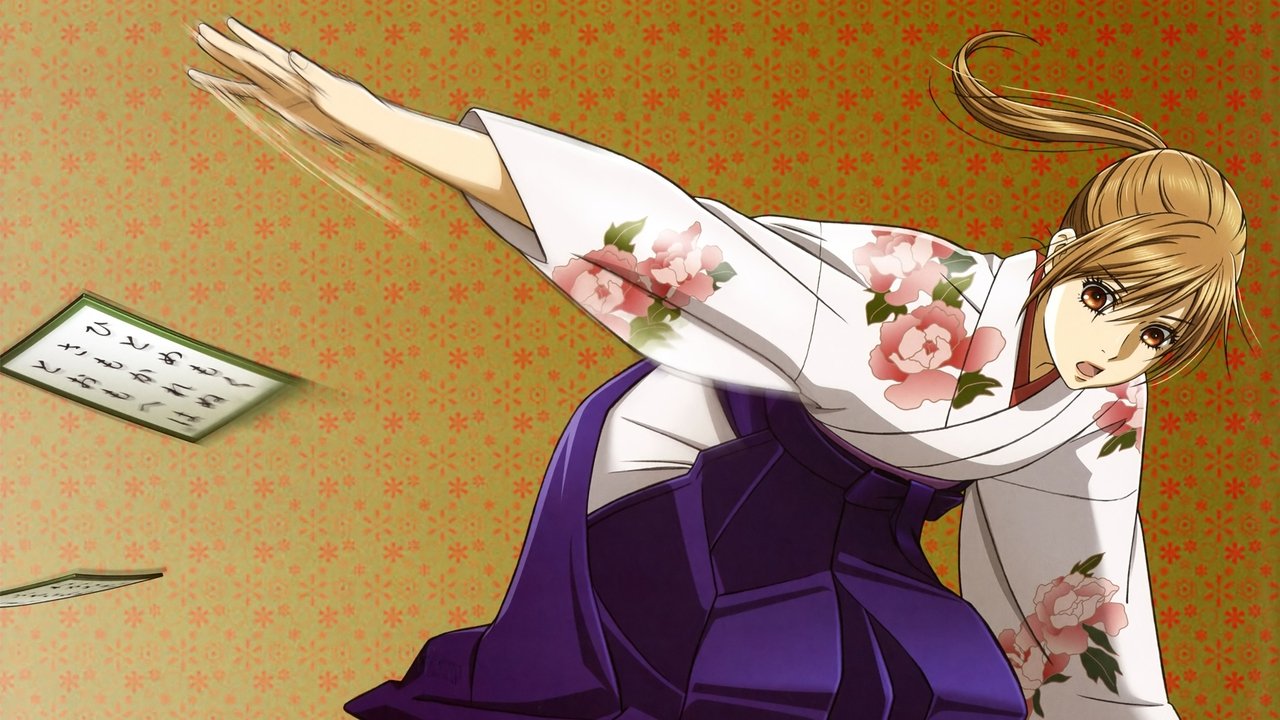
A Spoiler-Free First Look
Welcome to our streaming blog's introduction to a 2011 animated drama that has quietly earned a solid reputation among dedicated viewers. With this Chihayafuru first look, new streamers can gauge the vibe before investing their evening. The show carries a rating of 7.6 from a small pool of sixty-nine votes, which suggests a cherished niche favorite rather than a mainstream blockbuster. Our approach remains Chihayafuru spoiler free, letting you meet the characters on your own terms without any revealed turns.
Before we go further, some families might wonder about tone. When parents browse, they ask, is Chihayafuru scary, and we can reassure them that the atmosphere stays gentle throughout. The story follows a teenage girl and her friends, so the stakes are emotional rather than frightening. A short Chihayafuru parents guide detail notes that the series avoids graphic violence and keeps its focus on personal growth and school life.
If you enjoy character-driven stories, the Chihayafuru karuta anime series draws from a manga about a card game. The central activity is competitive karuta, a Japanese pastime built on speed and memory. Our article acts as a helpful pointer for anyone curious about the blend of sport and coming-of-age themes that define the early episodes.
The Premise
Chihaya Ayase begins the narrative as a girl who has spent much of her childhood supporting her sister's modeling ambitions. That dynamic shifts when she encounters Arata Wataya, a boy who recognizes a natural talent in her for karuta. He plants the idea that she could become one of Japan's finest players. This moment sparks a dream that defines her adolescence and pushes her away from a passive background role.
Separation becomes a core engine of the plot. Chihaya is soon pulled away from the friends who shared her early enthusiasm for the card game. By the time she reaches high school, she continues to play alone, holding onto hope that the group will reunite. The premise is simple yet effective: a young woman chases excellence while longing for lost companions, and the card table becomes her anchor.
The series stands as a strong woman story, with a female protagonist who trains diligently. Themes of competition and training interweave with high school life and the slower rhythms of slice-of-life storytelling. Romance and unrequited love add gentle complications, but they never overshadow the central pursuit of mastery. Growing up is shown through small victories rather than grand speeches.
Fans of other coming-of-age animations might appreciate similar titles. For example, Suzuka explores youthful ambition in a different sport, and it makes a fine companion watch for those who like quiet determination.
Tone, Style and Pace
The visual style matches a traditional animated drama adapted from printed pages. Soft character designs and school settings ground the viewer in everyday Japan. Pace is measured; the show respects your time by letting relationships breathe rather than rushing from twist to twist. Background music stays understated, allowing the sound of cards to carry tension.
Because the source is a manga, the adaptation preserves a literary feel. Viewers will notice the rhythm of training montages balanced with quiet reflection. The voice cast includes Asami Seto, Mamoru Miyano, and Yoshimasa Hosoya, whose performances lend warmth to the ensemble and make the high school halls feel lived-in.
While some card-game stories turn frantic, this one keeps tension internal. The competition is real, but the camera often lingers on a player's nervous breath or a remembered promise. That restraint is part of why the show feels respectful to an adult audience seeking substance over spectacle.
If you like layered emotional tales, White Album 2 offers another dramatic meditation on youth and affection that pairs well after a few episodes of this calmer title.
Should You Start It?
Deciding whether to press play depends on your mood. If you want explosive action, this may not fit. But if you value character growth and a clean premise, the answer is yes. The runtime per episode is typical for television animation, and the early chapters establish the world without demanding prior knowledge of the card game.
We recommend it for viewers who enjoy stories about practice and patience. The female lead's determination provides a refreshing alternative to passive archetypes. Parents can feel safe knowing the material is appropriate for teenagers and up, with no disturbing imagery or harsh language.
Those who appreciate basketball or baseball anime might find the card-table battles surprisingly absorbing. The show proves that a quiet sport can carry the weight of a saga. If you often abandon series midway, this one rewards steady viewing because the payoff is emotional rather than episodic.
How Good Is Chihayafuru, Really?
Objectively, the 7.6 score from sixty-nine voters indicates a beloved title rather than a flawless classic. Subjectively, the writing earns praise for emotional honesty. The balance of competition, card game strategy, and growing up feels coherent from the first meeting to the high school reunion hope.
Some might argue the separation arc drags, yet that slowdown serves the theme of longing. The unrequited love threads are handled with decorum. Overall, the production respects the source manga and the intelligence of its audience, never mocking the passion for an unusual sport.
For a change of pace, Ahiru no Sora delivers basketball intensity, showing how another anime treats the school-sports formula with equal care but a louder energy.
Chihayafuru Scorecard
We rate the premise strong, the tone calm, and the payoff satisfying for patient viewers. The blend of high school setting and karuta competition creates a niche that feels original. Below is a quick tally of the show's strengths:
- Story: 8/10 - clear driving goal, mild separation sorrow
- Characters: 8/10 - Chihaya's drive anchors a relatable cast
- Tone: 7/10 - gentle, occasionally slow but never dull
- Source faithfulness: 9/10 - based on manga, keeps its spirit
- Time respect: 9/10 - no filler, each scene builds bond
The Chihayafuru parents guide details show that the anime stays gentle. In summary, this is a worthy stream for anyone seeking a character-first animation with a competitive heart and a respectful pace.