Chicago P.D. (2014): Inside District 21's Two Police Units
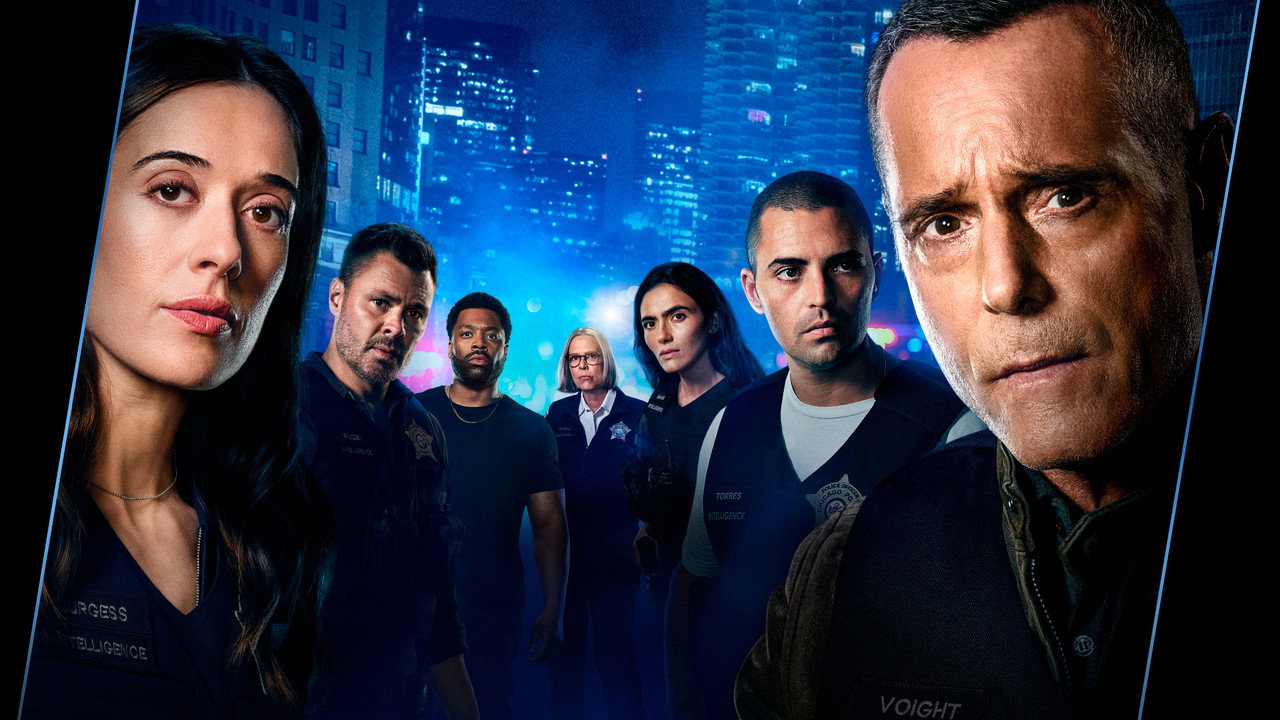
Chicago P.D. (2014) follows District 21 cops and Intelligence agents protecting Chicago from major crime.
October 18, 2026
Where You Can Watch It
If you have been wondering Criminal Minds: Beyond Borders is one of several crime titles on our platform, and right alongside it you can find this Chicago-based police drama. The simplest answer to where to watch Chicago P.D. is through our free streaming library, which keeps the full series available without a paid subscription.
For those asking how to watch Chicago P.D., the process is straightforward: open the title page, pick your episode, and press play. There is no account wall blocking the first screen, and the player supports both desktop and mobile browsers.
We also cover Chicago P.D. streaming through a stable embed that avoids the constant redirect chains you see on shadier sites. If you are searching where to stream Chicago P.D., our index lists it under Crime and Drama so you can jump straight in.
Best of all, you can watch Chicago P.D. free online with the same quality as our other flagship shows. Just keep your connection steady and you will not hit buffering mid-scene.
How to Get the Most Out of It
This is a serial crime drama, so the best setup is a quiet evening and a larger screen if you have one. The Intelligence Unit cases often weave across multiple episodes, and small details in early scenes pay off later.
If you enjoy department-driven stories, The Rookie: Feds makes a good companion watch after a few Chicago P.D. arcs, since both lean on unit chemistry and street-level investigation.
Headphones help too. District 21 scenes rely on ambient city sound and tense interrogation rooms, and the mix is easier to appreciate without background noise. Treat the first couple of episodes as setup rather than standalone pilots.
Runtime, Pacing and Tone
The show runs as a standard broadcast-hour drama, which means each installment carries the weight of a compact crime story without dragging. Pacing stays brisk: street patrols and Intelligence work cut between each other so the viewer always has movement.
Tone is serious but grounded. The tagline "Welcome home" reflects the family-like bond inside District 21, yet the cases themselves deal with organized crime, drug trafficking, and major murders. Expect a steady climb in intensity rather than shock-led twists.
Because the format is episodic with running character threads, you can watch one case in a single sitting or binge several. The rhythm suits both weekend marathons and weekday breaks.
Who This Is For
This series fits viewers who like procedural crime with a continuing cast. If you enjoy seeing uniformed officers and a dedicated investigative unit share the same world, it delivers exactly that split perspective.
It also works for fans of Chicago-set stories and spin-off television universes. The city itself acts almost like a character, from street corners to interrogation rooms.
Viewers who prefer light comedy or closed mystery boxes may find the tone heavy. But anyone comfortable with crime investigation drama will feel at home with the District 21 team.
Chicago P.D.: Our Final Verdict
Chicago P.D. earns its 8.4 community rating by balancing case-of-the-week crime with longer character arcs. The cast led by Jason Beghe, Marina Squerciati, and Amy Morton gives the precinct a believable core, and the supporting officers fill out a living district.
For a free platform, having the full run accessible without paywalls is the real win. You get a long-form crime drama with consistent quality and no barrier to entry.
If you liked the street-level realism here, New York Undercover offers a different city but a similar beat-cop spirit worth your time.
Chicago P.D. Explained
At its core, the show follows the men and women of the Chicago Police Department's District 21 as they serve and protect their community. The district is built from two groups: uniformed cops handling street crime, and the Intelligence Unit facing organized crime, drug trafficking, and high-profile murders.
The spin-off nature means it shares a television world with other Chicago titles, but it stands alone in focus. The Illinois setting shapes every case, and the police work stays the center of the story.
Understanding the split between patrol and Intelligence is the key to enjoying it. Once you see how those halves support each other, the format clicks and the longer arcs land with more weight.