Buffy the Vampire Slayer (1997): One Girl Against Vampires
A spoiler-free first look at Buffy the Vampire Slayer (1997) shows a chosen girl slayer fighting vampires and darkness.
October 23, 2026
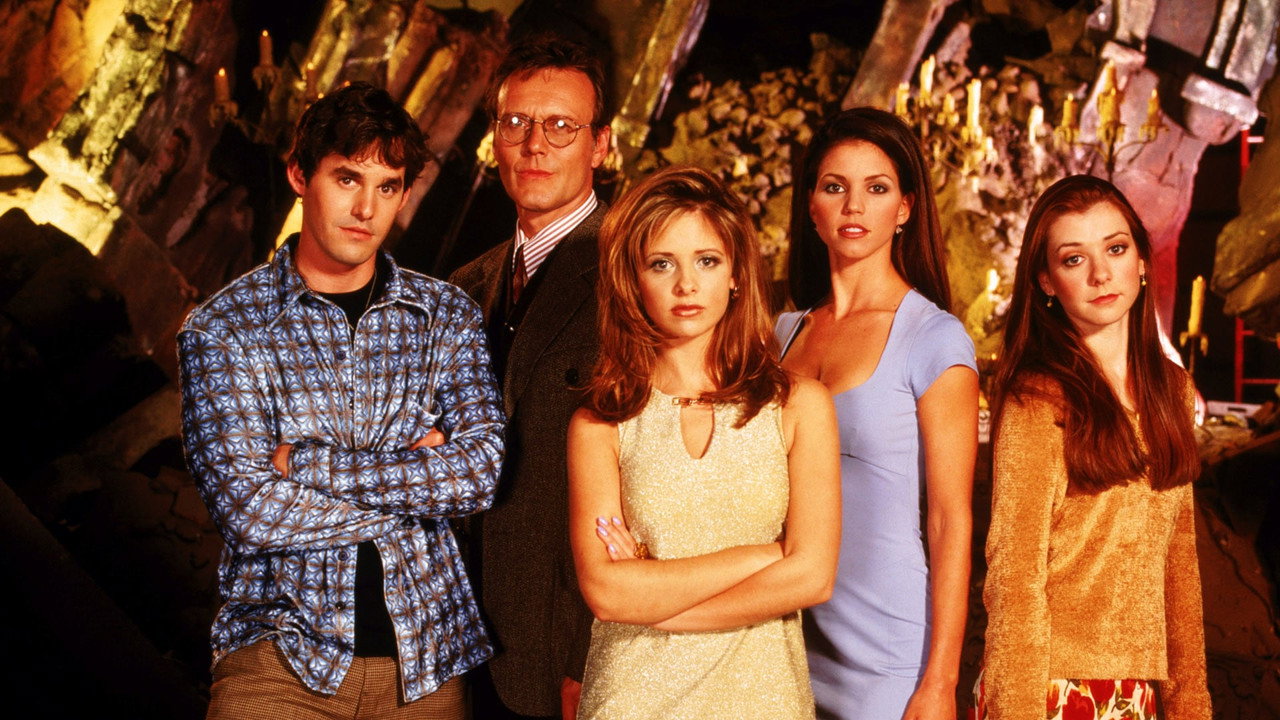
A Spoiler-Free First Look
Starting a series from 1997 can intimidate new viewers, especially one with such a long cultural shadow. This Buffy the Vampire Slayer first look gives a clear idea of what awaits without revealing twists or character fates. The show balances a teenage setting with creatures that lurk after sunset, and its tagline urges everyone to get home before dark. The blend of comedy, drama, sci-fi, and fantasy means the atmosphere shifts comfortably between light and menacing. You sense a world where homework and hidden portals share the same hallway.
We keep our discussion Buffy the Vampire Slayer spoiler free so fresh viewers meet the characters naturally. The opening premise introduces a female protagonist who learns she has a destiny beyond cafeteria talk. The female protagonist must navigate both class schedules and demon traps while hiding her role from friends. With a rating of 8.1 out of 10 from over two thousand votes, the show resonated widely. Our text hides major leaks so you can step in blind and still enjoy the emotional beats.
The Premise
The core idea is enduring: into every generation a slayer is born, one girl in all the world charged with fighting vampires, demons, and darkness. She alone wields strength to stop evil's spread. That chosen one narrative fuels every episode, grounding fantasy in a personal mission. The forces of darkness are not abstract; they appear in the local graveyard and the school basement. The mythology treats the slayer as a student carrying invisible weight, not a caped hero.
Before pressing play, families often wonder is Buffy the Vampire Slayer scary given constant monsters and apocalyptic threats. The answer depends on sensitivity, but humor interrupts dread so tone rarely stays grim. High school life and romance share screen with supernatural battles, softening fright. The mix of comedy, drama, sci-fi, and fantasy lets light banter precede night creatures. Viewers seeking pure horror may be surprised by the laugh track of teen snark that defuses tension.
Sarah Michelle Gellar leads as the slayer, joined by Nicholas Brendon, Alyson Hannigan, Emma Caulfield, Michelle Trachtenberg, and James Marsters. Their bond forms the story's backbone. Themes of magic, anti hero, and supernatural weave through, making a hybrid that refuses one box. The apocalypse is recurring pressure testing group loyalty. The cast chemistry elevates even routine monster hunts into something memorable.
Tone, Style and Pace
Episodes move briskly, mixing witty dialogue with creature effects nodding to B-movie roots. The style flips expectations: the blonde who might die first in horror becomes savior here. That subversion gives writing fresh edge decades later. School locations feel ordinary yet charged with hidden danger. Practical effects give creatures weight without modern gloss, keeping the fantasy tangible.
When discussing suitability, the term Buffy the Vampire Slayer parents guide often comes up among cautious viewers. The series blends comedy with supernatural drama, so expectations matter. While vampire battles intensify, stylized approach avoids brutal realism. Parents note the friend group faces loss and moral ambiguity, sparking useful talks with younger audiences about right and wrong.
The label Buffy the Vampire Slayer age rating can vary by region, but themes include high school and fantasy violence for teens and up. Ensemble levity makes apocalyptic stakes manageable. The high school setting grounds the magic in relatable anxiety about fitting in. Fans of powerful heroines might also enjoy Supergirl, which also centers on a young woman with extraordinary duties. Both prove female-led narratives carry spectacle and heart.
Should You Start It?
If you value character growth alongside monster plots, this show respects your time. Writing sets rules early then expands mythology without forgetting personal struggles. You never feel lost; each season builds on prior events. Comedic timing prevents heavy moments from oppressing. Each episode respects viewer intelligence by avoiding needless recap, which keeps pacing honest.
For those who like mysterious teen supernatural stories, Naomi presents similar coming-of-age vibe with comic roots. Buffy leans into horror comedy, yet both celebrate a young protagonist discovering strength. The 8.1 score suggests viewers find balance rewarding, and length allows deep investment without dragging. Both programs highlight discovery as central theme that anchors the spectacle.
Newcomers should note 1997 backdrop: fashion dates early episodes, but emotional core is timeless. The show wastes no minutes on filler ignoring central mission. School dances double as setups for conflicts. The library becomes a war room as often as a study hall. If you like supernatural serving character study, time feels well spent.
Final Verdict on Buffy the Vampire Slayer
Overall, the series earns genre landmark status. It handles magic with a wink yet treats characters with care. Female-led action, high school normality, and apocalypse threats create a template later shows borrowed. The 8.1 rating reflects consensus that the mix works. It never forgets that the smallest kindness can undo a curse.
For a lighter take on magical mishaps, Maggie delivers comedy alongside paranormal elements contrasting Buffy's tone. Both prove supernatural premises work best anchored by relatable people. If you want a show rewarding commitment, this is a strong candidate rarely passive. Contrast helps appreciate Buffy's darker shading without diminishing its humor.
The verdict is clear: start when ready for multi-season arc, and you'll understand the 8.1 votes. Tagline about getting home before dark is invitation to world where courage exceeds muscle. Few series balance monstrous and mundane with such steady hands. The invitation stands for modern streamers seeking substance with their scares.
Buffy the Vampire Slayer Explained
To put plainly, the show follows chosen one learning destiny is call to protect others. Supernatural elements mirror real teenage trials: belonging, loss, responsibility. Vampires externalize inner fears, making fantasy accessible to anyone who survived adolescence. The slayer's burden mirrors homework that multiplies at midnight, a clever metaphor for growing up.
Themes of anti hero and magic complicate good versus evil. Allies cross lines, enemies gain sympathy, keeping narrative mature despite high school setting. Framing slayer as reluctant hero avoids preachiness and invites questioning simple labels. Such nuance rewards repeated viewing as new details emerge.
In the end, series stands as celebration of courage, friendship, fight against darkness. Whether approached as comedy, drama, or fantasy, premise stays coherent and execution respectful of intelligence. Fusion of monster fights with teenage moments creates rhythm still modern, proving well-told story outlasts era. The result is a template for later genre mixes that value character as much as spectacle.