Arthur (1996): A Friendly Aardvark's Daily Adventures
A spoiler-free first look at Arthur (1996), a warm animated family comedy about an aardvark boy's daily life.
November 4, 2026
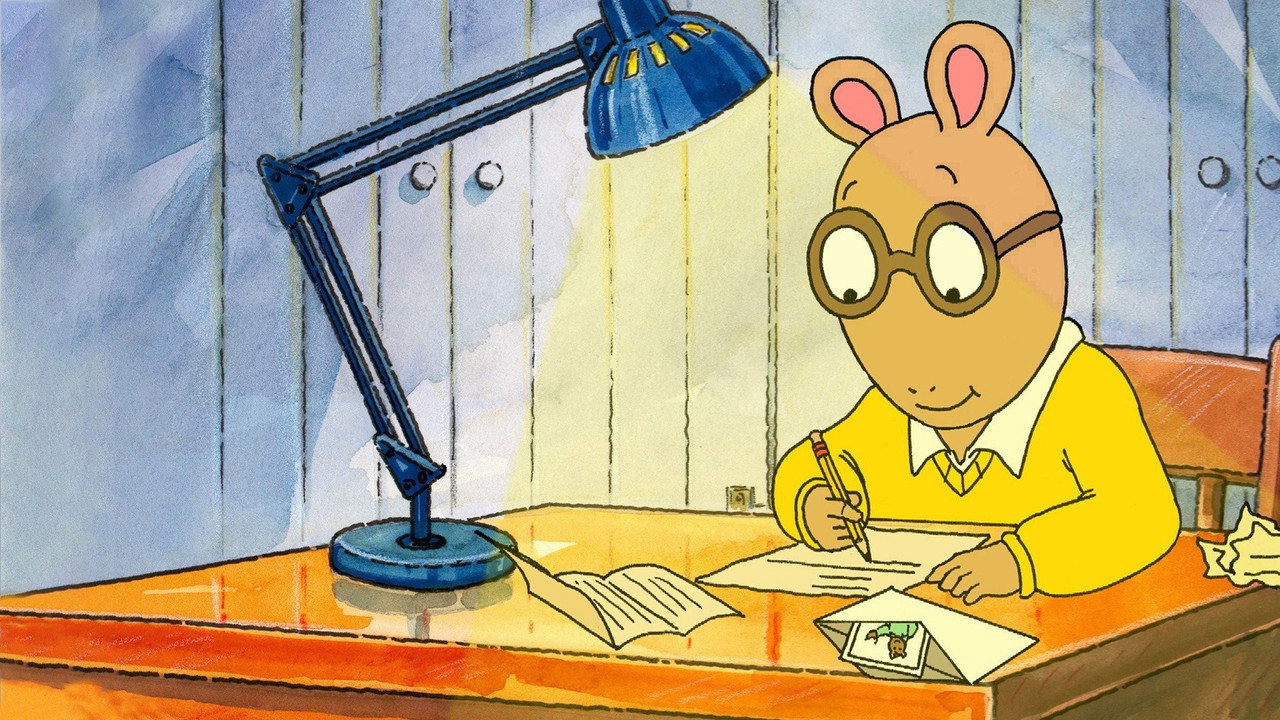
A Spoiler-Free First Look
Welcome to a calm corner of the streaming catalog where we size up titles for viewers who have not pressed play yet. This Arthur first look confirms a warm welcome for households seeking unhurried entertainment. The series carries the tagline "What a wonderful kind of day!" and that cheerful mood sets expectations early. We aim to help you decide without ruining anything, so our comments stay light and observational.
Arthur (1996) arrives under the banners of animation, comedy, kids, and family. It centers on an eight-year-old anthropomorphic aardvark named Arthur Read. The production features voices from Bruce Dinsmore, Jodie Resther, Daniel Brochu, Melissa Altro, Sonja Ball, Arthur Holden, Tracy Braunstein, and Simon Peacock. Those performers bring a relaxed conversational energy that suits the everyday stories they tell together.
Before we go further, know that the show respects your time. Episodes focus on small moments rather than sprawling arcs, making it easy to sample a single installment. The rating sits at a modest 7.0 out of 10 across 189 votes, suggesting a steady but not explosive reception. That number reflects a gentle cult familiarity more than blockbuster hype, which is fitting for a program built on quiet routines.
Our job in this section is to give you the lay of the land without charts or twists. The visual identity is soft and rounded, letting the characters carry the attention. If you are tired of high-stakes television, this is a breather. The promise of a wonderful kind of day is not irony but a stated goal for the audience.
The Premise
Our Arthur spoiler free description covers only the setup. The narrative revolves around the daily interactions of Arthur Read with his friends and family. He is a third-grade aardvark navigating elementary school and neighborhood play. The stories draw from a children's book background, as the project is based on a novel or book series aimed at young readers.
The educational frame is clear without feeling like a lecture. Life lessons emerge from playground disputes, sibling rivalry, and classroom curiosity. Because the source material is a based on children's book property, the structure favors self-contained morals. Viewers see Arthur learn patience, share, and recover from minor embarrassments that any child might face.
Friends and relatives populate the world with distinct quirks. The ensemble includes his sister, classmates, and parents who guide with soft authority. Daily interactions with each other form the backbone of every chapter. This premise is narrow by design, which helps the audience settle into a predictable rhythm that rewards repeat viewing.
What makes the setup work is its universality. An anthropomorphic aardvark may sound unusual, yet the feelings mapped are human. The elementary school environment is rendered with recognizable detail, from lunch tables to bus stops. That grounded approach keeps the based on children's book tone intact while welcoming new viewers of any age.
Tone, Style and Pace
The is Arthur scary discussion fades once you see the humor. Nothing in the styling aims to frighten. The palette is bright, the music is light, and the conflicts are resolved before tempers flare too long. For a title labeled comedy, the jokes land as gentle wordplay and situation gags rather than slapstick excess.
Animation here is functional and expressive, favoring clear character shapes over busy detail. The pace matches elementary school life: morning routines, school periods, and evening wind-downs. If you enjoy animal-led cartoons, you might also like Wild Kratts, which shares a playful approach to creature adventures, though that one leans further into action and science exploration.
Because the show is educational, moments of reflection appear without breaking the mood. The tagline "What a wonderful kind of day!" encapsulates the intended takeaway. Tone stays consistent, so parents can trust the atmosphere from episode to episode. There is a calm confidence in the storytelling that respects the intelligence of young audiences.
Style choices reinforce the gentle pace. Characters speak in flat, friendly tones, and the camera rarely rushes. The combination of comedy and family genres means the writing avoids harsh edges. Even when a lesson is presented, it is wrapped in a smile rather than a sermon.
Should You Start It?
This Arthur parents guide notes the mild themes. Content centers on friendship, schoolwork, and family meals. There is no violence, no tense mystery, and no narrative cruelty. Themes of life lessons are presented so children can absorb them independently. Grown-ups looking for a quiet background show will find it undemanding.
We recommend a trial if you want something that respects your schedule. Each segment is short on stress and long on recognition. Fans of classic humor could try The Bullwinkle Show for a retro smile, yet Arthur feels more grounded in modern family routine. The two share a commitment to cheerful pacing and non-threatening conflict.
Starting the series requires no prior knowledge. The premise is self-explanatory, and character dynamics reveal themselves through action. If your goal is to introduce a young viewer to thoughtful screen time, this is a safe harbor. The show will not waste your evening with convoluted plots.
Consider your household mood when choosing. If you need stimulation, look elsewhere; if you need wind-down, press play. The Arthur experience is about small victories and shared laughter. That makes it a strong candidate for family movie night where the youngest attendee sets the tempo.
How Good Is Arthur, Really?
The Arthur 1996 film earns a steady 7.0 rating from a small voting pool. That score signals affection rather than perfection. Critics of slower children's programming may find the chapters repetitive, but the target audience tends to value repetition as comfort. The adaptation of a based on children's book source gives it literary roots that many animated peers lack.
Quality shows in the consistency of its messages. Elementary school settings are rendered with recognizable detail, from lunchroom politics to homework delays. The voice cast listed earlier keeps the dialogue natural. While it will not top prestige charts, it fulfills its goal as educational family fare that sits comfortably in the background.
Considering the 189 votes, the community footprint is niche. Still, the tagline "What a wonderful kind of day!" persists as a small cultural marker for those who grew up with the broadcasts. The show's strength is its humility. It does not demand praise, only a few minutes of open attention from its viewers.
When weighed against similar releases, the rating feels fair. The themes of life lessons and daily interactions are executed with care. For a free streaming blog audience, the value is high because the cost is zero and the risk of disappointment is low. This entry remains a tidy one in the kids animation space.
Arthur Essentials
To recap the core facts: the title is Arthur (1996), spanning animation, comedy, kids, and family genres. Its plot summary emphasizes the lives of eight-year-old Arthur Read, an anthropomorphic aardvark, his friends and family, and their daily interactions. Key themes include based on novel or book, elementary school, based on children's book, educational, and life lessons.
For companion viewing, those who liked woodland ensembles may appreciate The Animals of Farthing Wood as a companion watch, since both center on animal communities learning survival and cooperation. That link offers another angle on gentle storytelling for families who enjoy furry protagonists.
Main cast members to note are Bruce Dinsmore, Jodie Resther, Daniel Brochu, Melissa Altro, Sonja Ball, Arthur Holden, Tracy Braunstein, and Simon Peacock. The rating stands at 7.0/10 from 189 votes. With the tagline "What a wonderful kind of day!" the series invites a low-pressure first session. Our advice: sample one episode, share it with a child, and decide if the wonderful kind of day suits your household.
We close this overview with a simple note. The show is built for return visits rather than binge marathons. Its short-form warmth aligns with the needs of busy parents and curious kids. Keep the essentials above in mind, and your first step into the neighborhood will be an easy one.