Anderson Cooper 360° (2003): Multiple Perspectives on the News
A spoiler-free overview of Anderson Cooper 360° (2003), a news talk program presenting multiple viewpoints on current events.
October 24, 2026
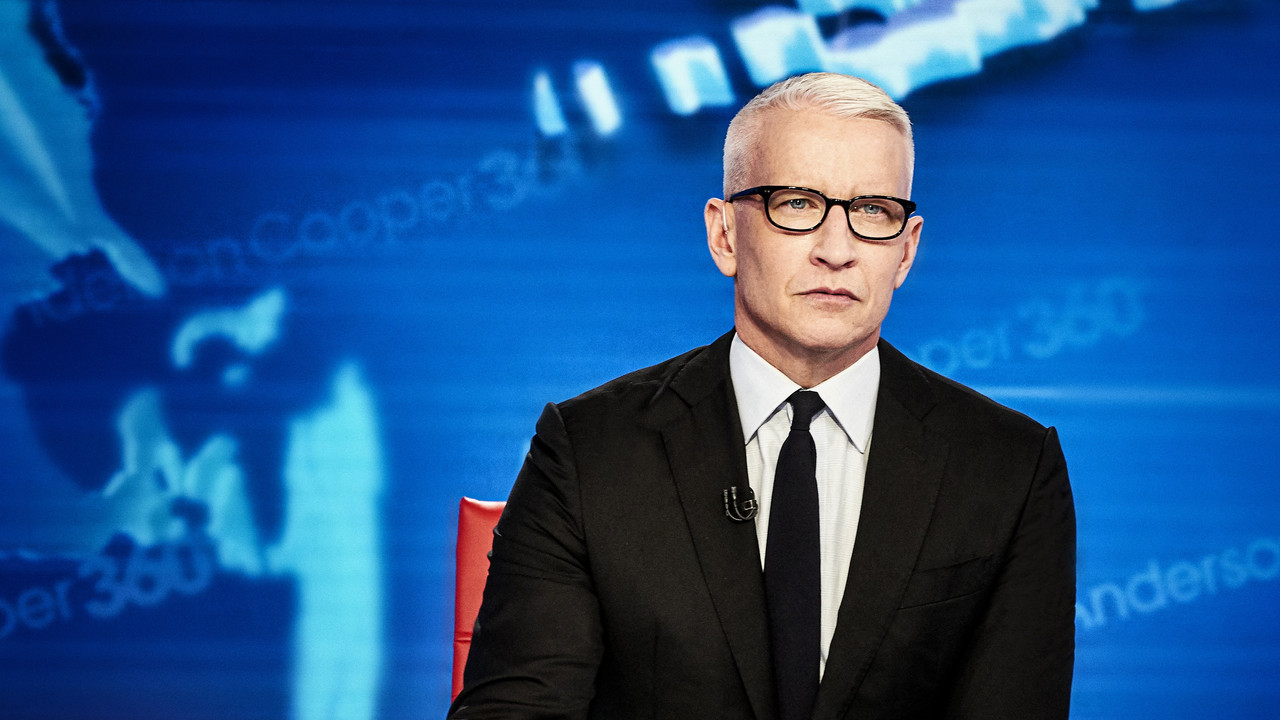
A Spoiler-Free First Look
Before diving into a new program, many streamers want to know what they are getting into without having key moments ruined. We kept this write-up Anderson Cooper 360° spoiler free so you can judge for yourself whether the series fits your evening. The broadcast premiered in 2003 and belongs to the news and talk categories, which means there is no serialized mystery to unravel. Instead, each installment stands alone as a window into current events. Our goal here is to give a calm description of the format, the host, and the overall feel. You will not find leaked twists or hidden revelations, because the show’s structure does not rely on them.
When a title carries a year like 2003, some assume it must be dated, yet the conversational style still feels familiar to modern audiences. The absence of a fixed storyline means you never have to worry about missing an earlier chapter. This flexibility is a blessing for people who browse a free streaming catalog after a long day and just want something thoughtful. We will not walk you through specific segments, because naming them would defeat the purpose of a gentle introduction.
The Premise
The core idea is straightforward: Anderson Cooper goes beyond the headlines to tell stories from many points of view, so you can make up your own mind about the news. These Anderson Cooper 360° stories reflect many viewpoints, letting the audience weigh evidence rather than receiving a single editorial line. The main cast consists of Anderson Cooper himself, serving as anchor and guide through the day’s topics. Because the program is built around conversation and reporting, there is no fictional plot to follow. A modest rating of 5.4 out of 10 from nine votes suggests it has not attracted a huge crowd, but the concept remains clear.
Unlike scripted dramas where a writer chooses who wins, this format treats the screen as a town square. You hear from people who might disagree, and the host acts as a moderator rather than a judge. That open structure can feel refreshing when most online feeds push a single narrative. The show’s title hints at a full circle of perspective, and the execution tries to honor that promise. Even with a small vote count, the intention to inform rather than entertain at any cost is evident from the premise alone.
Viewers who enjoy thoughtful news programs might also appreciate The Rachel Maddow Show, which shares a similar commitment to deep dives.
Tone, Style and Pace
Some newcomers worry about heavy or frightening content when they approach a news magazine. If you wonder is Anderson Cooper 360° scary, rest assured it focuses on journalism rather than shock. The tone is measured, the style is classic talk-show interviewing mixed with field reports, and the pace suits an adult who wants substance without frenzy. Episodes do not demand hours of commitment; you can watch a single segment and walk away informed. The camera work is functional, the lighting is soft, and the host’s voice stays even. For a free streaming night, the show respects your time by avoiding padding and repetitive panels.
The visual presentation leans on simple sets and direct address, which keeps attention on the words being spoken. There are no sudden jump cuts or aggressive sound effects to startle sensitive viewers. Music, when used, is supportive rather than manipulative. This restrained style means the program can run in the background while you cook, or command focus if you choose to sit and listen. Such calm craft is precisely why many consider the series a low-stress option in a crowded catalog.
If you prefer shorter factual specials, Crisis Aftermath offers a different angle on current events.
Should You Start It?
Deciding whether to press play depends on what you seek. This article acts as the Anderson Cooper 360° parents guide tool for hesitant viewers, noting that the content is mild and built for general audiences. Families with teens can sit together without constant filtering, though younger children may find the topics dry. The program does not waste minutes with filler, so even a busy schedule can accommodate one installment. If you like forming opinions from balanced input, you will likely appreciate the approach. Those who need fast action or comedy should look elsewhere.
A practical tip: treat the show like a daily newspaper that happens to have a face. You would not read every article in one sitting, and you need not watch every segment here. The respect for your time shows in how each topic closes cleanly before the next begins. For viewers who value autonomy, that structure is a quiet selling point. If your evening allows only twenty minutes, you can still come away with one new angle on a story you thought you knew.
Our Take on Anderson Cooper 360°
This Anderson Cooper 360° first look should help you decide whether to tune in. We find the show’s greatest strength is its refusal to manipulate; it lays out perspectives and trusts you to think. While the low vote count indicates limited mainstream traction, the premise is timeless in an era of echo chambers. The host’s demeanor is unpretentious, and the segments rarely overstay their welcome. For a free platform audience, that honesty is a welcome change from sensational clips. We would not call it essential viewing, but it is a sane companion for a quiet evening.
There is a certain humility in a program that says “make up your own mind” and then actually stops talking. Many titles claim balance but quietly steer; this one earns its claim by letting silence do work after a guest speaks. The 5.4 score may reflect a niche taste rather than a flaw in craft. After all, nine voters is a tiny pool, and a news talk format rarely tops popularity charts against flashy genres. Our suggestion is to approach without expectations of drama and you may leave with something better: clarity.
Anderson Cooper 360° Overview
To sum up the essentials: the title is Anderson Cooper 360°, released in 2003, categorized under news and talk. The director is not credited, runtime per episode is not specified, and the main presence is Anderson Cooper. The rating sits at 5.4 from nine votes, which is a small sample but an honest snapshot. The plot summary reminds us that the host goes beyond headlines to present varied viewpoints. There is no tagline to memorize and no established themes list. For streamers building a watchlist, the show pairs well with other factual content.
Below is a quick recap of the bare facts for those scanning on a phone:
- Year: 2003
- Genres: News, Talk
- Lead: Anderson Cooper
- Rating: 5.4/10 (9 votes)
- Premise: Multiple viewpoints on headlines
That concludes our gentle walkthrough. We hope this reading gave you a clear sense of the show’s calm posture without ever crossing into spoiler territory. Whether you start tonight or bookmark it for later, the choice remains yours, just as the program intends.
For something lighter after the news, Kids' Choice Awards provides an awards spectacle unrelated to hard journalism.